

New diplomatic fault lines have opened between the United States and its European allies after the U.S. president publicly shared private text messages from two major foreign leaders as part of an escalating controversy over Greenland.
The messages — purportedly sent by the presidents of France and by the head of NATO — were published on the U.S. leader’s social media account this week and have since drawn international attention. They provide rare insight into behind-the-scenes exchanges on a sensitive geopolitical issue, but their release has also sparked debate about diplomatic norms, confidentiality, and trust between heads of state.
The controversy unfolded against the backdrop of the World Economic Forum in Davos, Switzerland, where leaders from around the world are meeting to discuss security, climate, and economic cooperation. Rather than subsiding, tensions over Greenland — an Arctic territory whose status has become a flashpoint — intensified when the texts were made public.
What the Leaked Texts Say
According to screenshots posted by the U.S. president on his social media platform, the messages appear to come from French President Emmanuel Macron and NATO Secretary General Mark Rutte. Independent reporting confirms that at least the message from Macron has been acknowledged by his office as authentic.
Here are the key passages from those texts — as shared publicly:
From French President Emmanuel Macron to the U.S. President:
“My friend, we are totally in line on Syria. We can do great things on Iran. I do not understand what you are doing on Greenland.”
“Let us try to build great things:
I can set up a G7 meeting after Davos in Paris on Thursday afternoon. I can invite the Ukrainians, the Danish, the Syrians and the Russians in the margins.
Let us have a dinner together in Paris on Thursday before you go back to the U.S.”
This message shows Macron suggesting cooperation on other foreign policy issues but also expressing confusion about the U.S. position on Greenland — a topic that has increasingly strained transatlantic relations.
From NATO Secretary General Mark Rutte to the U.S. President:
“Mr. President, dear Donald — what you accomplished in Syria today is incredible. I will use my media engagements in Davos to highlight your work there, in Gaza, and in Ukraine.
I am committed to finding a way forward on Greenland. Can’t wait to see you.”
This message reflects praise for certain U.S. foreign policy actions and a diplomatic pledge to work on resolving the Greenland issue, albeit without detail about how that would happen.
The screenshots shared online came with captions identifying the senders and providing context, but responses from the U.S. president were not included in the screenshots themselves.
Identity of the U.S. Leader
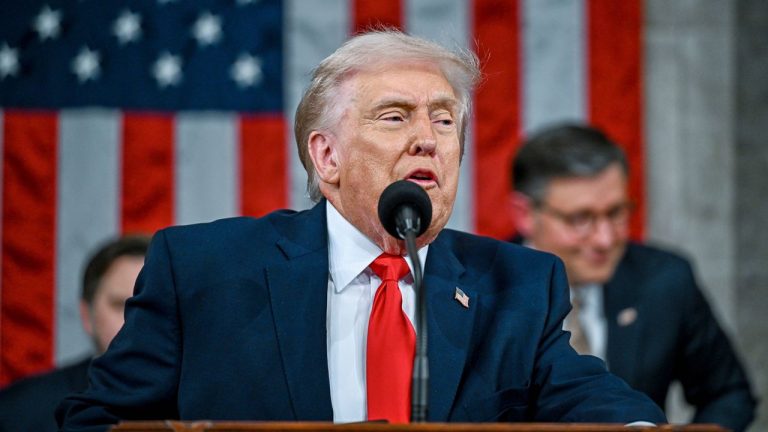
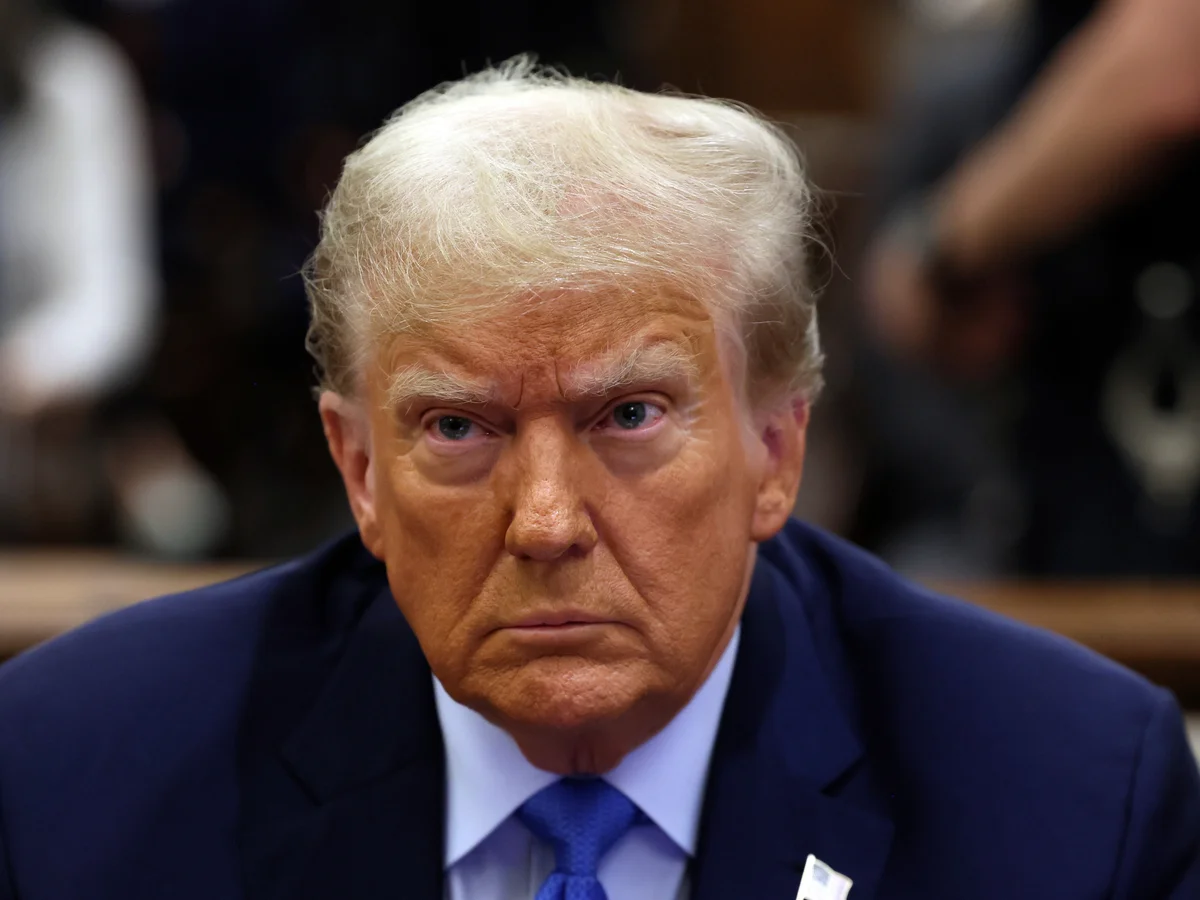
At the center of this diplomatic episode is President Donald Trump, whose actions have propelled the Greenland dispute into the global spotlight. Trump — in his second term — has repeatedly argued that Greenland’s strategic location and natural resources make it vital to American national and hemispheric security.
Trump’s effort has met sustained resistance from Denmark, Greenlandic authorities, and key NATO partners, all of whom have emphasized that Greenland’s status is not for sale and that sovereign decisions about its future rest with its people and democratic institutions.
How the Texts Became Public
World leaders’ direct messages are typically kept private, discussed in secure diplomatic channels rather than shared with the public. In this case, the U.S. president chose to publish the screenshots on his own social media platform, alongside commentary reinforcing his position on Greenland.
Diplomats and analysts describe this as highly unusual. Private communications between heads of state are generally considered sensitive, and publishing them publicly can erode trust and complicate negotiation efforts.
A senior European official, speaking on condition of anonymity, told reporters that such disclosures risk undermining the very channels that allow diplomatic problems to be resolved privately.
European Reaction
European governments have reacted with a mix of surprise and concern.
Denmark, which retains sovereignty over Greenland, has reiterated its position that the Arctic territory is part of the Danish realm and that any future arrangements must respect international law and Greenlandic autonomy.
In Paris, French officials have criticized what they view as coercive tactics. Macron’s message suggests an attempt to find common ground on other policy areas while gently pushing back on the Greenland matter.
At NATO and among other European capitals, officials are reportedly convening emergency consultations to assess how to respond to both the leaked messages and the broader dispute. Several European countries have expressed concern that sharing private communications could weaken diplomatic relations at a time when alliance unity is considered essential for confronting shared challenges like Russia’s military posture and climate change in the Arctic.
Broader Context: Greenland’s Strategic Importance
Greenland’s geopolitical significance has grown in recent years. The Arctic region is becoming more accessible due to climate change, opening new shipping routes and increasing competition over natural resources. Greenland’s location also makes it critical for defense infrastructure and early-warning systems.
Trump and his supporters argue that Greenland’s strategic value requires closer alignment with the United States to counter perceived threats from Russia and China. By contrast, European leaders emphasize that mutual cooperation through NATO and existing defense agreements provides sufficient security without ceding sovereignty.
The Debate Over Transparency and Diplomacy
Supporters of Trump’s decision to publish the texts argue that it provides transparency about where certain leaders stand on critical global issues. They contend that voters and citizens deserve to know how their leaders communicate with one another — especially on matters of national security.
Critics, however, counter that such transparency comes at a cost. Diplomats have long relied on confidentiality to build trust and negotiate sensitive compromises, and exposing private discussions publicly could make future candid dialogue more difficult.
Professor Jane Morrison, a scholar of international diplomacy at Georgetown University, noted that while modern digital communications blur lines between public and private messaging, the norms of confidentiality remain crucial for maintaining strong alliances.
“If leaders fear their off-the-record discussions will be broadcast, they may retreat to more rigid, less cooperative positions,” Morrison said. “That undermines the very foundation of multilateral diplomacy.”
Does Publishing These Texts Set a Precedent?
Some analysts worry this is a precedent that could be emulated in future crises, potentially lowering the threshold for publicizing private diplomatic exchanges. Others see it as an outlier tied to the unique communications style of the current U.S. administration.
European officials have privately stressed that they will continue to communicate through secure channels, even if they must adapt to an atmosphere where political leaders are more likely to leak or highlight selective aspects of international correspondence.
Trade and Diplomatic Fallout
The Greenland dispute has already spilled into other areas of international relations. The U.S. president has threatened tariffs on European goods worth billions if his demands concerning Greenland are not met — a move that European Commission leaders have called a mistake that could harm cooperation and undermine collective defense.
European stock markets reacted with volatility upon news of the leaked messages and the related tariffs, and discussions of retaliatory trade measures are ongoing. Brussels officials have indicated they may pursue tariffs on U.S. imports worth tens of billions of dollars, potentially invoking instruments that have never been used before.
U.S. Defense of the Move
The U.S. Treasury Secretary has defended the administration’s broader diplomatic approach, characterizing some of the media reaction as “hysteria” and affirming that Washington remains committed to seeking peaceful solutions where possible.
Nevertheless, the administration has made clear that it views Greenland as imperative to national and global security, and that it will not back down from its objectives. The president has repeatedly said that there is “no going back” on the goal of strengthening U.S. strategic positioning in the Arctic.
What Comes Next?
As leaders continue discussions both publicly and privately at events like the World Economic Forum and NATO meetings, the immediate focus remains on de-escalating tensions and finding common ground on defense, trade, and Arctic policy.
Whether the publication of private texts will have a long-term chilling effect on diplomatic communications remains to be seen. For now, the Greenland dispute — already controversial — has been thrust into a new dimension where the boundaries between private negotiation and public messaging are being actively tested.

Emily Johnson is a critically acclaimed essayist and novelist known for her thought-provoking works centered on feminism, women’s rights, and modern relationships. Born and raised in Portland, Oregon, Emily grew up with a deep love of books, often spending her afternoons at her local library. She went on to study literature and gender studies at UCLA, where she became deeply involved in activism and began publishing essays in campus journals. Her debut essay collection, Voices Unbound, struck a chord with readers nationwide for its fearless exploration of gender dynamics, identity, and the challenges faced by women in contemporary society. Emily later transitioned into fiction, writing novels that balance compelling storytelling with social commentary. Her protagonists are often strong, multidimensional women navigating love, ambition, and the struggles of everyday life, making her a favorite among readers who crave authentic, relatable narratives. Critics praise her ability to merge personal intimacy with universal themes. Off the page, Emily is an advocate for women in publishing, leading workshops that encourage young female writers to embrace their voices. She lives in Seattle with her partner and two rescue cats, where she continues to write, teach, and inspire a new generation of storytellers.