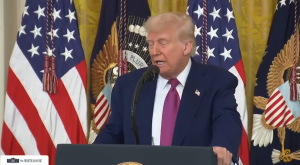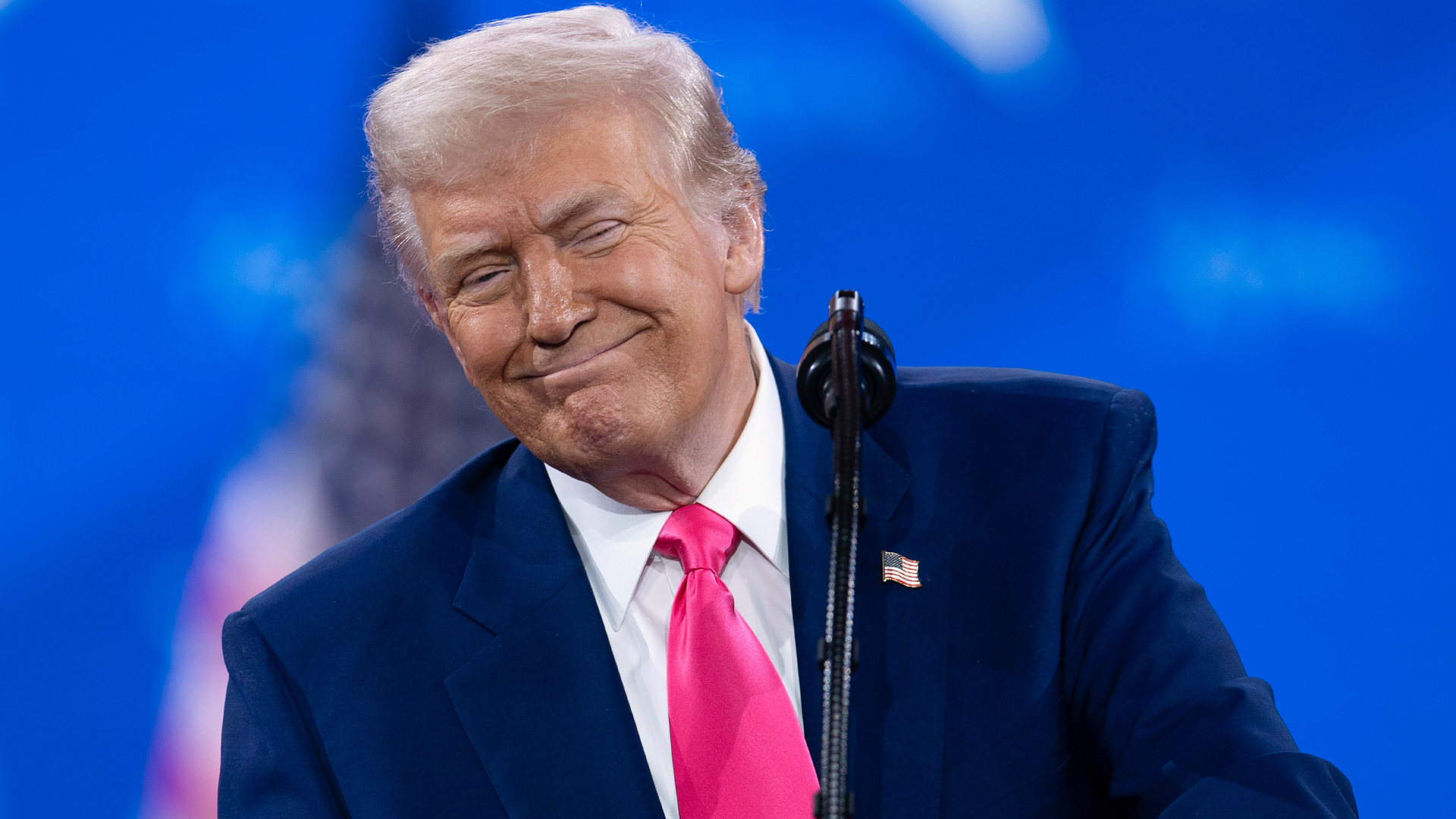
President Donald Trump addressed a large crowd in Rocky Mount, North Carolina, on Friday evening, framing his administration’s recent achievements on drug pricing and cost-of-living improvements as pivotal to Republican success in the upcoming midterm elections. Speaking to supporters, Trump highlighted agreements with major pharmaceutical companies, promising that the policies would make medicine more affordable for Americans while helping the GOP maintain political momentum.
Opening his remarks, Trump celebrated what he described as “11 incredible months,” declaring that his administration had achieved the “most successful first year of any president in the history of our country.” He immediately focused on the administration’s efforts to reduce drug costs, asserting, “Your drugs are coming down at levels that nobody ever thought was possible. This achievement alone should win us the midterms.” The president emphasized that lowering the price of medications was not just a policy priority but a central campaign message.
Earlier on Friday, the White House announced that nine of the nation’s largest pharmaceutical companies—including Amgen, Bristol Myers Squibb, Genentech, and Merck—had agreed to participate in Trump’s most-favored-nation pricing initiative. This initiative aims to align U.S. drug prices with the lower costs paid in other developed nations. With these new agreements, 14 of the 17 largest drug manufacturers are now part of the administration’s program, which Trump described as “the biggest thing to happen in medicine, I think, since the founding of our country.”
Trump has made affordability a core theme of his administration, launching a year-long nationwide tour to speak directly with Americans about the challenges of rising costs. The Rocky Mount rally was part of that effort, following his first major speech in Pennsylvania on December 9. Analysts suggest that the tour was motivated in part by Democrats’ strong performance in recent off-year elections, driven largely by voter frustration over living costs, including inflation and high healthcare expenses.
During his speech, Trump highlighted recent economic indicators to underscore the success of his policies. He pointed to the nation’s lowest core inflation rate since March 2021, with November’s annual inflation rate cooling to 2.7 percent from 3 percent in September, according to the Bureau of Labor Statistics. The figure came in below economists’ expectations of 3 percent, which Trump used as evidence that his administration was effectively managing the economy.
“You talk about affordability. You know, the Democrats—they’re the ones that got us into the mess. They’re the ones that caused the high prices,” Trump said, directly blaming the previous administration for rising costs. Under President Joe Biden, critics argued that pandemic relief measures, stimulus spending, and supply chain disruptions contributed to inflation, leaving many Americans facing higher prices on everyday goods. Trump repeatedly highlighted these contrasts, asserting that his policies were lowering costs for families across the country.
Gasoline prices were a key talking point during the rally. Trump boasted, “Gasoline is now substantially lower than $2.50 a gallon, and many, many places now are under $2 a gallon. We’re delivering lower prices and bigger paychecks.” He also pledged to address rising electricity costs, announcing plans to open 1,600 new electrical generating plants over the next 12 months, which he said would lead to “very dramatic” reductions in electricity prices.
The president also reinforced his broader policy agenda, touching on issues that resonate with his base. He highlighted efforts on border protection, banning transgender athletes from women’s sports, and negotiating new trade deals. Trump emphasized the impact of tariffs implemented earlier this year, which he said would protect North Carolina’s furniture industry, an industry he claimed had been “decimated” by imports from China. “You lost the business. It went to China and other places. It’s all coming back,” he said, framing his trade policies as a return of manufacturing jobs to the state.
North Carolina holds particular significance for Trump. It is the only battleground state he has won in all three presidential elections, making it a symbolic and strategic focus of his campaign efforts. Rally attendees were reminded of the state’s importance to the Republican Party’s electoral strategy and the president’s emphasis on policies benefiting local industries.
In addition to economic and policy issues, Trump paid tribute to Nascar legend Greg Biffle, who, along with his family and three others, died in a recent plane crash at Statesville Regional Airport in North Carolina. “What a tragedy,” Trump said. “North Carolina will never forget them.” The moment underscored the president’s attempt to connect with local communities and acknowledge significant regional events during his public appearances.
Trump’s comments on drug pricing framed the policy as a major political and economic victory. He stressed that lowering costs was both a practical improvement for Americans and a strategic advantage for Republicans in the midterm elections. By emphasizing tangible results in healthcare affordability, Trump sought to appeal to voters frustrated with prescription drug costs and position himself and the GOP as champions of economic relief.
The president also tied his drug pricing achievements to broader fiscal policies, noting progress on wage growth and consumer protections. “We’re delivering lower prices and bigger paychecks,” he said, linking energy, gasoline, and pharmaceutical cost reductions to overall improvements in Americans’ standard of living. These messages reflect an effort to reinforce the administration’s narrative of economic competence and responsiveness to voter concerns.
Trump’s push for most-favored-nation pricing on drugs aligns with a wider agenda of increasing transparency and reducing healthcare costs. Under the initiative, pharmaceutical companies agree to cap U.S. prices for certain medications based on international benchmarks. By securing commitments from the majority of top drug manufacturers, the administration claims to have set a precedent for controlling pharmaceutical pricing, which has historically been a contentious and politically charged issue.
Beyond healthcare, Trump’s focus on energy infrastructure, trade, and manufacturing signals a multifaceted strategy to appeal to both suburban and rural voters. By emphasizing concrete economic improvements, such as lower gas and electricity costs, the administration aims to provide voters with visible, measurable benefits that can influence the midterm elections.
In conclusion, the Rocky Mount rally highlighted Trump’s strategy of linking policy achievements to electoral prospects. By emphasizing lowered drug prices, improved affordability, and protective trade measures, the president positioned the GOP as the party of economic relief. Coupled with targeted messaging on culturally and politically salient issues, the speech reflected a comprehensive effort to energize the Republican base while appealing to swing voters concerned about rising costs and economic security.
As the midterm elections approach, Trump’s focus on tangible policy wins and economic indicators will likely remain a central feature of his campaign messaging, reinforcing the narrative that his administration is delivering real results for Americans and setting the stage for potential Republican gains across key battleground states.

Emily Johnson is a critically acclaimed essayist and novelist known for her thought-provoking works centered on feminism, women’s rights, and modern relationships. Born and raised in Portland, Oregon, Emily grew up with a deep love of books, often spending her afternoons at her local library. She went on to study literature and gender studies at UCLA, where she became deeply involved in activism and began publishing essays in campus journals. Her debut essay collection, Voices Unbound, struck a chord with readers nationwide for its fearless exploration of gender dynamics, identity, and the challenges faced by women in contemporary society. Emily later transitioned into fiction, writing novels that balance compelling storytelling with social commentary. Her protagonists are often strong, multidimensional women navigating love, ambition, and the struggles of everyday life, making her a favorite among readers who crave authentic, relatable narratives. Critics praise her ability to merge personal intimacy with universal themes. Off the page, Emily is an advocate for women in publishing, leading workshops that encourage young female writers to embrace their voices. She lives in Seattle with her partner and two rescue cats, where she continues to write, teach, and inspire a new generation of storytellers.