Former CNN host Don Lemon, 59, has become the center of controversy following his arrest in Los Angeles in connection with a protest that took place at a church in St. Paul, Minnesota, earlier this year. Lemon and another independent journalist, Georgia Fort, were indicted on federal civil rights charges for allegedly interfering with religious freedom and depriving congregants of their rights during the protest. The indictment comes after the protest on January 18 targeted Pastor David Easterwood, who reportedly also works as an Immigration and Customs Enforcement (ICE) agent. Both journalists maintain that they were present in their professional capacity to report on the event rather than to participate in the demonstration itself.
The incident has quickly gained national attention, partly due to Lemon’s high-profile media career. Lemon worked at CNN from 2006 until 2023, hosting primetime programs such as The Eleventh Hour and The Don Lemon Show. During his tenure at CNN, Lemon became known for his outspoken style, covering both political and social issues extensively. Following his departure from CNN three years before his contract was set to expire, Lemon began producing content independently on YouTube, where his channel has amassed over a million subscribers. The arrest and subsequent indictment have drawn scrutiny from both media commentators and the public, raising questions about the boundaries between reporting on protests and being perceived as a participant.
The legal charges against Lemon stem from allegations that he participated in actions that disrupted a religious service and interfered with the congregation’s ability to practice freely. The Department of Justice asserts that these actions violated civil rights laws, although Lemon has denied wrongdoing, emphasizing his role as a journalist covering the event. He was released without bond after his initial court hearings and has publicly expressed his commitment to continue reporting despite the legal proceedings. In a statement to reporters, Lemon said, “I have spent my entire career covering the news. I will not stop now. There is no more important time than right now for a free and independent media that shines a light on the truth and holds those in power accountable. I look forward to my day in court.”
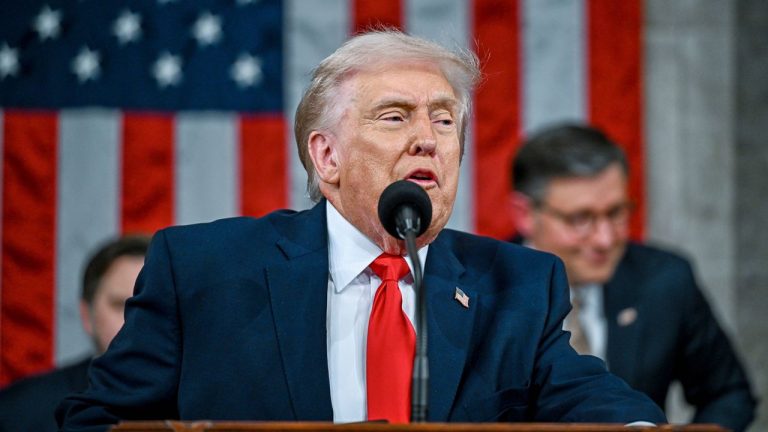
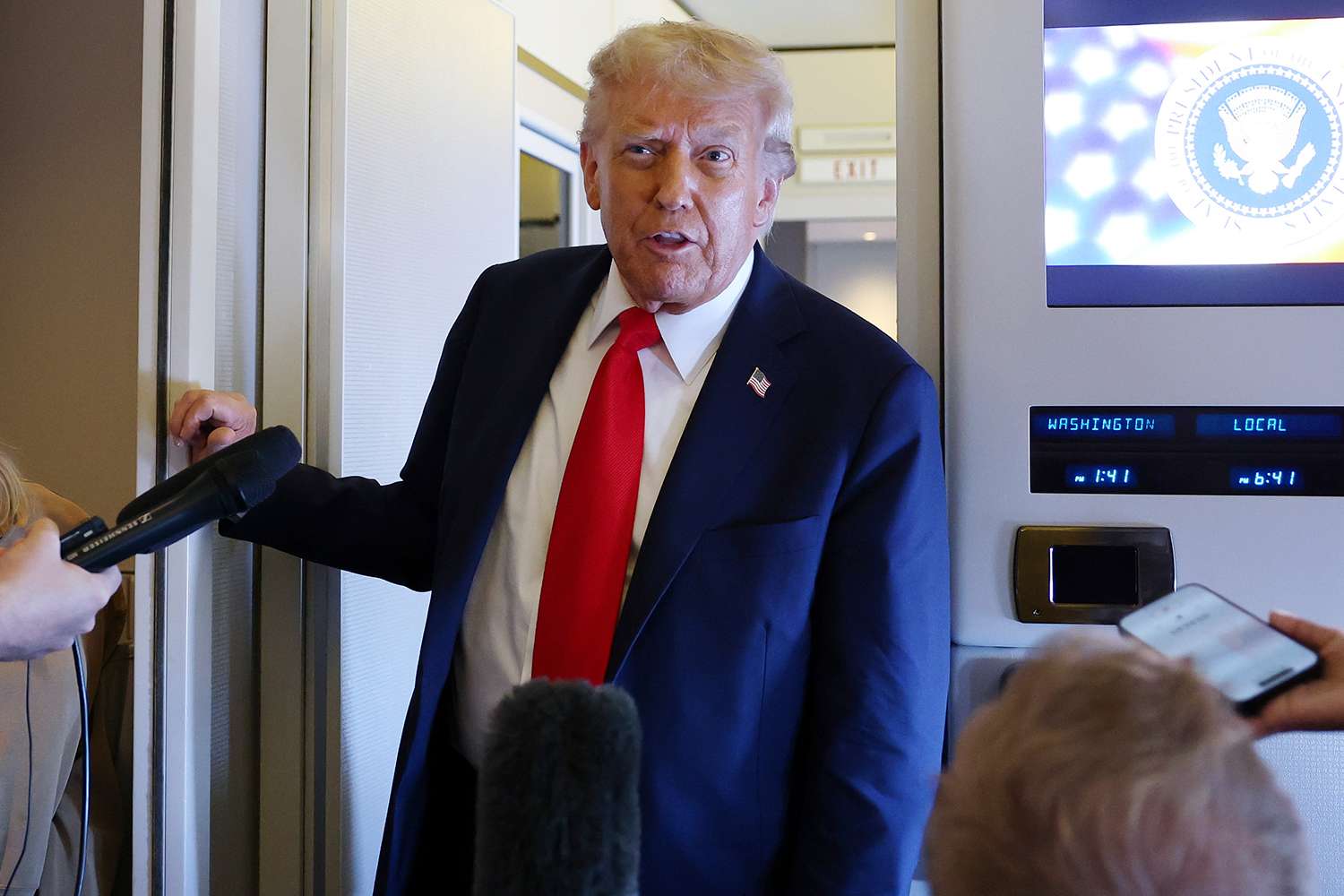
The arrest quickly became a topic of discussion in political circles, including during remarks by President Donald Trump. Reporters on board Air Force One asked Trump about the situation, prompting a sharp response. The president described Lemon as a “sleazebag” and a “washup,” characterizing him as a failed host with declining viewership. Trump suggested that the arrest might be “the best thing” to happen to Lemon from a personal standpoint, emphasizing that he had no direct knowledge of the incident. These remarks were made during a brief exchange with reporters, and the president reiterated his criticism of Lemon’s media career, calling him “a failed host” who had lost influence and audience relevance.
The remarks from Trump were subsequently highlighted in media coverage and on social media, sparking a wave of responses. CNN aired portions of the president’s comments on CNN This Morning, where host Victor Blackwell pushed back on the characterization of Lemon’s influence, noting that he maintains a substantial audience on YouTube and other digital platforms. Panelist Nicole Carr, a journalist and academic, also questioned the president’s claim that he was unaware of Lemon’s arrest, citing a White House social media post on X (formerly Twitter) that had referenced the incident and included a meme playing on Lemon’s name with prison imagery.
The White House X post, published the same day Lemon was indicted, featured a caption reading “When life gives you lemons…” accompanied by a chain emoji, suggesting incarceration. This social media activity fueled debate over whether the president’s comments were consistent with internal awareness of the arrest. Observers noted that while the president publicly denied knowledge of the event, the official account’s posting indicated a degree of awareness within the administration.
Reactions to Trump’s remarks have been mixed. On social media, some users described the comments as a “classic no-filter Trump roast,” while others highlighted the apparent inconsistency between his stated lack of knowledge and the White House’s prior online posts. Some commentators also used the opportunity to draw comparisons between Lemon and allegations against the president himself, citing recently released files related to Jeffrey Epstein. The discussion reflects broader political and cultural divisions in the United States over media coverage, accountability, and the boundaries between activism and journalism.
Lemon’s legal case is ongoing, and the courts will determine whether his actions at the protest violated federal civil rights laws. Legal experts note that cases involving journalists at demonstrations can be complex, as courts must balance the protections afforded to press freedom with the rights of individuals to practice religion without interference. Lemon’s defense emphasizes his role as a reporter documenting the event, while prosecutors argue that the presence and actions of attendees, including journalists, may have contributed to disruptions that violated civil rights statutes.
The case has raised questions about the responsibilities and risks faced by journalists covering contentious events, particularly protests involving sensitive political or social issues. Observers note that journalists may be at risk of legal scrutiny if their reporting activities are perceived as supporting or facilitating unlawful behavior, even unintentionally. Lemon’s situation illustrates the ongoing tension between press freedom, public accountability, and the enforcement of laws protecting civil and religious rights.
In addition to Lemon’s career and the legal aspects of the case, the broader context involves public debate over protests and federal authority. The St. Paul protest targeted a pastor with connections to ICE, highlighting national discussions on immigration enforcement, civil liberties, and the role of faith communities. The convergence of these issues—journalism, civil rights, protests, and politics—has made the case a focal point for national commentary and media attention.
Despite the controversy, Lemon has reaffirmed his commitment to independent journalism. He continues to produce content on digital platforms, asserting the importance of reporting on events that impact the public and holding those in power accountable. The coming legal proceedings will determine whether his actions at the St. Paul protest crossed legal boundaries or remain protected under the principles of press freedom. Meanwhile, reactions from political figures, social media users, and news organizations continue to shape the public conversation around the arrest, the role of journalists at demonstrations, and the interaction between media and political criticism in the digital age.
In conclusion, Don Lemon’s arrest and indictment highlight a complex intersection of journalism, civil rights, and political commentary. While the president’s public criticisms have drawn attention and controversy, Lemon maintains that his participation in the St. Paul protest was strictly professional. The legal process will clarify the extent of any civil rights violations, while the broader discourse raises questions about press freedom, media accountability, and the responsibilities of journalists covering politically charged events. The ongoing case will likely continue to be a point of public discussion, reflecting both the contentious nature of the events themselves and the polarized media environment in which they are being debated.

Emily Johnson is a critically acclaimed essayist and novelist known for her thought-provoking works centered on feminism, women’s rights, and modern relationships. Born and raised in Portland, Oregon, Emily grew up with a deep love of books, often spending her afternoons at her local library. She went on to study literature and gender studies at UCLA, where she became deeply involved in activism and began publishing essays in campus journals. Her debut essay collection, Voices Unbound, struck a chord with readers nationwide for its fearless exploration of gender dynamics, identity, and the challenges faced by women in contemporary society. Emily later transitioned into fiction, writing novels that balance compelling storytelling with social commentary. Her protagonists are often strong, multidimensional women navigating love, ambition, and the struggles of everyday life, making her a favorite among readers who crave authentic, relatable narratives. Critics praise her ability to merge personal intimacy with universal themes. Off the page, Emily is an advocate for women in publishing, leading workshops that encourage young female writers to embrace their voices. She lives in Seattle with her partner and two rescue cats, where she continues to write, teach, and inspire a new generation of storytellers.