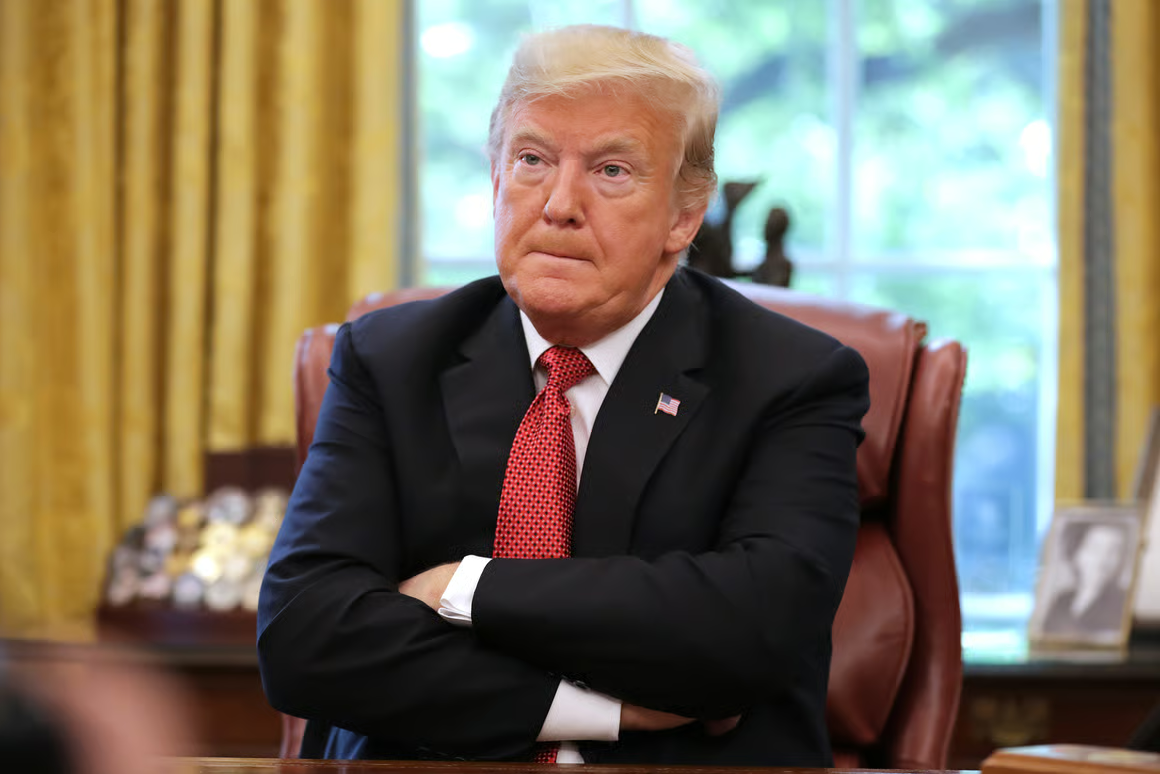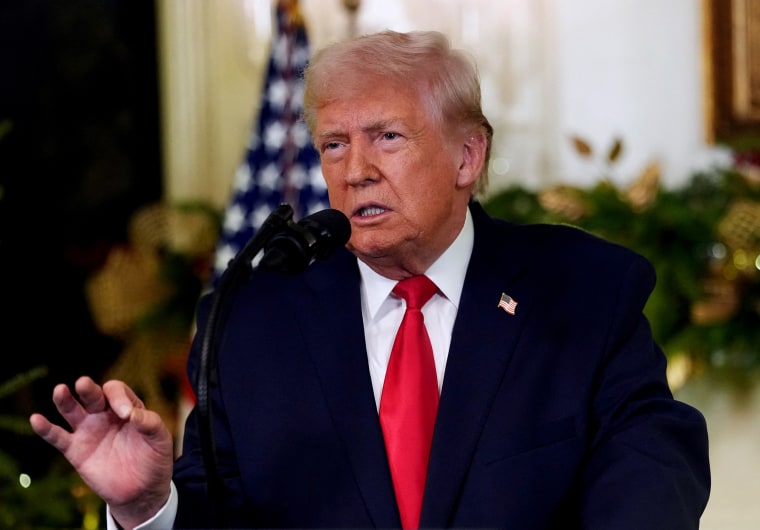
For much of his political career, public opinion has rarely followed a predictable path. Support has risen and fallen, controversies have come and gone, and sharp divisions have become almost routine. What has remained consistent, however, is the ability to command attention — even during difficult stretches.
That dynamic may now be shifting.
As the United States moves closer to another pivotal midterm election cycle, new polling data is prompting fresh questions about how voters currently view the man in the Oval Office. The numbers suggest something deeper than a temporary dip, and the timing could not be more consequential.
A Presidency Under Growing Pressure
Political approval ratings fluctuate for every administration. External events, economic conditions, and legislative battles all leave their mark. Still, there are moments when trends become difficult to ignore.
Over the past several months, voter sentiment has steadily cooled. What began as mild erosion has turned into a measurable decline, especially among independent voters and suburban districts that often decide midterm outcomes.
This is occurring at a time when party leaders are hoping to project stability and confidence. Instead, uncertainty is creeping into conversations behind the scenes.
From Early Confidence to Waning Support
When Donald Trump began his second term, approval ratings hovered near the 50-percent mark. That level of support offered political breathing room, even amid controversy.
But as months passed, the numbers failed to rebound.
Gradually, approval slipped across multiple demographics. Voters who once gave the administration the benefit of the doubt began expressing frustration, particularly over pocketbook issues and governance style.
The shift did not happen overnight. It unfolded quietly — until now.
The Numbers That Changed the Conversation
Midway through the latest polling cycle, the scale of the drop became clear.
Trump’s current job approval rating now sits at 36 percent, marking the lowest point of his presidency to date. The figure reflects how Americans assess his overall performance as president and represents a decline of roughly 14 percentage points from the beginning of his term.
For political strategists, this number is more than symbolic. Historically, presidents entering midterms with approval ratings below 40 percent face serious challenges in holding congressional majorities.
That reality has sharpened concerns across the Republican Party.
Economic Confidence Takes a Hit
One of the most striking elements of the latest polling is where support has eroded the most.
Economic management — long viewed as a political strength — is now a source of vulnerability. Trump’s approval rating on the economy has fallen to 36 percent, according to polling from Gallup.
Much of the frustration appears linked to the administration’s tariff policies. Introduced earlier this year, the tariffs were promoted as a way to strengthen domestic industries. Instead, rising prices and supply chain disruptions have begun to affect everyday expenses.
For voters already feeling financial strain, patience appears to be wearing thin.
Immigration No Longer a Political Safe Zone
Immigration, another cornerstone of Trump’s political identity, is also showing signs of weakness.
After a year marked by highly visible enforcement actions and ongoing debates over border policy, approval on immigration now mirrors the president’s economic rating. Just 36 percent of voters say they approve of how the administration is handling the issue.
The images and headlines surrounding enforcement efforts have energized critics while failing to consolidate broader public support. For an issue once seen as a reliable rallying point, the shift is significant.
When signature policies stop energizing voters, campaigns are forced to reassess their messaging.
Disapproval Becomes More Entrenched
Declining approval tells only part of the story. Equally important is the rise in active disapproval.
A recent survey conducted by Quinnipiac University found that 54 percent of respondents believe Trump has overstepped his authority during his time back in office.
This perception matters. Voters who feel a president is exceeding acceptable limits are less likely to soften their views, even when economic conditions improve.
In midterm elections, motivation often outweighs persuasion — and disapproval can be a powerful motivator.
Early Political Consequences Emerge
While national elections are still months away, early indicators suggest the shifting mood is already having consequences.
Democrats have flipped 25 state Senate and House seats so far this year, a development that has not gone unnoticed by party leaders in Washington. These gains span multiple regions, including areas that previously leaned Republican.
One particularly symbolic result came with the election of Zohran Mamdani as mayor of New York, a race many analysts see as reflective of broader voter energy rather than a local anomaly.
Together, these outcomes hint at a political environment that may be turning less favorable for the White House.
Why This Moment Matters More Than Past Slumps
Trump has faced low approval ratings before and survived politically. What makes this moment different is the convergence of factors.
Economic dissatisfaction, declining confidence on core issues, and rising concern over executive power are occurring simultaneously. At the same time, the opposition appears energized and increasingly unified.
For incumbents, midterms are often a referendum rather than a contest. The latest polling suggests that referendum may not be trending in the president’s favor.
Can the Trend Be Reversed?
History shows that approval ratings can recover, particularly if economic conditions improve or major legislation reshapes public perception. The question is whether there is enough time.
With campaigns already ramping up and voter opinions hardening, any turnaround would need to be both swift and substantial. Incremental improvements may not be enough to shift momentum.
For now, the data paints a challenging picture — one that Republicans will have to confront head-on as the midterms draw closer.

Emily Johnson is a critically acclaimed essayist and novelist known for her thought-provoking works centered on feminism, women’s rights, and modern relationships. Born and raised in Portland, Oregon, Emily grew up with a deep love of books, often spending her afternoons at her local library. She went on to study literature and gender studies at UCLA, where she became deeply involved in activism and began publishing essays in campus journals. Her debut essay collection, Voices Unbound, struck a chord with readers nationwide for its fearless exploration of gender dynamics, identity, and the challenges faced by women in contemporary society. Emily later transitioned into fiction, writing novels that balance compelling storytelling with social commentary. Her protagonists are often strong, multidimensional women navigating love, ambition, and the struggles of everyday life, making her a favorite among readers who crave authentic, relatable narratives. Critics praise her ability to merge personal intimacy with universal themes. Off the page, Emily is an advocate for women in publishing, leading workshops that encourage young female writers to embrace their voices. She lives in Seattle with her partner and two rescue cats, where she continues to write, teach, and inspire a new generation of storytellers.