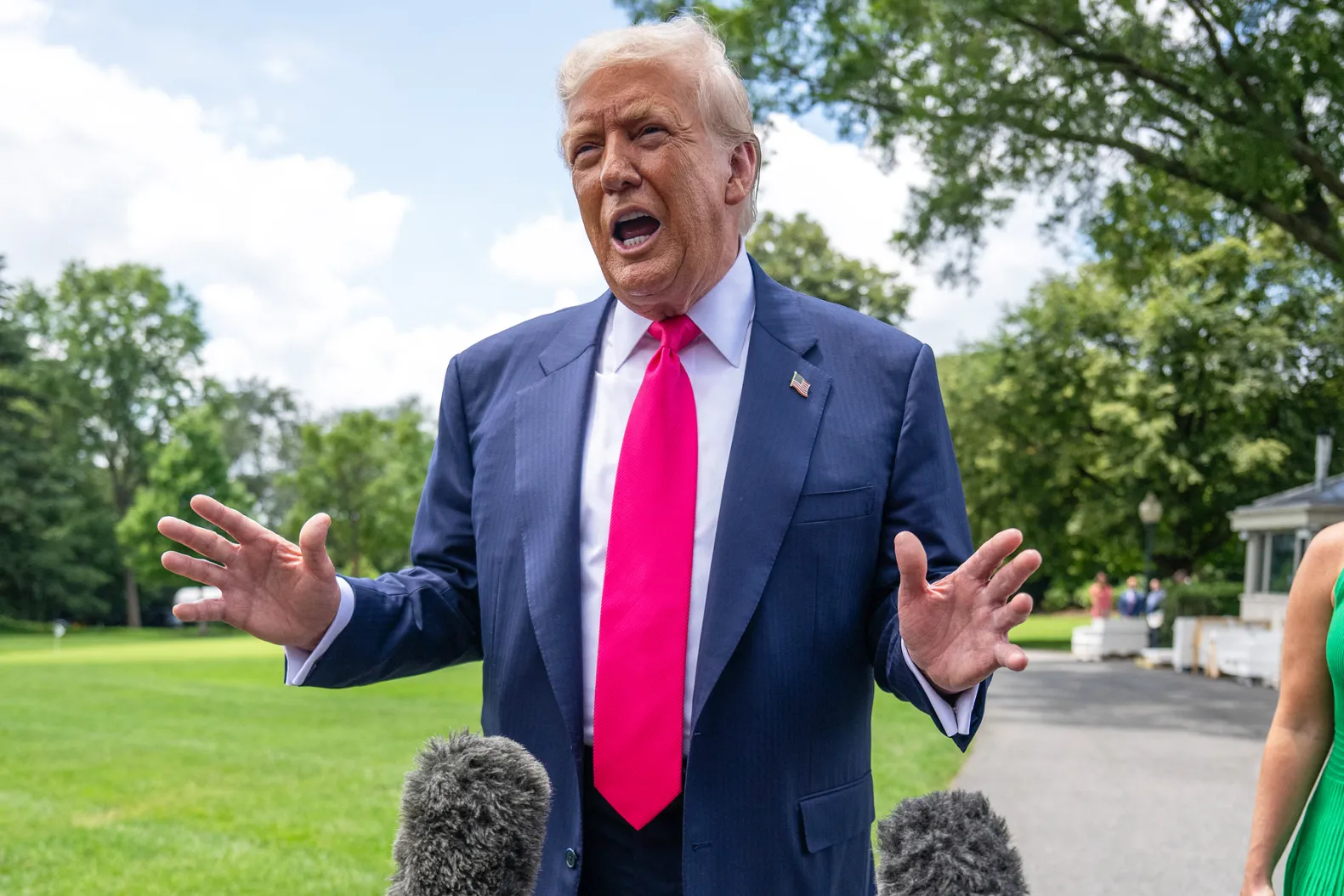
President Donald Trump’s repeated assurances that millions of Americans will receive a $2,000 tariff dividend have generated widespread interest and optimism, particularly among households struggling with rising costs of living. From grocery bills to utility payments, many families have welcomed the idea of a direct payout as a means of easing everyday financial pressures. However, despite the promise, the administration has provided few concrete details, leaving Americans uncertain about when — or even if — the payments will materialize.
The dividend, first announced in July of last year, is intended to be funded through revenues generated by tariffs on imported goods. In theory, these tariffs, which are essentially taxes on foreign products, create a pool of revenue that the administration could distribute directly to eligible American citizens. Trump has frequently highlighted this mechanism as a novel way to return economic gains from trade policies to the public, portraying it as a benefit for “low and middle income” Americans.
Yet, the lack of clarity surrounding eligibility criteria and timing has raised questions, particularly for married couples and households with uneven income distribution. In November, Trump offered what was at the time the most specific description of the program, stating that “high-income people” would not be eligible for the $2,000 payments. However, he did not clarify whether “high income” would be determined on an individual basis or combined for married couples, leaving many potential recipients unsure of whether they would qualify.
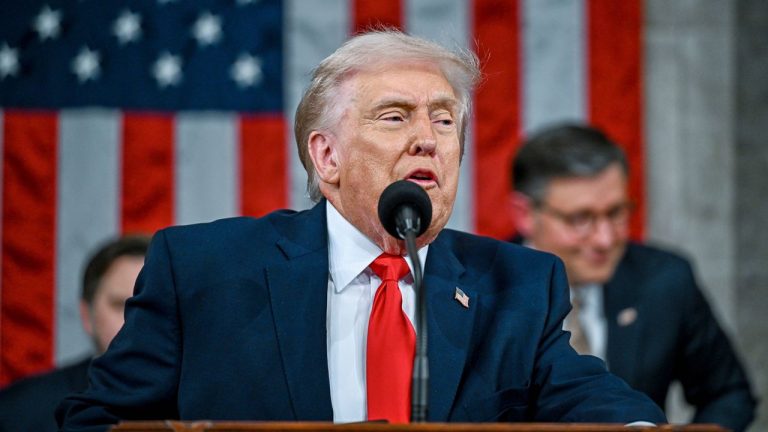
Adding to the uncertainty, Trump’s recent comments during interviews have raised eyebrows. In a New York Times interview, when asked about the long-promised payout, he initially appeared to forget about the plan, asking, “I did do that? When did I do that?” After being reminded, he reaffirmed the promise, suggesting that Americans might finally expect checks “towards the end of the year.” The inconsistency in messaging has left experts and citizens alike questioning the administration’s readiness to implement the dividend effectively.
One complicating factor is the potential vulnerability of the entire tariff system to legal challenges. The White House’s plan relies heavily on revenues from tariffs imposed on imported goods, but large U.S. businesses, including major retailers such as Costco, have indicated they may challenge the levies in court. Should the Supreme Court rule against the administration, it could undermine the revenue stream that would fund the dividend. Estimates suggest that the tariffs have generated roughly $200 billion in revenue, meaning a legal setback could make it financially impossible to provide payments to the tens of millions of Americans currently projected to benefit.
Beyond legal uncertainties, logistical issues could also affect implementation. As with previous stimulus payments, distributing the dividend efficiently would require significant coordination across multiple federal agencies. The Treasury Department, responsible for issuing payments, would likely need to verify eligibility, assess household income, and process checks or direct deposits. Any delays or administrative challenges could postpone disbursement, further testing public confidence in the program.
Experts have speculated on how eligibility might be determined, often referencing thresholds used during prior federal stimulus efforts. During Trump’s first term, two rounds of direct stimulus payments were distributed based on income limits, with individuals earning up to $75,000 annually and couples earning up to $150,000 qualifying for full payments. Using these benchmarks, married couples with combined incomes above $150,000 would be excluded, while individuals earning more than $75,000 would likewise not receive a payment. This approach could result in some households being partially excluded if one partner earns significantly more than the other, raising complex questions about how to fairly administer the program.
According to data from the 2024 Census, the median household income in the United States was $83,730. Applying similar thresholds to those used in previous stimulus programs implies that nearly half of American households may fall outside the qualification range for the dividend. While this targeted approach would focus the payments on lower- and middle-income families, it also means that millions of Americans who might benefit from the assistance could be excluded based on income calculations.
The $2,000 figure itself has been a point of discussion and speculation. Analysts note that while the amount is substantial enough to help cover short-term expenses such as groceries, utility bills, or other necessities, it is unlikely to make a significant long-term dent in household budgets. Nevertheless, for many families facing inflationary pressures, any direct payment could provide meaningful relief.
Some observers have also raised concerns about the broader economic implications of using tariff revenues in this way. Tariffs are paid by importers and, ultimately, by U.S. consumers through higher prices on goods. Redirecting those funds as dividends creates a transfer mechanism, but critics argue that it could also distort markets and discourage international trade. Supporters, however, view the plan as a pragmatic way to return economic benefits from trade policies to everyday Americans, especially in an environment where the cost of living continues to rise.
In addition to financial and economic considerations, political dynamics play a key role in shaping the prospects of the dividend. Congress has not formally approved the payments, meaning that any attempt to distribute funds would likely require legislative backing or creative executive action. Legal scholars have debated whether the president has unilateral authority to distribute tariff revenue in this manner, highlighting potential constitutional and administrative challenges.
Furthermore, the promise has sparked public debate about fairness and targeting. While low- and middle-income households stand to benefit, the structure of the program could leave some eligible individuals uncertain about their standing. Married couples with significant income disparity could face unexpected exclusions, while self-employed individuals or those with irregular income may encounter difficulties in meeting the eligibility criteria. These nuances underscore the complexity of administering such a program on a national scale.
Despite these uncertainties, the announcement of a potential $2,000 dividend has resonated with Americans facing economic pressures. Many view the proposal as a welcome intervention in a climate of rising prices, particularly for essentials such as food, energy, and healthcare. The promise of direct cash assistance, even if delayed or limited in scope, has generated anticipation and public discourse about government support for households during periods of financial strain.
Ultimately, the fate of Trump’s tariff dividend hinges on multiple factors: legal challenges to the tariff program, administrative readiness to issue payments, legislative support, and the broader economic environment. As the administration navigates these hurdles, Americans are left to weigh the promise against the uncertainty, hoping that the intended financial relief will eventually reach those who need it most.
While the $2,000 figure has captured headlines and fueled excitement, the broader questions of eligibility, timing, and the sustainability of the funding mechanism remain unanswered. Observers will be closely monitoring developments, including potential Supreme Court decisions, public statements by the White House, and any clarifications regarding income thresholds for eligibility. Until then, the $2,000 tariff dividend remains a largely aspirational promise, one that reflects both the potential benefits of direct government payments and the challenges inherent in delivering them effectively.

Emily Johnson is a critically acclaimed essayist and novelist known for her thought-provoking works centered on feminism, women’s rights, and modern relationships. Born and raised in Portland, Oregon, Emily grew up with a deep love of books, often spending her afternoons at her local library. She went on to study literature and gender studies at UCLA, where she became deeply involved in activism and began publishing essays in campus journals. Her debut essay collection, Voices Unbound, struck a chord with readers nationwide for its fearless exploration of gender dynamics, identity, and the challenges faced by women in contemporary society. Emily later transitioned into fiction, writing novels that balance compelling storytelling with social commentary. Her protagonists are often strong, multidimensional women navigating love, ambition, and the struggles of everyday life, making her a favorite among readers who crave authentic, relatable narratives. Critics praise her ability to merge personal intimacy with universal themes. Off the page, Emily is an advocate for women in publishing, leading workshops that encourage young female writers to embrace their voices. She lives in Seattle with her partner and two rescue cats, where she continues to write, teach, and inspire a new generation of storytellers.