JD Vance, the U.S. vice president, faced an unexpectedly chilly reception during the opening ceremony of the 2026 Winter Olympics at San Siro Stadium in Milan, Italy, on Friday, February 6. The spectacle, which typically combines pageantry, music, and international sportsmanship, turned into a moment of controversy when cameras captured spectators booing Vance and his wife, Usha, as they waved the American flag.
While the U.S. athletes were greeted with enthusiastic cheers as they entered the stadium, the crowd’s reaction to Vance and his wife was notably different. The footage showed jeers, boos, and scattered applause, a reception that was reportedly edited out of NBC’s broadcast for American viewers. In parallel, the four athletes representing Israel at the Games received a similarly frosty welcome from the audience.
Earlier in the week, International Olympic Committee (IOC) President Kirsty Coventry had called on fans attending the ceremony to behave respectfully toward all participants. “We ask all spectators to show respect for the athletes and their teams,” Coventry said. “The Olympics are a celebration of sport, not politics.” Despite this guidance, the crowd’s response toward Vance and Israel’s athletes demonstrated that some spectators were unwilling to separate politics from pageantry.
IOC spokesperson Mark Adams later commented on the incident, emphasizing the importance of maintaining sportsmanlike behavior. “In terms of the athletes and the teams, whatever background, whatever country they’re from, we don’t like to see booing. We want to see sportsperson-like behavior from everyone. It’s important that we support our athletes,” Adams said.
Donald Trump Reacts
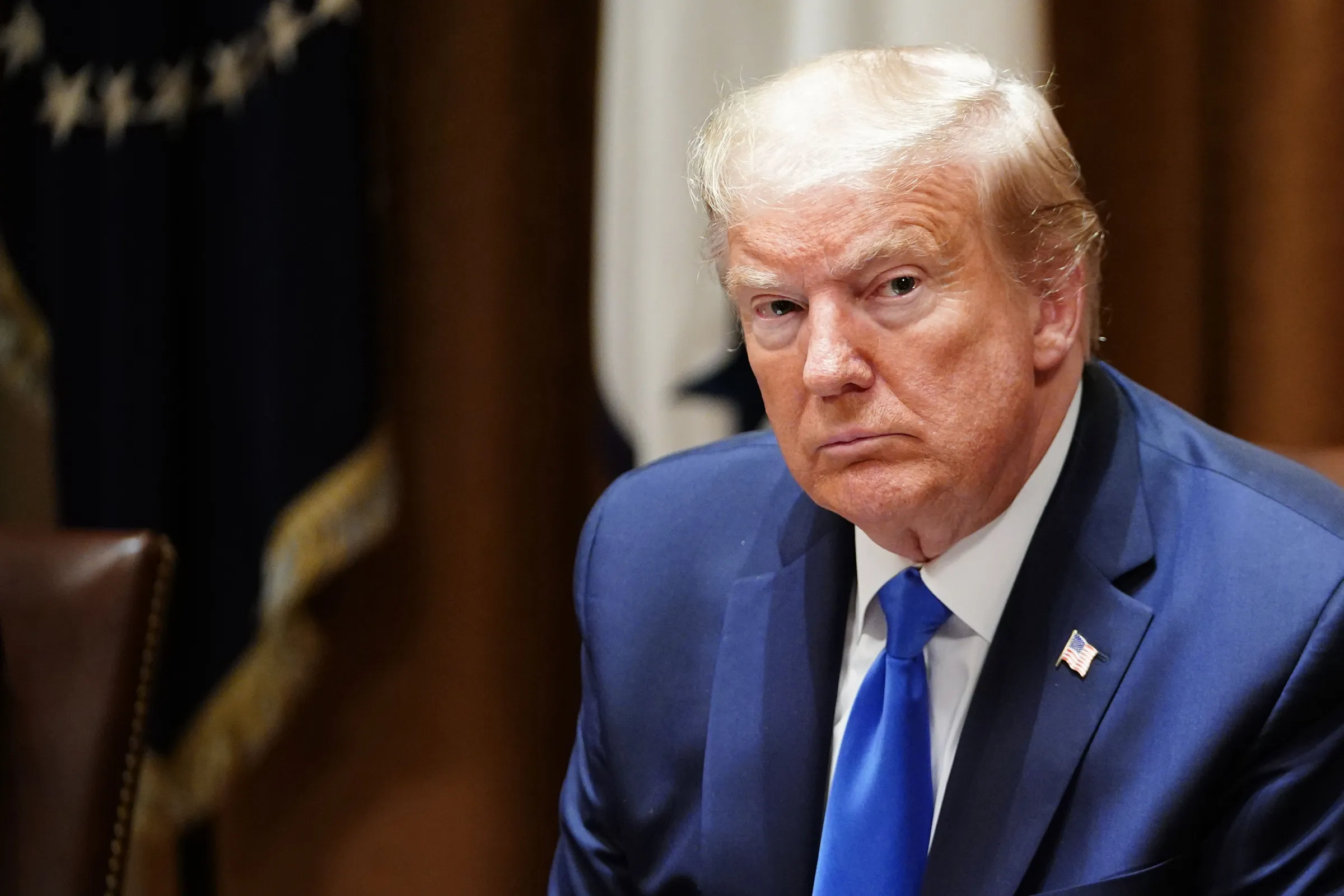
Former President Donald Trump, who has frequently commented on political events and international occasions, spoke about the reception while aboard Air Force One on Friday. He expressed surprise at the booing, noting that Vance does not typically face such reactions on American soil.
“It’s surprising because people like him. Well, I mean, he is in a foreign country, in all fairness. But he doesn’t get booed in this country,” Trump told reporters.
While Trump suggested that Vance is generally well-liked domestically, the vice president has, in fact, been booed at multiple events in the United States. In August 2024, Vance was met with jeers during a speech at the International Association of Fire Fighters, and in March 2025, he was booed at the Kennedy Center after arriving approximately 25 minutes late to a scheduled appearance.
These past incidents illustrate that Vance’s public appearances can generate polarized reactions, depending on context, audience, and timing. Even so, the reaction at an international sporting event like the Winter Olympics is notable for its scale and public visibility.
The Couple’s Perspective
Despite the chilly reception, JD Vance and his wife appeared composed throughout the opening ceremony. Usha Vance shared a photo of the couple on Instagram, captioning it: “What a thrilling start to the 2026 Winter Olympics in Milan! Go Team USA – we’re rooting for you!”
The post quickly attracted attention on social media, with many users commenting on the booing in a humorous manner. Among the reactions were:
-
“Could you repeat that? I couldn’t hear over the boos.”
-
“The crowd knew the assignment.”
-
“Didn’t y’all get booed?”
Social media users seized the moment to make light of the situation, while others debated whether the booing was appropriate at a global sporting event meant to celebrate athletic achievement rather than politics.
The Role of Politics at Sporting Events
The incident raises broader questions about the intersection of politics and sports. While the Olympics are traditionally positioned as a politically neutral celebration of international athleticism, history has shown that high-profile events can quickly become platforms for political expression. From the famous 1968 Black Power salute by U.S. athletes to boycotts during the Cold War, international sports have long been intertwined with global politics.
Vance’s experience in Milan echoes these historical tensions. Some spectators may have reacted negatively due to his political identity rather than the ceremonial role he played in waving the American flag. For politicians and public figures attending international sporting events, such responses highlight the difficulty of separating personal or national popularity from the wider political perceptions of a host nation’s audience.
International Reaction and Media Coverage
The boos directed at Vance were particularly notable because they were largely edited out of U.S. broadcasts. NBC reportedly cut the moment from its airing, limiting American audiences’ exposure to the incident. International media, however, picked up the footage, prompting discussions about sportsmanship, audience behavior, and the impact of politics on global events.
Media outlets highlighted the contrast between the warm reception of U.S. athletes and the less enthusiastic response toward political figures and certain national teams, including Israel. Coverage noted that while athletes often receive acclaim for their achievements, politicians attending these events can inadvertently attract attention for reasons unrelated to the Games themselves.
Spectator Behavior and Olympic Etiquette
The IOC has consistently encouraged respectful behavior from fans during the Olympics, emphasizing that the Games should focus on athletes and their accomplishments. Officials reiterated that booing or jeering detracts from the spirit of international cooperation and friendly competition.
Mark Adams, the IOC spokesperson, emphasized that while fan enthusiasm is natural, it should be expressed in a way that honors the athletes’ dedication. “The Olympics are about celebrating the best of human athletic achievement,” Adams said. “Regardless of political opinions, we hope that all spectators remember to act in a sportsmanlike manner.”
Despite these guidelines, large public events are unpredictable, and crowd reactions often reflect a mix of national pride, cultural differences, and individual opinions. The incident involving Vance highlights the ongoing challenge of maintaining decorum at widely viewed international spectacles.
Looking Ahead
JD Vance and his wife continue to participate in official Winter Olympics events, maintaining a focus on supporting Team USA. The incident has sparked conversation about the visibility of political figures at sporting events, audience behavior, and how broadcasters handle controversial moments during live coverage.
For many observers, the boos served as a reminder that international audiences may view political figures through a very different lens than domestic crowds. As global events increasingly draw attention from audiences around the world, such reactions are likely to become more common, requiring careful consideration from organizers and media outlets alike.
Ultimately, the reception of Vance at the 2026 Winter Olympics underscores the complex intersection of sports, politics, and public perception. While the Games remain a celebration of athletic achievement and international cooperation, high-profile attendees inevitably bring their own public reputations — and sometimes controversy — with them.

Emily Johnson is a critically acclaimed essayist and novelist known for her thought-provoking works centered on feminism, women’s rights, and modern relationships. Born and raised in Portland, Oregon, Emily grew up with a deep love of books, often spending her afternoons at her local library. She went on to study literature and gender studies at UCLA, where she became deeply involved in activism and began publishing essays in campus journals. Her debut essay collection, Voices Unbound, struck a chord with readers nationwide for its fearless exploration of gender dynamics, identity, and the challenges faced by women in contemporary society. Emily later transitioned into fiction, writing novels that balance compelling storytelling with social commentary. Her protagonists are often strong, multidimensional women navigating love, ambition, and the struggles of everyday life, making her a favorite among readers who crave authentic, relatable narratives. Critics praise her ability to merge personal intimacy with universal themes. Off the page, Emily is an advocate for women in publishing, leading workshops that encourage young female writers to embrace their voices. She lives in Seattle with her partner and two rescue cats, where she continues to write, teach, and inspire a new generation of storytellers.