NOTE: LIVESTREAM AT THE END OF THE ARTICLE
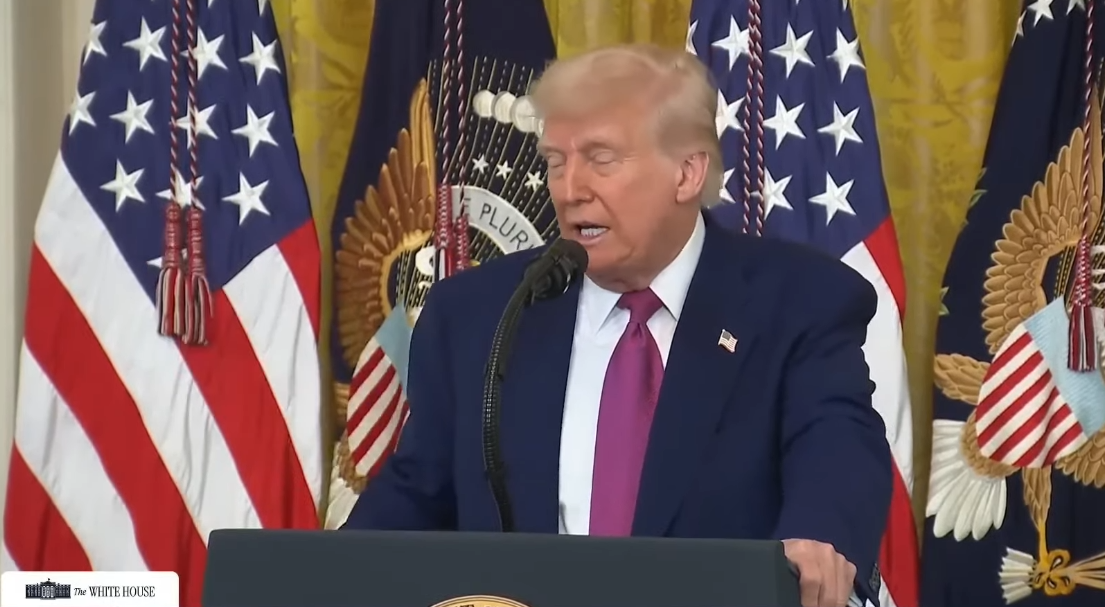
Today, President Donald Trump addressed a live audience at the White House, unveiling a $12 billion assistance package for American farmers. The announcement comes as a response to the financial strain many farmers have experienced from tariff-driven trade disruptions and rising production costs.
The bulk of the package, roughly $11 billion, will go directly to farmers producing major row crops, while the remaining $1 billion is allocated to other types of crops not covered under the main program. Trump described the initiative as a measure to protect American agriculture, emphasizing the importance of ensuring farmers remain financially stable despite global market challenges.
Farmers across the country have faced significant setbacks due to declining exports and unpredictable trade agreements. The recent trade policies, particularly tariffs on China and other nations, contributed to reduced demand for key crops like soybeans, wheat, and cotton. Rising input costs, including seeds, fertilizer, and fuel, further compounded their struggles. Many farmers were also awaiting promised international purchases that have yet to materialize, creating uncertainty in their planning for upcoming planting seasons.
During the live session, Trump was joined by senior administration officials and representatives from various farm groups. He emphasized that the aid package is a demonstration of the administration’s commitment to supporting the agricultural sector, which he called “the backbone of our country.” The president framed the move as both a practical relief measure and a signal that his administration is responsive to the economic pressures facing rural communities.
The announcement carries both economic and political significance. Economically, the aid is expected to provide immediate relief to farmers, helping them cover operational costs and stabilize their businesses. Politically, the move seeks to reaffirm support among rural voters, a key constituency, and to mitigate criticism over the trade policies that contributed to the current difficulties.
Critics, however, argue that the aid is a temporary patch rather than a long-term solution. They warn that while the package may ease short-term financial pressures, it does not address the underlying volatility in global markets or the consequences of ongoing trade disputes. Despite this, for many farmers, the immediate financial support will be crucial in navigating the remainder of the growing season and planning for the next year.
Trump’s live address also highlighted the broader context of the administration’s approach to trade and agriculture. While international trade deals have been announced, the pace and scale of actual purchases have often fallen short of expectations. This aid package is seen as a way to bridge the gap and provide tangible support while longer-term agreements continue to take effect.
As the live event continues, observers are closely watching for details on distribution timelines and eligibility criteria, which will determine how quickly farmers can access the funds. The announcement marks a notable moment in Trump’s ongoing efforts to respond to the challenges faced by the American agricultural sector, offering immediate relief while also reinforcing his political ties to rural communities.

Emily Johnson is a critically acclaimed essayist and novelist known for her thought-provoking works centered on feminism, women’s rights, and modern relationships. Born and raised in Portland, Oregon, Emily grew up with a deep love of books, often spending her afternoons at her local library. She went on to study literature and gender studies at UCLA, where she became deeply involved in activism and began publishing essays in campus journals. Her debut essay collection, Voices Unbound, struck a chord with readers nationwide for its fearless exploration of gender dynamics, identity, and the challenges faced by women in contemporary society. Emily later transitioned into fiction, writing novels that balance compelling storytelling with social commentary. Her protagonists are often strong, multidimensional women navigating love, ambition, and the struggles of everyday life, making her a favorite among readers who crave authentic, relatable narratives. Critics praise her ability to merge personal intimacy with universal themes. Off the page, Emily is an advocate for women in publishing, leading workshops that encourage young female writers to embrace their voices. She lives in Seattle with her partner and two rescue cats, where she continues to write, teach, and inspire a new generation of storytellers.