The tragic killing of Renee Nicole Good, a Minnesota mother of three, has drawn national attention and sparked intense political debate. Good was fatally shot by Immigration and Customs Enforcement (ICE) agent Jonathan Ross on January 7, 2026, in Minneapolis. The incident immediately became a flashpoint for discussions about federal law enforcement, use-of-force policies, and executive accountability.
In the immediate aftermath, both President Donald Trump and Homeland Security Secretary Kristi Noem labeled Good a “domestic terrorist,” citing claims that she had attempted to use her vehicle against ICE officers. The characterization drew swift criticism from civil rights groups, local officials, and members of the public, who argued that the federal government was unfairly demonizing a civilian. Many observers noted that such language risked inflaming public anger and deepening mistrust between citizens and law enforcement agencies.
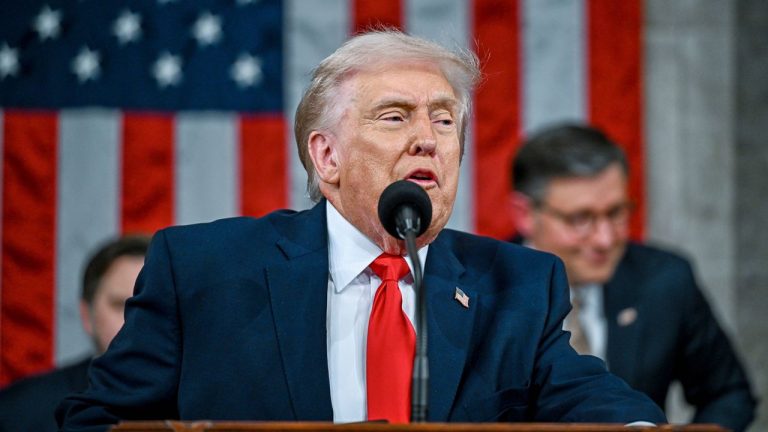
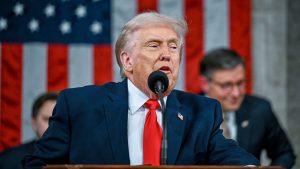
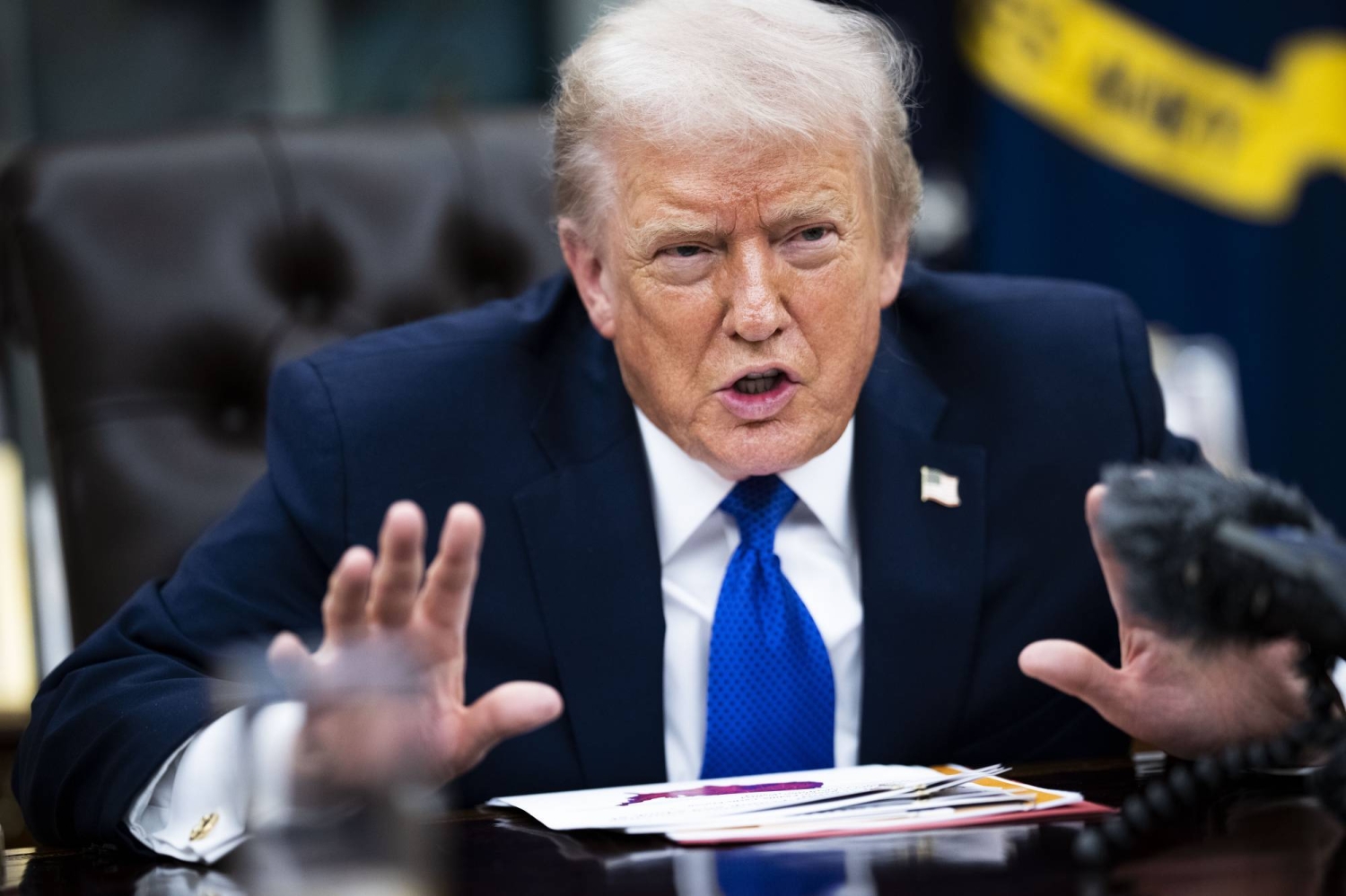
Following the release of additional footage providing a broader view of the incident, President Trump moderated his remarks during an interview with CBS host Tony Dokoupil. He stated, “I want to say to the father that I love all our people. They can be on the other side. I would bet you that she, under normal circumstances, was a very solid, wonderful person, but her actions were pretty tough.” While this represented a softer approach, Trump maintained that Good’s actions contributed to the tragic outcome, reinforcing the administration’s stance that ICE agents were justified in using deadly force.
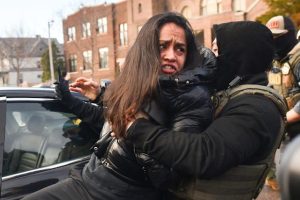
The killing of Good has provoked protests nationwide, with demonstrations taking place in Minneapolis, New York, Chicago, and other major cities. Activists have demanded accountability for the federal response and called for reforms to ICE’s operations. Minneapolis Mayor Jacob Frey condemned the federal characterization of Good, labeling it “garbage,” and accused the federal government of creating chaos rather than promoting safety. Protesters have called for measures including the defunding of ICE and the impeachment of Secretary Noem, who continues to defend the actions of agent Ross.
Democratic lawmakers in Minnesota have responded with legislation aimed at restricting ICE operations. Advocates emphasize the need for independent oversight and clear rules governing the use of force in civilian contexts. New Jersey State Senator Britnee Timberlake drew historical comparisons, stating, “Anyone who is an ancestor of a Holocaust survivor will tell you, this is how it starts,” highlighting the dangers of unchecked federal enforcement. These proposals have gained traction in the context of growing public demand for accountability and systemic reform.
The incident has also created divisions in Congress. Many Republican lawmakers, including members of the House Oversight Committee, defended Noem’s position, arguing that agent Ross acted appropriately and in accordance with federal law. These members voted against motions that would have compelled ICE to release records and footage related to the shooting. Republicans have framed the debate around officer safety and the risks faced by law enforcement personnel, emphasizing the importance of discretion in high-stakes situations.
Despite these defenses, public opinion appears increasingly critical of ICE’s role and the protocols guiding federal agents in urban areas. Law enforcement experts note that deploying ICE agents in densely populated cities can escalate tensions and increase the likelihood of violent encounters. The Good shooting has highlighted the broader challenges of balancing law enforcement prerogatives with public safety and civil liberties.
The social implications of the incident have been significant. Nationwide protests have amplified calls for reform, with social media platforms serving as a key conduit for discussion and mobilization. Eyewitness accounts, news coverage, and public commentary have fueled a nationwide conversation about government accountability and the appropriate use of force in civilian encounters.
President Trump’s handling of the situation has been scrutinized extensively. Critics argue that his initial labeling of Good as a “domestic terrorist” unfairly vilified a civilian and contributed to public unrest. Supporters counter that the president was providing a factual assessment of the events and defending the actions of law enforcement officers. Trump’s remarks reflect the ongoing challenge for public officials in addressing incidents involving lethal force while maintaining credibility and trust with the public.
Adding to the controversy is Trump’s broader pattern of confrontational public behavior. During a visit to a Ford factory in Michigan, the president responded to a worker who called him a “pedophile protector” by raising his middle finger. The worker, identified as TJ Sabula, was later suspended from his job. Sabula claimed that he was targeted for political retribution, arguing that he had merely spoken his mind in a public setting. The White House defended Trump’s response as “appropriate and unambiguous,” framing it as a reaction to an aggressive outburst rather than a legitimate inquiry. This incident illustrates the polarized and often contentious nature of Trump’s public interactions and the political fallout that can follow.
The Good case has intensified debate about federal law enforcement training and the use-of-force protocols. Experts emphasize that agencies should prioritize de-escalation and civilian safety, particularly when confronting non-violent or minimally threatening individuals. The shooting has prompted discussions about the legal frameworks governing ICE and other federal agencies, highlighting the need for clear guidance and accountability mechanisms.
Political implications of the shooting have extended beyond Minneapolis. Congressional hearings, legislative proposals, and media coverage have transformed the case into a national issue. Lawmakers are divided on the appropriate response, with Democrats advocating for stricter oversight and Republicans emphasizing officer discretion. The debate underscores broader ideological divides regarding governance, civil liberties, and public safety in the United States.
For the family of Renee Good, the tragedy is deeply personal. The loss of a loved one, compounded by political and media scrutiny, has created an emotionally charged environment. Family members have called for justice and systemic reform, emphasizing that individual tragedies often illuminate larger structural challenges within federal law enforcement and government oversight.
The shooting has also raised questions about the role of executive messaging in shaping public perception. High-profile figures’ statements about critical incidents can influence public understanding, sway political outcomes, and affect the course of investigations. Analysts note that the framing of Good’s actions by both Trump and Noem may have long-term consequences for public trust and the perception of fairness in federal enforcement.
Legislatively, the Good case has spurred action at both state and federal levels. In Minnesota, proposals aim to limit ICE’s authority and establish clearer guidelines for the deployment of federal agents in civilian communities. Similar discussions are occurring in other states, reflecting a growing national interest in ensuring that law enforcement agencies operate transparently and within well-defined legal boundaries.
The political ramifications are not limited to legislation. Media coverage of the incident has placed both Trump and Noem under scrutiny, while activists continue to organize protests and awareness campaigns. The case has become a touchstone in debates over the balance between law enforcement authority and the protection of civil rights, with public opinion divided along partisan and ideological lines.
In the broader context, the Renee Good shooting reflects enduring tensions in American society regarding law enforcement, federal authority, and the rights of citizens. It highlights the need for ongoing discussion about accountability, training, and the ethical obligations of public officials. The incident underscores the importance of transparency, independent oversight, and thoughtful policy design in preventing future tragedies.
As investigations into the shooting continue, public attention remains high. Analysts anticipate that legal reviews, Congressional inquiries, and public debate will shape the response in the coming months. The case has revealed systemic challenges in federal law enforcement operations, particularly when agents are deployed in civilian environments, and has sparked urgent calls for reform from across the political spectrum.
President Trump’s statements, from his initial harsh characterization of Good to his later attempt at conciliation, illustrate the complexities of navigating high-profile incidents in a polarized political climate. While he attempted to acknowledge Good’s humanity, the emphasis on her “tough” actions has been criticized as victim-blaming by civil rights groups and media commentators. The tension between political messaging and public accountability remains a central theme in the aftermath of the shooting.
In conclusion, the tragic death of Renee Nicole Good has become a national flashpoint, sparking protests, legislative proposals, and extensive media coverage. The case highlights enduring questions about federal law enforcement practices, executive responsibility, and the ethics of public messaging following incidents involving lethal force. President Trump’s handling of the situation, both in rhetoric and policy response, continues to provoke debate and underscores the challenges inherent in addressing such incidents in the United States.
The incident serves as a reminder of the human consequences of law enforcement decisions, the importance of transparent and accountable government, and the complex interplay between politics, public perception, and civil liberties in contemporary American society.

Emily Johnson is a critically acclaimed essayist and novelist known for her thought-provoking works centered on feminism, women’s rights, and modern relationships. Born and raised in Portland, Oregon, Emily grew up with a deep love of books, often spending her afternoons at her local library. She went on to study literature and gender studies at UCLA, where she became deeply involved in activism and began publishing essays in campus journals. Her debut essay collection, Voices Unbound, struck a chord with readers nationwide for its fearless exploration of gender dynamics, identity, and the challenges faced by women in contemporary society. Emily later transitioned into fiction, writing novels that balance compelling storytelling with social commentary. Her protagonists are often strong, multidimensional women navigating love, ambition, and the struggles of everyday life, making her a favorite among readers who crave authentic, relatable narratives. Critics praise her ability to merge personal intimacy with universal themes. Off the page, Emily is an advocate for women in publishing, leading workshops that encourage young female writers to embrace their voices. She lives in Seattle with her partner and two rescue cats, where she continues to write, teach, and inspire a new generation of storytellers.