A man who attempted to assassinate Donald Trump during the height of the 2024 presidential campaign has been sentenced to spend the rest of his life behind bars, bringing a dramatic and violent chapter of the election season to a close.
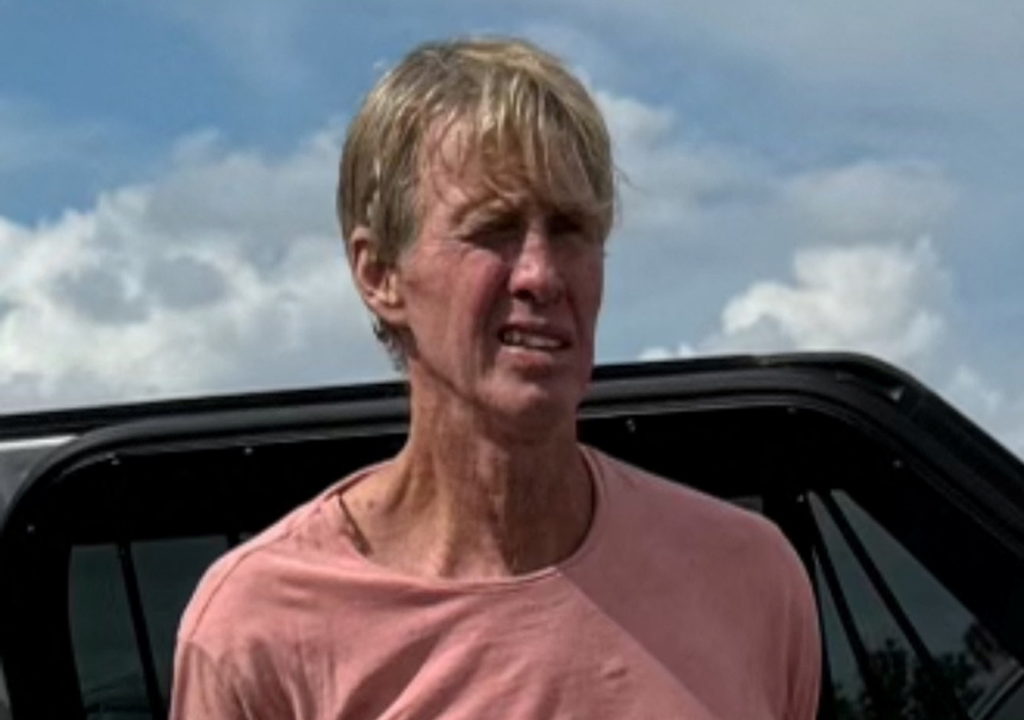
Ryan Wesley Routh, 59, received a sentence of life in federal prison, plus an additional 84 months, after being convicted on multiple serious charges stemming from the failed assassination attempt at Trump’s Florida golf course. The sentence was handed down Wednesday in federal court in Fort Pierce, Florida, by U.S. District Judge Aileen Cannon.
The courtroom where Routh learned his fate was the same one that erupted into chaos months earlier, when he attempted to stab himself shortly after a jury found him guilty on all counts. That outburst underscored what prosecutors repeatedly described as Routh’s instability, lack of remorse, and continued threat to public safety.
Federal prosecutors had sought a sentence of life without the possibility of parole, arguing that Routh remained unrepentant and had never expressed remorse for placing lives at risk, including that of a major presidential candidate. Defense counsel, appointed for the sentencing phase after Routh abandoned self-representation, asked the court for a substantially reduced sentence, citing his age and arguing that he should not die in prison.
Judge Cannon ultimately sided with the government’s recommendation, imposing a life sentence along with a consecutive seven-year term tied to one of Routh’s firearms convictions. The judge emphasized the gravity of the crimes and the extraordinary danger posed by targeting a presidential candidate during a volatile election season.
Routh’s sentencing had originally been scheduled for December, but the date was postponed after he requested legal representation for the final phase of the case. Throughout most of the trial, Routh had represented himself, a decision that frequently disrupted proceedings and prompted repeated warnings from the bench.
Prosecutors outlined their position in a detailed sentencing memorandum, stating that Routh had never accepted responsibility for his actions and continued to display what they described as “near-total disregard for law.” They argued that federal sentencing guidelines supported a life sentence, given the nature of the crimes and the premeditated effort to carry out an assassination.
“Routh remains unrepentant for his crimes, never apologized for the lives he put at risk, and his life demonstrates near-total disregard for law,” prosecutors wrote. They said a lesser sentence would fail to reflect the seriousness of the offense or adequately protect the public.
Routh’s newly appointed attorney, Martin L. Roth, urged the court to impose a downward variance. He requested a sentence of 20 years in prison, in addition to the mandatory seven-year sentence for one of the gun charges. In filings, Roth pointed out that Routh was just weeks away from turning 60 and argued that a sentence allowing for eventual release would still constitute severe punishment.
“The defendant is two weeks short of being sixty years old,” Roth wrote. “A just punishment would provide a sentence long enough to impose sufficient but not excessive punishment, and to allow defendant to experience freedom again as opposed to dying in prison.”
The court rejected that argument.
Evidence presented at trial showed that Routh spent weeks planning the assassination attempt before arriving at Trump’s West Palm Beach golf course on September 15, 2024. Prosecutors said he positioned himself in shrubbery near the course and aimed a rifle as Trump played a round of golf during a brief break from campaigning.
A U.S. Secret Service agent assigned to protect Trump testified that he spotted Routh before Trump came into view. According to the testimony, Routh aimed his rifle toward the agent, who immediately opened fire. Routh dropped his weapon and fled the scene without firing a shot. He was later arrested by law enforcement officers.
Routh was convicted of attempting to assassinate a major presidential candidate, using a firearm in furtherance of a crime of violence, assaulting a federal officer, possessing a firearm as a convicted felon, and using a firearm with a defaced serial number. Each charge carried substantial penalties, collectively resulting in one of the harshest sentences imposed for a politically motivated crime in recent years.
During the proceedings, prosecutors also highlighted Routh’s disturbing written statements and online activity. In one filing submitted while seeking legal counsel, Routh bizarrely suggested trading his life in a prisoner swap with individuals he claimed were unjustly detained abroad. In the same document, he offered himself as an outlet for Trump’s anger, writing that the former president could “take out his frustrations on my face.”
In another handwritten statement, Routh reflected on the failed shooting attempt in a manner prosecutors described as flippant and disturbing. “Just a quarter of an inch further back and we all would not have to deal with all of this mess forwards,” he wrote, adding, “but I always fail at everything.”
Judge Cannon sharply criticized the tone and content of Routh’s filings, calling them a “disrespectful charade” that made a mockery of the judicial process. Nevertheless, she granted his request for legal representation, citing the importance of ensuring constitutional protections even in extreme cases.
Cannon had previously approved Routh’s request to represent himself at trial, after determining that he was competent to waive his right to counsel. His former federal public defenders remained in the courtroom as standby counsel throughout the proceedings.
Routh’s criminal history was also a factor in sentencing. He had multiple prior felony convictions, including possession of stolen goods, which made his possession of a firearm illegal under federal law. Prosecutors also introduced evidence of a significant online footprint marked by hostility toward Trump and political extremism.
In a self-published book, Routh made inflammatory statements, including encouragement for foreign actors to assassinate Trump. At one point, he wrote that as a former Trump voter, he bore responsibility for helping elect him, language prosecutors said reflected both obsession and radicalization.
Judge Cannon concluded that Routh’s conduct represented a direct and calculated threat to democratic institutions, public safety, and the rule of law. In imposing a life sentence, she underscored that attempts to assassinate political leaders strike at the core of constitutional governance.
With the sentence now finalized, Routh will spend the remainder of his life in federal custody. The case stands as one of the most serious acts of political violence connected to the 2024 election and serves as a stark reminder of the risks faced by candidates during an era of heightened political tension.

Emily Johnson is a critically acclaimed essayist and novelist known for her thought-provoking works centered on feminism, women’s rights, and modern relationships. Born and raised in Portland, Oregon, Emily grew up with a deep love of books, often spending her afternoons at her local library. She went on to study literature and gender studies at UCLA, where she became deeply involved in activism and began publishing essays in campus journals. Her debut essay collection, Voices Unbound, struck a chord with readers nationwide for its fearless exploration of gender dynamics, identity, and the challenges faced by women in contemporary society. Emily later transitioned into fiction, writing novels that balance compelling storytelling with social commentary. Her protagonists are often strong, multidimensional women navigating love, ambition, and the struggles of everyday life, making her a favorite among readers who crave authentic, relatable narratives. Critics praise her ability to merge personal intimacy with universal themes. Off the page, Emily is an advocate for women in publishing, leading workshops that encourage young female writers to embrace their voices. She lives in Seattle with her partner and two rescue cats, where she continues to write, teach, and inspire a new generation of storytellers.