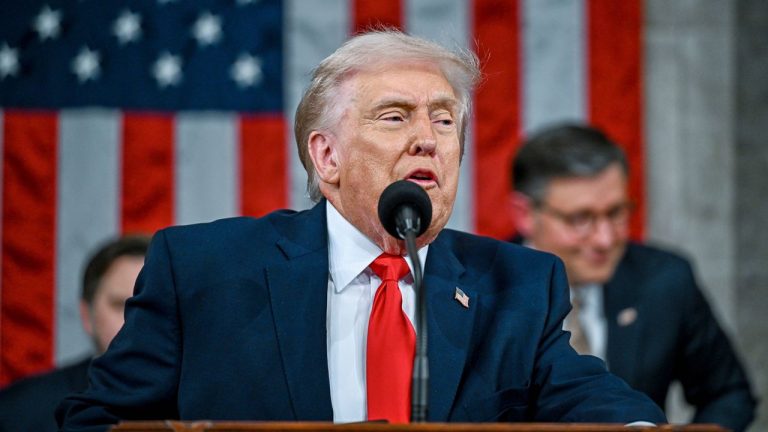

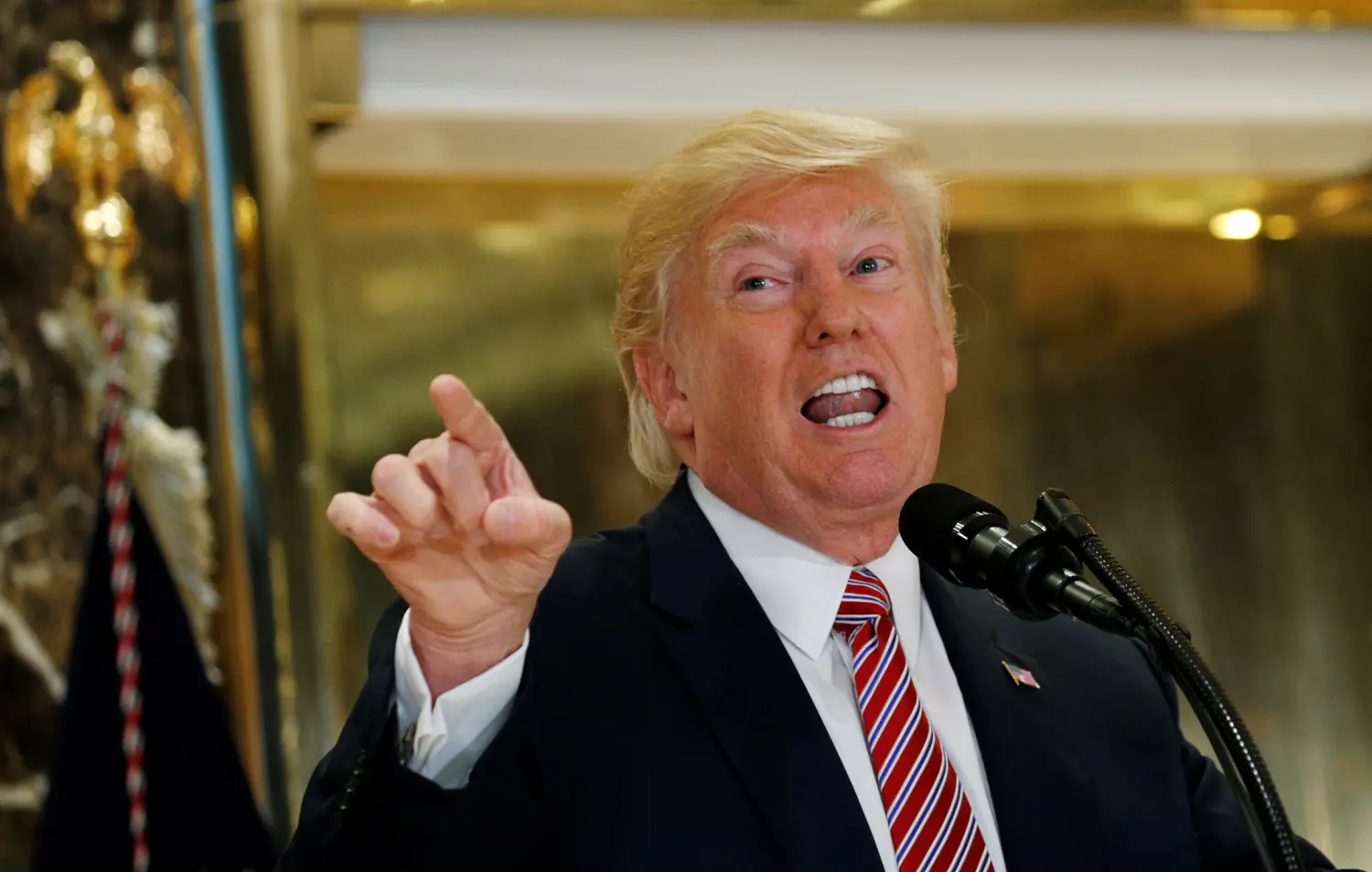
In a move that has sent shockwaves through international trade and diplomatic circles, former President Donald J. Trump announced plans to impose escalating tariffs on eight European countries unless they consent to allow the United States to acquire Greenland from Denmark. The announcement, made on Trump’s social media platform Truth Social on Saturday, represents one of the most unusual foreign policy proposals in recent memory, combining trade leverage, territorial ambitions, and claims of national security.
According to the announcement, Britain, France, Germany, Denmark, Norway, Sweden, Finland, and the Netherlands will face a 10 percent levy on all goods entering the United States starting February 1, 2026. The tariffs, Trump wrote, will remain in effect until an agreement is reached for the U.S. to complete the purchase of Greenland, a territory of Denmark known for its strategic location and mineral wealth.
Trump warned that if no deal is finalized by June 1, 2026, the tariff rate will increase to 25 percent, intensifying the economic pressure on the affected countries. “Only the United States of America, under PRESIDENT DONALD J. TRUMP, can play in this game, and very successfully, at that!” Trump stated. “Nobody will touch this sacred piece of Land, especially since the National Security of the United States, and the World at large, is at stake.”
In his posts, Trump framed the tariffs as a direct response to recent European military activity in Greenland, where small deployments of troops from France, Germany, and Sweden have conducted training exercises in the Arctic territory. These actions, he said, prompted the U.S. to assert what he described as its national security interests.
The announcement comes amidst heightened scrutiny of the International Emergency Economic Powers Act (IEEPA), the legal authority Trump cited to justify the tariffs. The IEEPA allows the president to regulate international commerce during national emergencies, but the legality of using the act for unilateral trade measures has been repeatedly challenged in court. Several lower courts have previously found Trump’s application of the law unlawful, and a ruling from the Supreme Court on its legality is expected soon. Trump indicated that an unfavorable ruling could significantly hinder his broader political agenda.
Trump’s push for Greenland, a territory that has long been under Denmark’s jurisdiction, has drawn international attention due to its strategic Arctic location and potential mineral resources. The region is already protected under NATO and has historically been under Danish oversight. The president has repeatedly argued that controlling Greenland is essential for U.S. national defense, citing plans for a proposed multi-layer missile defense system called the “Golden Dome,” which he claims requires U.S. control over the territory to ensure security.
In parallel with his social media posts, Trump shared AI-generated images portraying himself as a king, a recurring motif in his online branding. One such image was captioned “The Tariff King,” reflecting his framing of the economic measures as a demonstration of strength and authority. The White House has previously shared similar AI-generated imagery on official social media accounts, reinforcing Trump’s narrative of decisive leadership.
In response to Trump’s threats, European nations have signaled their intention to maintain sovereignty over Greenland while demonstrating their commitment to international security. French and Danish military units have conducted training exercises in southeast Greenland, including air-to-air refueling drills and fighter jet maneuvers. These operations, part of “Operation Arctic Endurance,” aim to send a message to all parties—including the United States—that European nations are committed to defending their territories and upholding agreements under NATO.
The U.S. Congress has also become involved. A bipartisan delegation of eleven lawmakers traveled to Copenhagen on Friday to meet with Danish Prime Minister Mette Frederiksen and Greenlandic Premier Jens-Frederik Nielsen. Members included Senators Dick Durbin, Chris Coons, Jeanne Shaheen, Peter Welch, Lisa Murkowski, and Thom Tillis, as well as House representatives Madeleine Dean, Steny Hoyer, Sara Jacobs, Sarah McBride, and Gregory Meeks.
During the meetings, the delegation emphasized the longstanding alliance between the United States and Denmark, underscoring support for Greenland’s autonomy and security. Senator Durbin said, “We are showing bipartisan solidarity with the people of this country and with Greenland. They’ve been our friends and allies for decades. The statements being made by the president do not reflect what the American people feel.”
Danish representatives have expressed fundamental disagreement with Trump’s proposal, reaffirming that Greenland is not for sale. Despite Trump’s insistence, Denmark and Greenland maintain control of the territory under existing international and domestic law, and the deployments of European troops have been described as standard military exercises rather than provocative actions.
European officials have also defended their operations as a demonstration of sovereignty and collective defense. French Armed Forces Minister Alice Rufo stated that European deployments in Greenland are designed to signal readiness to defend territorial rights. French President Emmanuel Macron emphasized that troops sent to the Arctic will be reinforced with additional land, air, and maritime assets in the coming days, highlighting the strategic importance of Greenland for Europe.
Observers note that Trump’s proposal combines economic leverage, national security rhetoric, and personal branding, creating an unprecedented challenge for international diplomacy. By threatening tariffs on major European economies, Trump aims to pressure nations into agreeing to a territorial transaction that has little precedent in modern geopolitics. Economists warn that tariffs of the magnitude proposed—up to 25 percent—could disrupt global trade and impact industries across multiple sectors.
Analysts also point out that Greenland is rich in rare earth minerals and natural resources, adding another layer to the strategic stakes. Control of such resources in the Arctic has become increasingly important due to rising global demand for minerals used in technology, defense, and energy production. While Trump frames the acquisition as a national security imperative, experts suggest economic and geopolitical motivations may also play a significant role.
Legal scholars have raised questions about the use of IEEPA in this context, noting that applying emergency economic powers to compel a territorial sale is highly unconventional and could face serious judicial challenges. A Supreme Court ruling on the legality of Trump’s tariffs may provide clarity but could also spark further debate over the limits of presidential authority in foreign policy and economic sanctions.
The announcement has also reignited discussions about NATO commitments. Trump has previously suggested that the United States might reconsider its involvement in NATO if Greenland were not transferred, framing the issue as a potential threat to alliances and defense agreements. European officials have dismissed these threats, emphasizing that NATO obligations remain intact and that Greenland’s security will continue under existing frameworks.
Critics argue that Trump’s approach risks undermining diplomatic norms by linking trade penalties directly to territorial negotiations. Such tactics are unprecedented among modern heads of state and could strain U.S.-Europe relations if implemented. Proponents, however, defend the move as a demonstration of American strength and strategic assertiveness in the Arctic region.
As global attention turns to Greenland, both the United States and European nations are monitoring military exercises, diplomatic negotiations, and potential legal rulings that could influence the outcome. The deployment of European troops to Greenland underscores the seriousness with which nations regard Arctic sovereignty, while the proposed U.S. tariffs illustrate the lengths to which a former president is willing to exert leverage to achieve strategic objectives.
Observers agree that the situation is far from resolved. With a June 1 deadline for the potential increase in tariffs, tensions are likely to escalate unless diplomatic channels succeed in producing a negotiated settlement. Meanwhile, global markets are closely watching the situation, as tariffs on major European economies could affect trade, supply chains, and economic stability worldwide.
The Greenland dispute highlights broader challenges in modern geopolitics, including the interplay between national security, economic sanctions, and territorial claims. While the proposal is unprecedented, it reflects ongoing debates over Arctic strategy, resource control, and the influence of unilateral presidential actions in shaping international relations.
In conclusion, Trump’s announcement represents a confluence of trade policy, territorial ambition, and national security rhetoric that is attracting worldwide attention. With escalating tariffs, European military exercises, and high-level congressional engagement, Greenland has become a focal point for diplomacy, law, and strategy. How this situation unfolds will have lasting implications for U.S.-Europe relations, Arctic security, and international norms regarding sovereignty and negotiation.
The coming months will determine whether the United States can leverage tariffs to secure Greenland, or whether European nations will maintain their control over the strategically vital territory. Regardless of the outcome, the dispute is a stark reminder of how modern geopolitics increasingly blends economic, military, and personal dimensions into complex global negotiations.

Emily Johnson is a critically acclaimed essayist and novelist known for her thought-provoking works centered on feminism, women’s rights, and modern relationships. Born and raised in Portland, Oregon, Emily grew up with a deep love of books, often spending her afternoons at her local library. She went on to study literature and gender studies at UCLA, where she became deeply involved in activism and began publishing essays in campus journals. Her debut essay collection, Voices Unbound, struck a chord with readers nationwide for its fearless exploration of gender dynamics, identity, and the challenges faced by women in contemporary society. Emily later transitioned into fiction, writing novels that balance compelling storytelling with social commentary. Her protagonists are often strong, multidimensional women navigating love, ambition, and the struggles of everyday life, making her a favorite among readers who crave authentic, relatable narratives. Critics praise her ability to merge personal intimacy with universal themes. Off the page, Emily is an advocate for women in publishing, leading workshops that encourage young female writers to embrace their voices. She lives in Seattle with her partner and two rescue cats, where she continues to write, teach, and inspire a new generation of storytellers.