

NOTE: VIDEO AT THE END OF ARTICLE
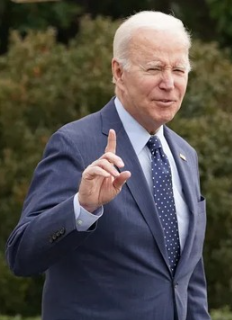
In a dramatic twist during a Fox News interview on Tuesday, David Sacks, a former adviser on crypto and AI from the Trump administration, charged that Senator Elizabeth Warren secretly operated President Biden’s autopen—the machine used to automate signatures—on major administration documents.
Speaking with host Jesse Watters, Sacks didn’t hold back. He stated that Warren “controlled the autopen during that administration,” tying her influence to Biden-era executive orders targeting cryptocurrency, which some say prompted a capital flight from the U.S. to offshore exchanges.
The accusation builds off a recent study by the Heritage Foundation’s Oversight Project, which found that almost all of Biden’s executive actions—including pardons—were signed using the autopen, except for a declaration by Biden ending his 2024 presidential campaign.
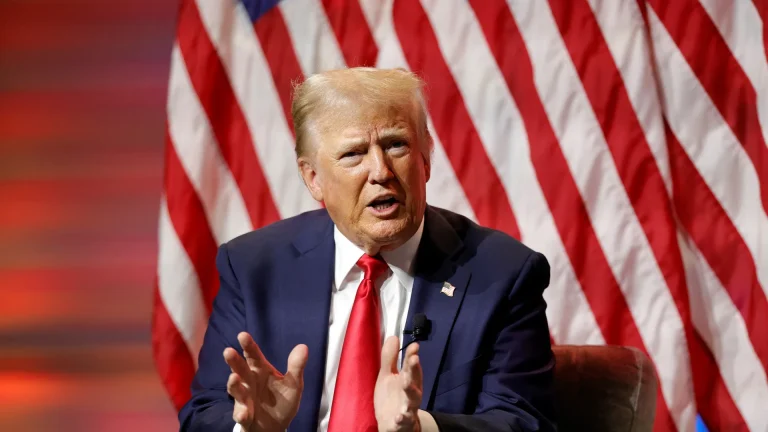
Trump himself has called the autopen use “disrespectful” and questioned whether Biden personally signed these orders. He’s now pointed to Sacks’ claim as confirmation that others may have signed in Biden’s name.
House Oversight Chair James Comer (R‑Ky.) has launched an inquiry into whether orders granted via the autopen had Biden’s actual approval. Comer warns that subpoenas might be issued if former aides refuse to cooperate. Over at the Department of Justice, new pardon attorney Ed Martin confirmed there is an ongoing investigation into the authenticity of Biden’s final pardons and the role the autopen may have played.
While Sacks presented no direct evidence, insisting his point focuses on crypto policy, it has reignited debate over who truly controlled the pen in the White House’s final days—and whether those orders can be legally contested.
The entire matter cuts to the heart of presidential authority: if the autopen was used without Biden’s knowledge, could significant actions like pardons be invalidated—and what does that mean for the rule of law?
Critics note that autopens are legally acceptable and have been used by past presidents, including Barack Obama, but Sacks and his allies argue that this incident reflects deeper concerns about hidden influence and transparency in governance.
As lawmakers dig deeper into the origins and intent behind these signatures, America faces key questions about accountability, presidential capacity, and how many hands truly directed the pen.

James Jenkins is a celebrated Pulitzer Prize-winning author whose work has reshaped the way readers think about social justice and human rights in America. Raised in Atlanta, Georgia, James grew up in a community that instilled in him both resilience and a strong sense of responsibility toward others. After studying political science and creative writing at Howard University, he worked as a journalist covering civil rights issues before dedicating himself fully to fiction. His novels are known for their sharp, empathetic portraits of marginalized communities and for weaving personal stories with broader political realities. Jenkins’s breakout novel, Shadows of Freedom, won national acclaim for its unflinching look at systemic inequality, while his more recent works explore themes of identity, resilience, and the fight for dignity in the face of oppression. Beyond his novels, James is an active public speaker, lecturing at universities and participating in nonprofit initiatives that support literacy and community empowerment. He believes that storytelling is a way to preserve history and inspire change. When not writing, James enjoys jazz music, mentoring young writers, and traveling with his family to explore cultures and stories around the world.