Tensions within the Republican Party have intensified following the fatal shooting of anti-ICE protester Alex Pretti in Minneapolis over the weekend, as state and national leaders grapple with the fallout from federal immigration enforcement operations in Minnesota. The incident, which has drawn widespread attention and criticism, has left the GOP confronting an unusual moment of internal dissent while the Trump administration seeks to defend its aggressive enforcement tactics.
Pretti, a 37-year-old ICU nurse, was shot by federal immigration officers during a clash tied to the ongoing “Operation Metro Surge,” a federal initiative targeting undocumented immigrants with criminal records. The operation, which has deployed thousands of federal agents to Minneapolis, has been a point of contention between the Trump administration and local authorities, particularly Minnesota’s Democratic governor, Tim Walz. While the administration framed the operation as a success in reducing crime and enforcing immigration laws, the death of Pretti has sparked protests and fierce debate over the conduct and oversight of federal agents.
Videos and witness reports from the scene indicate that Pretti, who was licensed to carry a firearm, did not brandish a weapon during the confrontation. Instead, he was reportedly holding a phone when officers descended upon him. A doctor who attempted to provide first aid afterward alleged that federal agents counted Pretti’s bullet wounds instead of immediately administering life-saving care. These accounts directly contradict official statements from the Department of Homeland Security (DHS), which claim that officers acted in self-defense. The discrepancies have fueled public outrage and led to calls for independent investigations into the use of lethal force.
Criticism of the administration’s handling of the incident has not been limited to Democrats. Vermont Governor Phil Scott, a Republican, publicly condemned the shooting, describing it as “murder” and calling the federal operations a “deliberate federal intimidation” of American citizens. Scott’s remarks highlight an emerging rift within the GOP, as several Republican officials express concern over both the legality and morality of the immigration crackdown.
Other prominent Republicans echoed similar sentiments. Oklahoma Governor Kevin Stitt called the shooting a “real tragedy” and pressed President Trump to clarify the objectives of the federal operation. “Nobody likes the feds coming to their states,” Stitt said. “And so what is the goal right now? Is it to deport every single non-US citizen? I don’t think that’s what Americans want.” Similarly, Nebraska Senator Pete Ricketts called for a “prioritized, transparent investigation” into the circumstances surrounding Pretti’s death, emphasizing that support for ICE funding does not mean sacrificing citizens’ right to protest.
Even within Congress, Republican leaders have signaled frustration. Representative James Comer of Kentucky suggested that the administration might reconsider the deployment of federal agents to Minneapolis if local officials were unwilling to cooperate, noting the risk to both officers and civilians. “If I were President Trump, I would almost think about if the mayor and the governor are going to put our ICE officials in harm’s way… then maybe go to another city and let the people of Minneapolis decide if they want to continue,” Comer said.
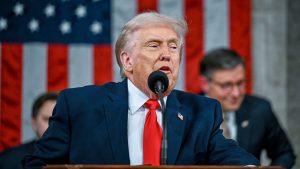
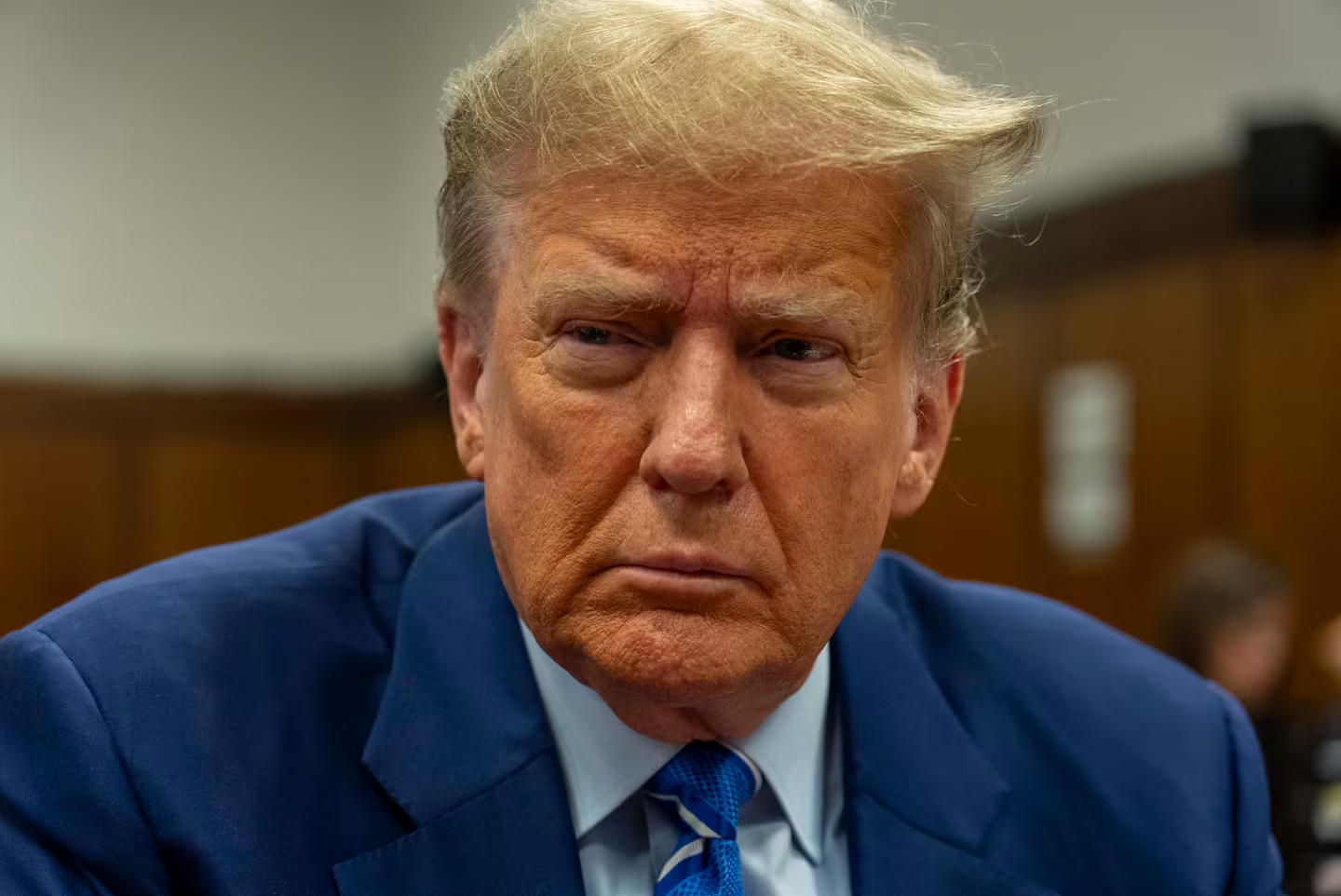
Despite the criticism from within his party, President Trump has remained steadfast in his defense of the operation. He publicly blamed Minnesota’s Democratic leadership for the confrontation and called on local authorities to formally cooperate with federal agents. In a social media post, Trump emphasized that the goal of Operation Metro Surge is to apprehend any individuals with criminal records and insisted that federal enforcement was being carried out lawfully.
Trump also sidelined Homeland Security Secretary Kristi Noem, citing concerns about her public messaging in the aftermath of Pretti’s death. Noem had referred to Pretti as a “domestic terrorist,” language that reportedly conflicted with Trump’s strategic approach to managing the situation. In her place, the President appointed longtime ICE veteran Tom Homan to oversee operations in Minnesota, signaling a desire to tighten control and refocus the federal presence on what he described as legitimate law enforcement targets.
The deadly incident sparked immediate civil unrest. On Sunday night, protesters gathered outside a Hilton hotel believed to be housing ICE agents. Demonstrators smashed windows, spray-painted the facade, and chanted slogans calling for the removal of federal officers from the city. Law enforcement officers responded with tear gas, further escalating tensions between the federal government and local communities.
Public opinion regarding the administration’s handling of immigration has shown signs of strain. According to a recent AP-NORC poll, only 38 percent of adults approved of Trump’s management of immigration policy in January, a significant decline from 49 percent in March of the previous year. The drop in approval reflects growing unease with aggressive enforcement tactics, particularly when federal operations result in civilian casualties.
Legal challenges have also emerged. Minnesota’s Attorney General, Keith Ellison, filed court motions in an effort to limit federal enforcement activities, citing concerns about the coordination and legality of the operations. The ongoing litigation underscores the tension between federal authority and state oversight, particularly in areas where local officials are skeptical of the administration’s approach.
Witness accounts and video evidence have intensified scrutiny of ICE’s actions. Reports suggest that Pretti was not actively threatening officers at the time he was shot. One physician who was present stated that he did not observe Pretti brandish a weapon and that ICE agents appeared more focused on the act of firing than on administering immediate medical care afterward. These allegations have raised questions about training, command protocols, and the broader rules of engagement for federal immigration officers.
The shooting also comes at a politically sensitive time for the Republican Party. Trump’s aggressive immigration policies have historically been a pillar of support among conservative voters. However, the backlash from Pretti’s death, combined with growing criticism from GOP officials, threatens to fracture the party’s traditional unity. Balancing the enforcement agenda with the need to maintain public support has become a pressing challenge for both the President and congressional allies.
While Trump and his administration continue to defend the operation, the incident has highlighted a broader debate over federal authority and public safety. Critics argue that the aggressive tactics in Minneapolis have inflamed local tensions and unnecessarily placed civilians and law enforcement officers in harm’s way. Supporters maintain that decisive action against criminal activity among undocumented immigrants is essential for maintaining law and order.
As investigations proceed, questions remain about the coordination between federal agents and local authorities, the adequacy of training and rules of engagement, and the transparency of official accounts. Calls for independent oversight are growing louder, with some Republicans explicitly demanding accountability and a review of federal enforcement protocols.
For now, the city of Minneapolis continues to experience heightened tension and community unrest. Protesters remain vocal, residents are wary of federal operations, and state officials are navigating the difficult task of protecting citizens while cooperating, to some extent, with federal mandates. The situation presents a complex interplay between law enforcement, civil liberties, and political maneuvering, highlighting the challenges of implementing controversial policies in a polarized national landscape.
As the national conversation unfolds, the shooting of Alex Pretti serves as a stark reminder of the potential consequences when aggressive federal action intersects with local governance and civil protest. Lawmakers, both Republican and Democrat, continue to call for thorough investigations, while public opinion grapples with the delicate balance between security and individual rights. The repercussions of this event are likely to shape not only immigration policy but also broader debates about accountability, oversight, and the limits of federal authority in domestic enforcement operations.

James Jenkins is a celebrated Pulitzer Prize-winning author whose work has reshaped the way readers think about social justice and human rights in America. Raised in Atlanta, Georgia, James grew up in a community that instilled in him both resilience and a strong sense of responsibility toward others. After studying political science and creative writing at Howard University, he worked as a journalist covering civil rights issues before dedicating himself fully to fiction. His novels are known for their sharp, empathetic portraits of marginalized communities and for weaving personal stories with broader political realities. Jenkins’s breakout novel, Shadows of Freedom, won national acclaim for its unflinching look at systemic inequality, while his more recent works explore themes of identity, resilience, and the fight for dignity in the face of oppression. Beyond his novels, James is an active public speaker, lecturing at universities and participating in nonprofit initiatives that support literacy and community empowerment. He believes that storytelling is a way to preserve history and inspire change. When not writing, James enjoys jazz music, mentoring young writers, and traveling with his family to explore cultures and stories around the world.