The political landscape in Washington, D.C., is set for a major shift after the city’s longtime leadership announced it will not seek re-election, leaving the district’s top office open amid ongoing federal involvement in local affairs. The decision comes at a time when the city has been navigating an unprecedented level of federal oversight, following actions taken by President Donald Trump earlier this year that have placed local law enforcement and National Guard operations under federal direction.
The announcement was made via a social media video on Tuesday, in which the outgoing mayor highlighted the importance of civic cooperation and resilience. While the statement did not directly mention Trump or the federal interventions, it emphasized the need for collective strength and determination in the face of challenges to the city’s autonomy, urging residents to “stand tall against bullies who threaten our very autonomy while preserving Home Rule. That is our North Star.”
A tumultuous tenure in the nation’s capital
The mayor, who has served three terms since first being elected in 2014, oversaw a city that is deeply intertwined with the federal government. While the district enjoys a degree of self-governance under the Home Rule Act of 1973, Congress retains substantial control over local laws and budgets. This unique arrangement has long complicated municipal leadership, requiring careful navigation of both local priorities and federal oversight.
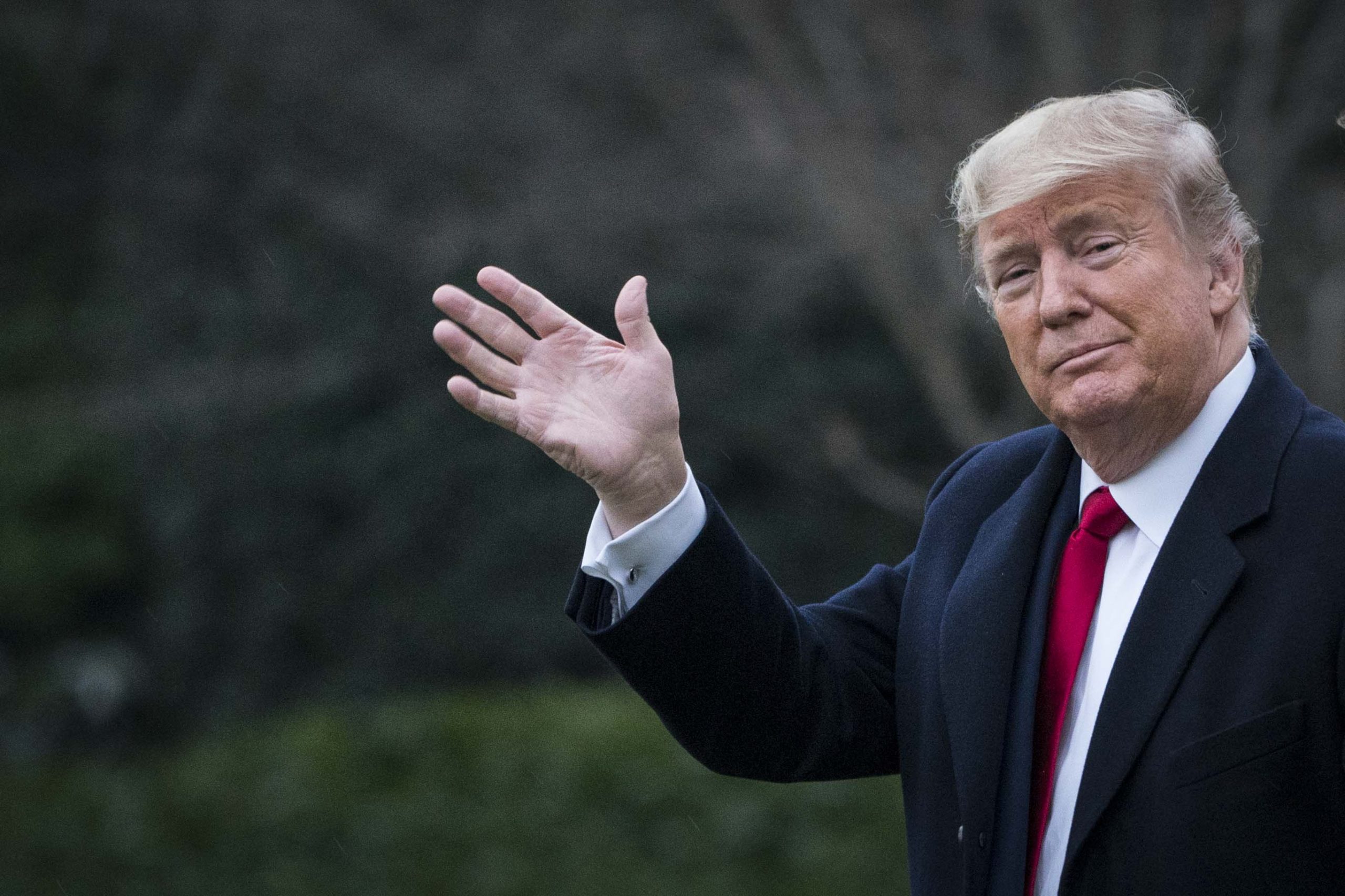
The most recent term proved particularly tumultuous, as city leadership confronted federal intervention unprecedented in its scope. In August, President Trump issued an emergency order that effectively federalized Washington, D.C.’s police force and deployed hundreds of National Guard troops to the city, citing a mission to combat crime. While the initial emergency period has technically ended, federal law enforcement and National Guard personnel from both the district and several states remain active in the city, even as legal challenges continue.
City residents have expressed mixed reactions to the federal presence. Some have voiced cautious support, acknowledging the temporary reduction in crime that accompanied the intervention, while others remain wary of what they perceive as politically motivated actions undermining local governance.
Navigating federal oversight
Throughout this period, the mayor demonstrated a balancing act, cooperating with federal initiatives while also attempting to safeguard the city’s interests. City workers were mobilized to clear homeless encampments and collaborate with federal immigration authorities, reflecting an effort to work within the framework imposed by the federal administration. At the same time, the mayor publicly criticized aspects of the federal deployment, arguing that resources such as the D.C. National Guard might be better allocated to pressing city needs rather than federally directed crime operations. The city also maintained its stance against cooperating with federal immigration enforcement operations that extended beyond federal oversight.
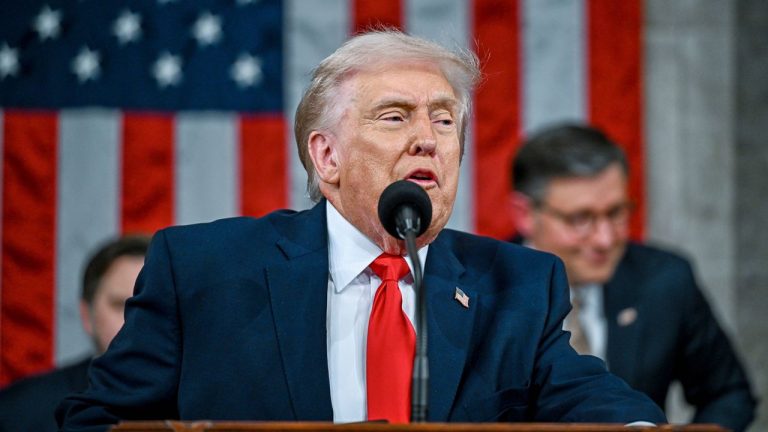
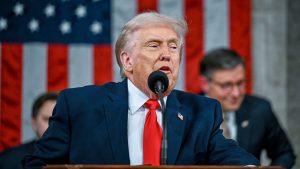
While some constituents and members of the city council criticized the mayor for what they saw as insufficient pushback against Trump, the administration itself praised the collaboration. Speaking on Tuesday evening, the president noted, “I got along with her very well,” asserting that the federal intervention had made the city “better.”
Legal battles and political tension
The federal intervention has sparked significant legal challenges. The district’s attorney general filed a lawsuit claiming that the National Guard deployment violated local autonomy. A federal judge ruled in favor of the city on November 20, ordering the cessation of the deployment. The Trump administration has appealed the ruling, and additional plaintiffs continue to challenge both the federal presence and actions undertaken by U.S. Immigration and Customs Enforcement during the intervention.
Legal disputes, coupled with ongoing federal involvement, have created a fraught political environment for city leadership. Historians and political analysts have described the past year as one of the most intrusive periods in the city’s recent history. Matthew Dallek, a historian and professor of political management at George Washington University, characterized the federal actions as “heavy handed” and emphasized that the city’s lack of control over its own affairs has been starkly evident. Dallek described the period as “a pretty precarious time for the city,” noting that while this does not excuse any of the mayor’s decisions, it underscores the unique challenges facing municipal leadership in the nation’s capital.
Achievements amid adversity
Despite the turbulence, the mayor’s tenure has included notable accomplishments. Among them, the administration successfully facilitated the return of a National Football League franchise to the city, coordinated plans for a new stadium, and played a key role in maintaining the city’s NBA and NHL teams. These successes highlight the mayor’s ability to navigate complex negotiations and deliver tangible outcomes for residents.
Additionally, the mayor focused on securing essential funding from Congress, including efforts to release approximately $1 billion of city funding that had been frozen during federal budget disputes. These financial achievements were critical in ensuring the continuity of city services and mitigating the effects of federal workforce reductions and departmental budget cuts.
On social issues, the mayor also made difficult decisions, such as the removal of the “Black Lives Matter” plaza located near the White House. This action, taken under pressure from congressional Republicans, drew criticism from some residents but reflected the ongoing balancing act between local priorities, federal oversight, and political pressures.
Preparing for the next chapter
With the mayor stepping down, the field is open for potential successors. Several city council members have already expressed interest in pursuing higher office, including the city’s U.S. House delegate seat. Robert White Jr. and Brooke Pinto have declared their candidacy, while Janeese Lewis George remains a possible contender. The upcoming election will test the city’s political resilience as residents weigh candidates’ ability to navigate federal oversight, maintain local autonomy, and address ongoing civic challenges.
City Council member Kenyan R. McDuffie issued a statement praising the outgoing mayor’s leadership, particularly in housing, education, public safety, and economic development. “As we look ahead to the upcoming year for the District, I have no doubt that Mayor Bowser will continue to be a tireless partner in improving the quality of life for all residents across the city,” McDuffie said, highlighting the enduring impact of her leadership even as she prepares to leave office.
A legacy shaped by complexity
The mayor’s decision not to run for a fourth term reflects both personal and political considerations. Serving during a period marked by unusual federal oversight, high-profile legal disputes, and ongoing public scrutiny, her tenure underscores the delicate balance required in the nation’s capital. While critics have questioned her choices, supporters emphasize her pragmatic approach and focus on maintaining stability amid extraordinary circumstances.
Her leadership during the Trump administration’s intervention demonstrates the challenges inherent in governing a city that, while technically autonomous, remains heavily influenced by federal authority. Navigating federal directives, legal constraints, and constituent expectations simultaneously has required skill, patience, and strategic thinking—qualities that will likely influence perceptions of her legacy.
As the city prepares for a competitive mayoral race, residents will be closely observing how candidates respond to ongoing federal involvement, public safety initiatives, and local governance challenges. The next mayor will inherit a city that has experienced an unprecedented degree of federal oversight, along with a legacy of achievements and initiatives intended to strengthen the district’s civic and economic vitality.
Conclusion
The departure of the D.C. mayor marks a significant political moment for the city. While the administration has faced intense scrutiny over cooperation with federal law enforcement and National Guard deployments, it has also navigated difficult negotiations with Congress, secured critical funding, and maintained essential city services. As Washington, D.C., residents prepare to elect new leadership, the legacy of the outgoing mayor will serve as both a cautionary tale and a blueprint for balancing local autonomy with federal oversight.

Emily Johnson is a critically acclaimed essayist and novelist known for her thought-provoking works centered on feminism, women’s rights, and modern relationships. Born and raised in Portland, Oregon, Emily grew up with a deep love of books, often spending her afternoons at her local library. She went on to study literature and gender studies at UCLA, where she became deeply involved in activism and began publishing essays in campus journals. Her debut essay collection, Voices Unbound, struck a chord with readers nationwide for its fearless exploration of gender dynamics, identity, and the challenges faced by women in contemporary society. Emily later transitioned into fiction, writing novels that balance compelling storytelling with social commentary. Her protagonists are often strong, multidimensional women navigating love, ambition, and the struggles of everyday life, making her a favorite among readers who crave authentic, relatable narratives. Critics praise her ability to merge personal intimacy with universal themes. Off the page, Emily is an advocate for women in publishing, leading workshops that encourage young female writers to embrace their voices. She lives in Seattle with her partner and two rescue cats, where she continues to write, teach, and inspire a new generation of storytellers.