

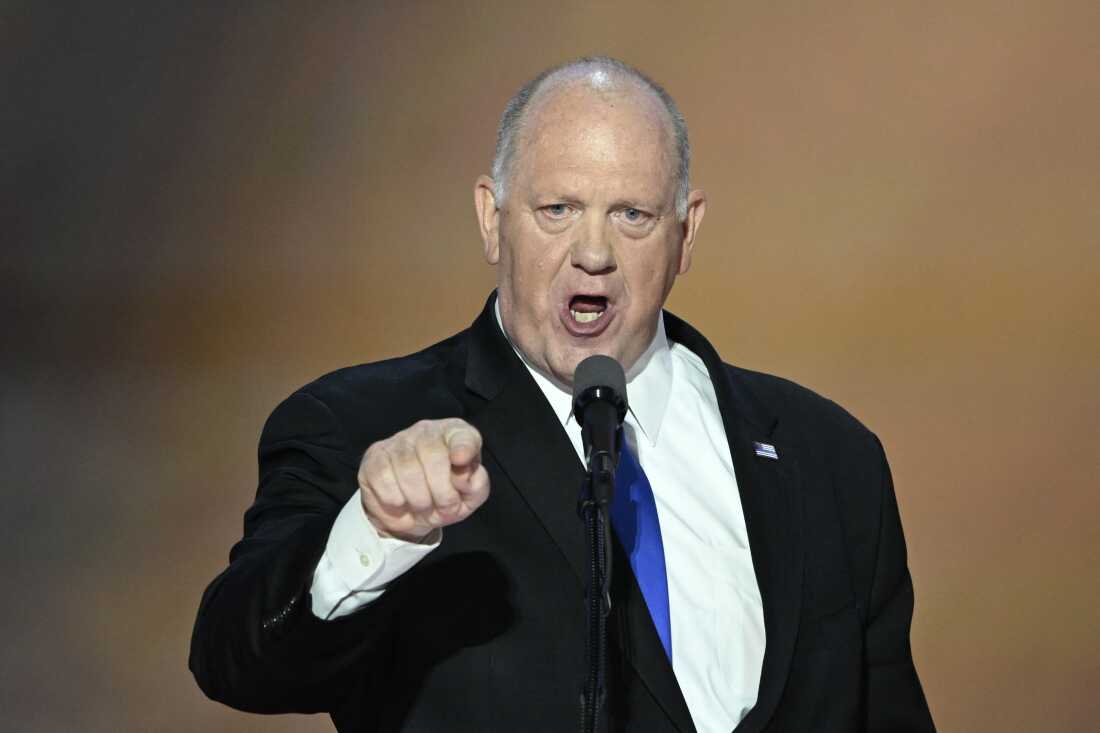
The federal government’s intensified immigration enforcement operation in Minneapolis is drawing to a close, but White House border adviser Tom Homan made clear this week that federal authorities remain prepared to return if circumstances warrant.
Speaking during a Thursday evening interview, Homan said the large-scale enforcement effort known as “Operation Metro Surge” would conclude in Minnesota, following similar wind-downs in cities such as New Orleans, Los Angeles and Charlotte. However, he emphasized that the end of the surge does not signal a full withdrawal of federal immigration enforcement from the state.
“This is ending the surge, but we’re not going away,” Homan said. “If we need to come back, we’ll come back.”
The operation, which began in November, has resulted in more than 4,000 apprehensions of individuals described by the Department of Homeland Security (DHS) as being in the country unlawfully. According to federal officials, the effort targeted individuals with criminal records, outstanding warrants or prior deportation orders.
Homan, who was appointed by President Donald Trump to oversee immigration enforcement strategy, said he had recommended to the president that the surge phase be concluded after what he characterized as months of operational success.
“We’re not walking away from anything,” Homan said. “We achieved what we came here for. But if we need to come back, we’ll come back.”
What Was Operation Metro Surge?
Operation Metro Surge represented a concentrated deployment of federal immigration agents, investigative personnel and support staff to the Minneapolis metropolitan area. According to DHS, the surge was designed to address what officials described as a backlog of immigration enforcement cases and to increase coordination with state and local authorities.
In addition to arrest operations, federal officials said hundreds of agents would remain in Minnesota to continue investigating alleged fraud within certain community networks and to examine protest activity that occurred at a local church earlier this year. Those investigations remain ongoing.
Federal authorities have framed the initiative as part of a broader national strategy aimed at prioritizing individuals with criminal convictions and strengthening cooperation between Immigration and Customs Enforcement (ICE) and local law enforcement agencies.
White House Press Secretary Karoline Leavitt described the operation as a “resounding success,” noting that more than 4,000 individuals characterized as “illegal alien criminals” had been detained and, in many cases, deported.
“While the federal surge is coming to an end, immigration enforcement in Minnesota absolutely will not,” Leavitt said during a Friday briefing.
She added that nearly every county in Minnesota has agreed to notify ICE when individuals identified as being in the country unlawfully are scheduled for release from local jails — a development the administration has cited as evidence of improved cooperation.
Local Resistance and Escalating Tensions
Despite federal claims of success, Operation Metro Surge generated significant opposition from local leaders and segments of the Minneapolis community.
Minneapolis Mayor Jacob Frey expressed skepticism regarding the federal government’s announcement that the surge would end. While acknowledging the announcement, Frey indicated that local officials would wait to see how enforcement activities change in practice.
“We’ll believe Operation Metro Surge is coming to an end when we see it,” Frey said in a public statement. He also praised city residents who had voiced concerns about the federal presence, calling them “great neighbors and great Americans.”
Minnesota Governor Tim Walz took a sharper tone, arguing that the operation had caused disruption beyond immigration enforcement itself. Walz asserted that the surge negatively affected local businesses, schools and broader economic activity in the region.
“The economic impact has been real,” Walz said in remarks earlier this week. “There’s a long road to recovery.”
Critics of the surge contend that aggressive enforcement actions created fear within immigrant communities, discouraged residents from interacting with local institutions and strained trust between federal authorities and city leadership.
Fatal Incidents Heighten Scrutiny
Tensions escalated in January when two individuals — Renee Good and Alex Pretti — were shot and killed during federal enforcement operations. According to authorities, the incidents occurred during separate attempts to detain individuals as part of immigration enforcement actions.
Federal officials have maintained that agents acted in accordance with established use-of-force policies, but the incidents prompted protests and renewed debate about the scope and tactics of immigration enforcement.
Community advocates called for greater transparency and independent review of the circumstances surrounding the shootings. Some local leaders argued that the events underscored the risks associated with large-scale federal operations in densely populated urban environments.
The Department of Homeland Security has not released detailed findings from any internal reviews but has stated that investigations into the incidents are ongoing.
Broader National Context
Operation Metro Surge is part of a broader national immigration strategy under the Trump administration, which has emphasized increased interior enforcement and expanded cooperation agreements between ICE and local law enforcement agencies.
In recent months, federal authorities have launched similar targeted operations in several major cities. Officials describe these efforts as time-limited surges intended to address concentrated enforcement priorities before transitioning to routine monitoring and coordination.
Homan’s comments indicate that Minneapolis may continue to see a federal presence, albeit at lower intensity. “This is ending the surge,” he said, “but we’re not going away.”
Policy analysts note that surge operations often serve dual purposes: addressing specific enforcement goals while signaling federal commitment to immigration priorities. Whether such operations produce lasting deterrent effects remains a subject of debate among scholars and policymakers.
Cooperation and Controversy
Administration officials have pointed to expanded cooperation from Minnesota counties as a key achievement. According to the White House, local authorities in nearly every county now notify ICE when individuals identified as non-citizens with criminal charges are being released from custody.
Supporters argue that such coordination enhances public safety and ensures that individuals subject to deportation proceedings do not evade federal authorities. Critics, however, warn that entangling local law enforcement with federal immigration policy can erode community trust and discourage crime reporting among immigrant populations.
The issue has long divided policymakers across the country. Supporters of sanctuary policies maintain that limiting cooperation with federal immigration authorities improves community policing and public safety outcomes. Opponents argue that cooperation is essential to enforcing federal law and maintaining border integrity.
What Comes Next?
With the formal surge ending, attention now turns to how immigration enforcement will function in Minneapolis moving forward. Federal officials have made clear that hundreds of special agents will remain in Minnesota to continue investigations related to alleged fraud and protest activity, even as large-scale arrest operations scale back.
Local leaders are likely to monitor federal activity closely to assess whether the promised wind-down materializes in practice. Community groups have called for ongoing dialogue between federal authorities and city officials to reduce tensions and clarify enforcement priorities.
Meanwhile, the political implications of Operation Metro Surge are likely to reverberate beyond Minnesota. Immigration enforcement remains one of the most polarizing issues in national politics, and operations such as this one often serve as flashpoints in broader debates about federal authority, local autonomy and civil liberties.
For the Trump administration, officials have framed the operation as evidence of decisive action and effective intergovernmental coordination. For critics, it represents a disruptive federal intervention with lasting social and economic consequences.
As Homan concluded in his remarks, the federal government considers the surge phase complete — but not its commitment to enforcement in Minnesota.
“If we need to come back,” he said, “we’ll come back.”

Emily Johnson is a critically acclaimed essayist and novelist known for her thought-provoking works centered on feminism, women’s rights, and modern relationships. Born and raised in Portland, Oregon, Emily grew up with a deep love of books, often spending her afternoons at her local library. She went on to study literature and gender studies at UCLA, where she became deeply involved in activism and began publishing essays in campus journals. Her debut essay collection, Voices Unbound, struck a chord with readers nationwide for its fearless exploration of gender dynamics, identity, and the challenges faced by women in contemporary society. Emily later transitioned into fiction, writing novels that balance compelling storytelling with social commentary. Her protagonists are often strong, multidimensional women navigating love, ambition, and the struggles of everyday life, making her a favorite among readers who crave authentic, relatable narratives. Critics praise her ability to merge personal intimacy with universal themes. Off the page, Emily is an advocate for women in publishing, leading workshops that encourage young female writers to embrace their voices. She lives in Seattle with her partner and two rescue cats, where she continues to write, teach, and inspire a new generation of storytellers.