NOTE: VIDEO + X post at the end of the article.
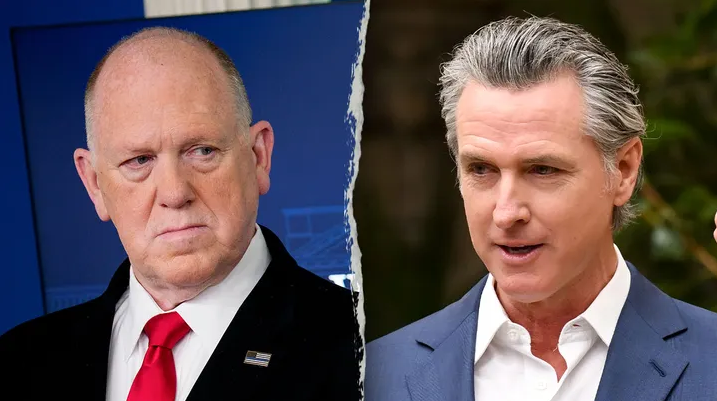
As violent anti-ICE demonstrations swept through Los Angeles and neighboring areas this past weekend, tensions between California officials and the federal government surged. In the middle of the controversy stood Governor Gavin Newsom and former Acting ICE Director Tom Homan, who didn’t hold back when responding to Newsom’s criticism.
The conflict was triggered after President Donald Trump authorized the deployment of 2,000 National Guard troops to Southern California. The move came in response to escalating chaos during protests tied to recent immigration enforcement actions. Reports described increasing violence—federal officers were assaulted, property was vandalized, and public safety appeared to be deteriorating rapidly.
While the White House framed the decision as a necessary measure to restore order and protect federal personnel, Governor Newsom lashed out at the Trump administration. He condemned the deployment as a “political spectacle” and warned that involving the military could further damage already strained relationships between law enforcement and communities.
Newsom’s comments sparked immediate backlash, particularly from Tom Homan, who has long been a vocal advocate for strong immigration enforcement. In a widely circulated interview, Homan accused the governor of playing politics while ignoring the safety of both officers and citizens.
“This is not about politics—this is about law and order,” Homan said. “The men and women of ICE and other federal agencies are under attack, and Governor Newsom is more concerned about optics than protecting the people of California.”
Homan emphasized that the deployment of the National Guard was not an overreach but a necessary response to a crisis spiraling out of control. “You have rioters throwing Molotov cocktails, destroying federal property, and physically attacking agents. If this isn’t the time to act, then when is it?”
Adding to the controversy, some media outlets highlighted apparent contradictions in local officials’ responses. The LAPD, for instance, referred to the protests as “mostly peaceful,” even as footage showed rioters setting cars on fire and clashing with law enforcement.
Homan argued that such mixed messaging only emboldens violent actors. “When you excuse criminal behavior under the guise of peaceful protest, you’re sending the wrong message—and our officers are the ones paying the price.”
As the situation develops, the clash between state and federal leaders continues to intensify. With public safety and political accountability both on the line, the nation is watching closely to see how California responds to this volatile moment.
PLAY:
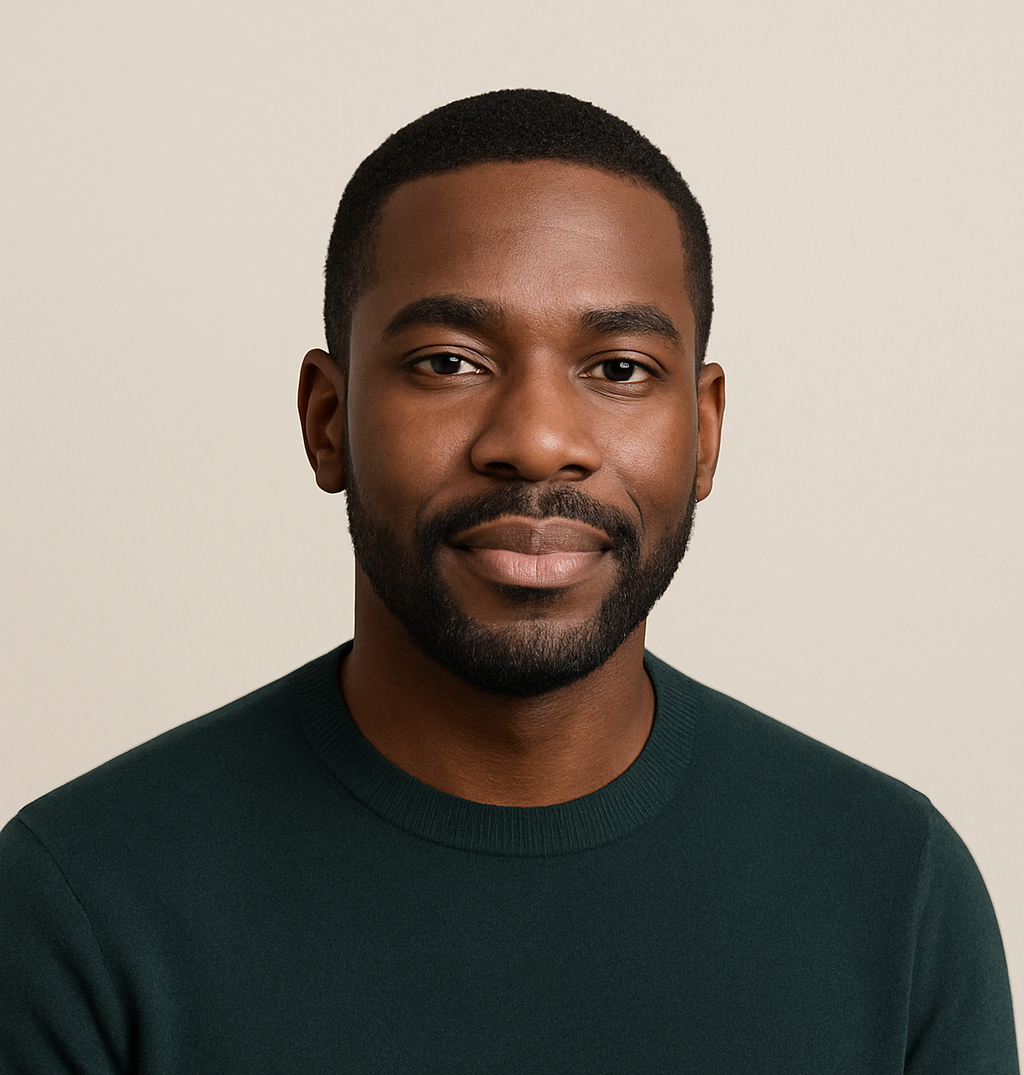
James Jenkins is a celebrated Pulitzer Prize-winning author whose work has reshaped the way readers think about social justice and human rights in America. Raised in Atlanta, Georgia, James grew up in a community that instilled in him both resilience and a strong sense of responsibility toward others. After studying political science and creative writing at Howard University, he worked as a journalist covering civil rights issues before dedicating himself fully to fiction. His novels are known for their sharp, empathetic portraits of marginalized communities and for weaving personal stories with broader political realities. Jenkins’s breakout novel, Shadows of Freedom, won national acclaim for its unflinching look at systemic inequality, while his more recent works explore themes of identity, resilience, and the fight for dignity in the face of oppression. Beyond his novels, James is an active public speaker, lecturing at universities and participating in nonprofit initiatives that support literacy and community empowerment. He believes that storytelling is a way to preserve history and inspire change. When not writing, James enjoys jazz music, mentoring young writers, and traveling with his family to explore cultures and stories around the world.