The arrest and removal of Venezuelan leader Nicolás Maduro by the United States has triggered a swift and vocal backlash from governments across the globe, with several countries openly condemning President Donald Trump for what they describe as a dangerous escalation and a violation of international law.
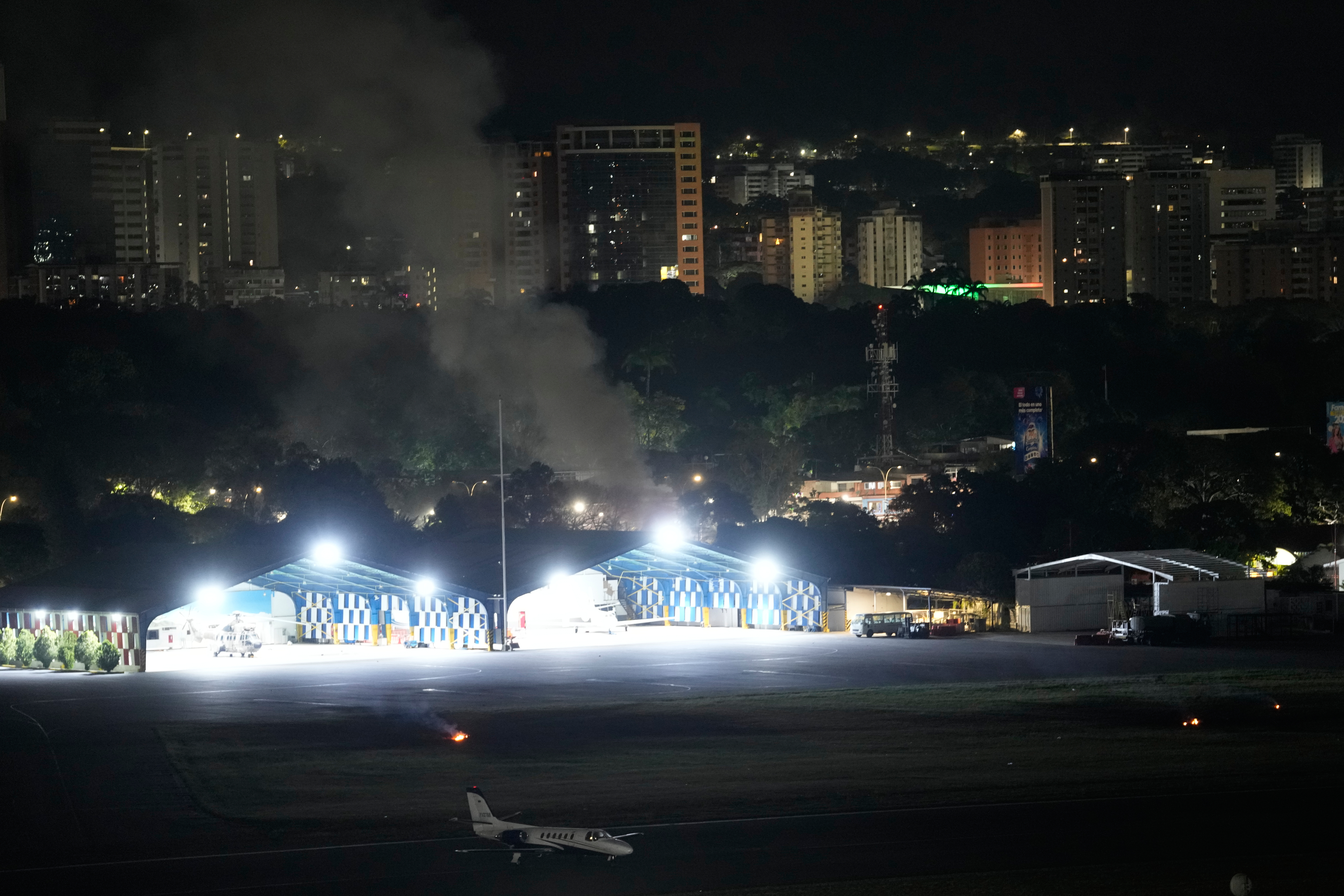
Trump announced the capture in a dramatic social media post, declaring that Maduro and his wife had been “captured and flown out of the country” following a U.S. military operation in Caracas. While supporters hailed the move as a bold stand against narco-terrorism and authoritarian rule, critics abroad quickly moved to denounce the action as illegal, destabilizing, and unprecedented.
What followed was a cascade of diplomatic rebukes that revealed deep divisions over U.S. power, sovereignty, and the limits of military intervention.
Russia Denounces ‘Armed Aggression’
One of the strongest reactions came from Russia, whose Foreign Ministry labeled the operation an “act of armed aggression” against a sovereign nation.
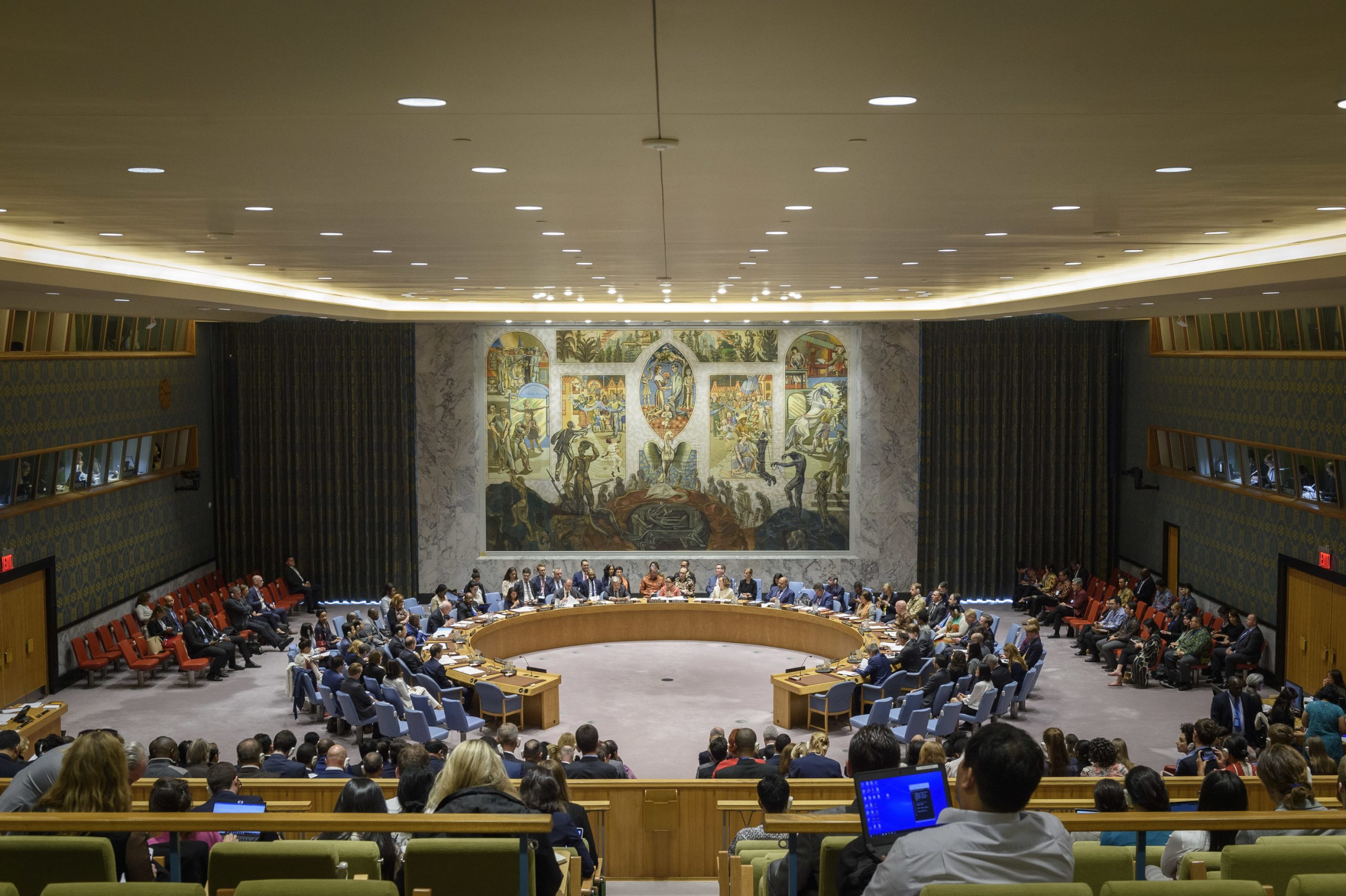
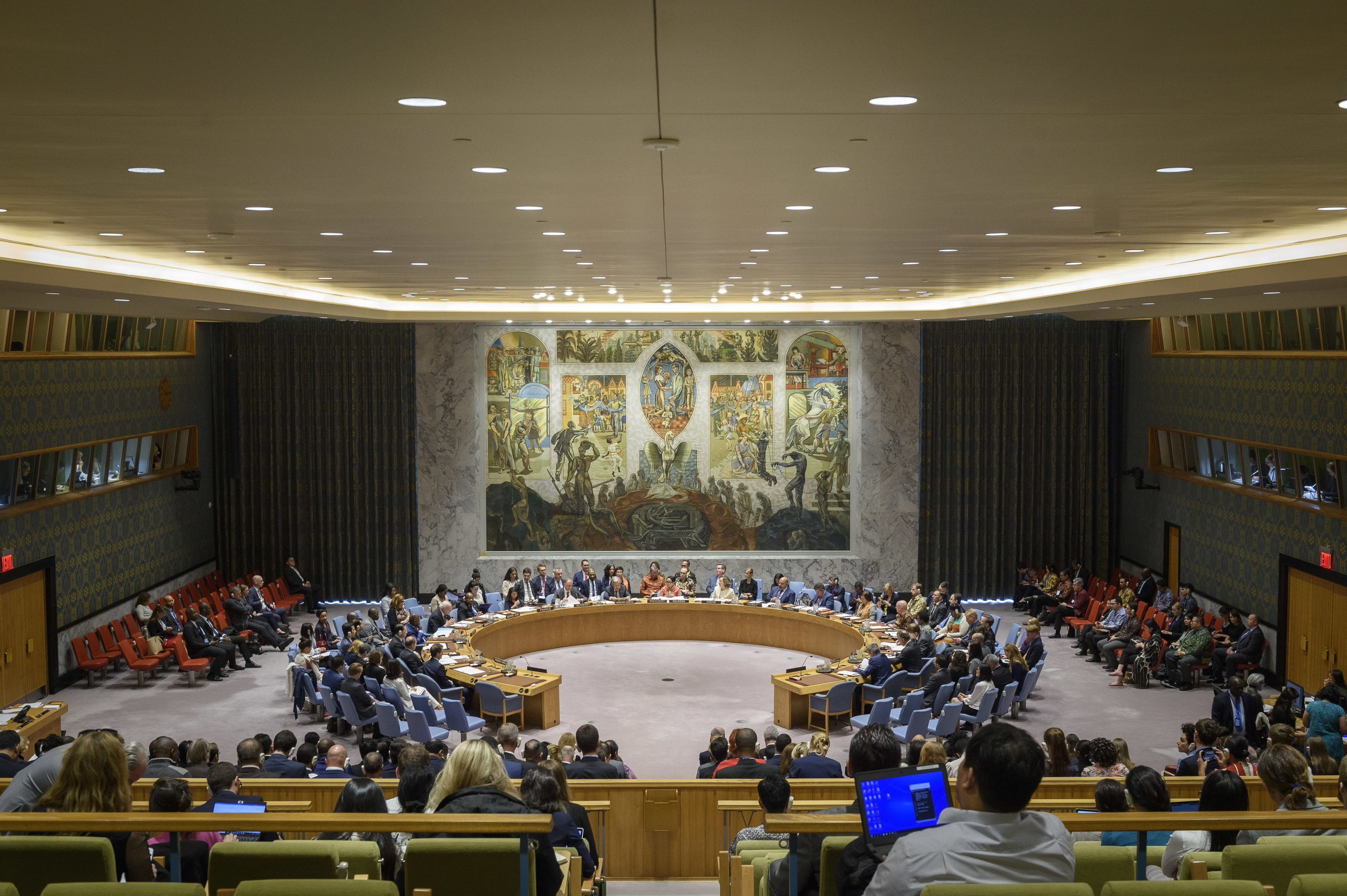
Russian officials accused Washington of setting a reckless precedent that undermines international norms and warned that the arrest could destabilize the entire region. Moscow reiterated its “solidarity with the Venezuelan people and government” and called for an emergency meeting of the United Nations Security Council.
Russian state media framed the arrest as proof that the United States is willing to use military force to remove leaders it opposes, a narrative likely to resonate with countries wary of American interventionism.
Iran Calls Arrest a Violation of Sovereignty
Iran also condemned the operation, calling it a “blatant violation of national sovereignty and territorial integrity.”
Iranian officials warned that such actions erode the foundations of international law and increase the risk of global instability. Tehran argued that disputes involving national leaders should be resolved through diplomacy, not force, and accused Washington of acting as “judge, jury, and executioner” on the world stage.
The statement reflects Iran’s long-standing opposition to U.S. military interventions and its broader concerns about unilateral American power.
Latin American Governments Push Back
Several Latin American nations expressed alarm, saying the arrest threatens regional stability and revives memories of Cold War–era interventions.
Chile formally condemned the action, with its president calling for a peaceful resolution to Venezuela’s crisis and warning that military intervention risks inflaming tensions across South America.
Colombia, Venezuela’s neighbor, rejected the operation as an attack on sovereignty and announced that it had placed security forces on alert along its border, citing concerns about refugees and spillover violence.
Cuba issued one of the harshest statements, accusing the United States of carrying out a “criminal attack” and urging the international community to respond forcefully against Washington’s actions.
European Reactions: Condemnation and Caution
Reaction from Europe was more measured but still critical.
Spain called for de-escalation and urged all parties to respect the principles of the United Nations Charter. Spanish officials said that while Venezuela’s political crisis is severe, it must be resolved through lawful and peaceful means.
The European Union’s foreign policy leadership reiterated that Maduro lacks democratic legitimacy but stressed that even unpopular leaders are entitled to due process under international law. European officials warned that bypassing these principles could weaken the very legal frameworks democracies rely upon.
Notably, some European lawmakers stopped short of outright condemnation, instead urging clarity on the legal justification for the arrest.
Caribbean Nations Express Alarm
In the Caribbean, leaders expressed concern about regional security and economic fallout.
Trinidad and Tobago emphasized that it did not participate in the operation and continues to seek peaceful relations with Venezuela. Officials there said the arrest could disrupt trade, energy markets, and regional stability.
Other Caribbean governments privately expressed fears that escalating tensions could impact shipping routes, oil supplies, and tourism — key economic pillars for small island nations.
Divisions Even Among Allies
Even among traditional U.S. allies, Trump’s move sparked debate.
In the United Kingdom, lawmakers were split. Some criticized the arrest as illegal and motivated by resource interests, while others suggested that if the operation deters authoritarian regimes aligned with rivals like China and Russia, it could have strategic benefits.
These divisions underscore how Trump’s decision has complicated alliances, forcing governments to balance legal principles against geopolitical realities.
Venezuela’s Government Demands Proof of Life
Venezuela’s vice president publicly demanded “proof of life” for Maduro and his wife, saying the government had not been informed of their whereabouts.
Officials in Caracas accused the United States of kidnapping and vowed to pursue international legal remedies. State television urged citizens to mobilize in protest, while authorities declared a state of emergency and activated national defense plans.
The rhetoric inside Venezuela has grown increasingly defiant, with leaders framing Maduro as a victim of foreign aggression rather than a criminal defendant.
Trump Defends the Arrest
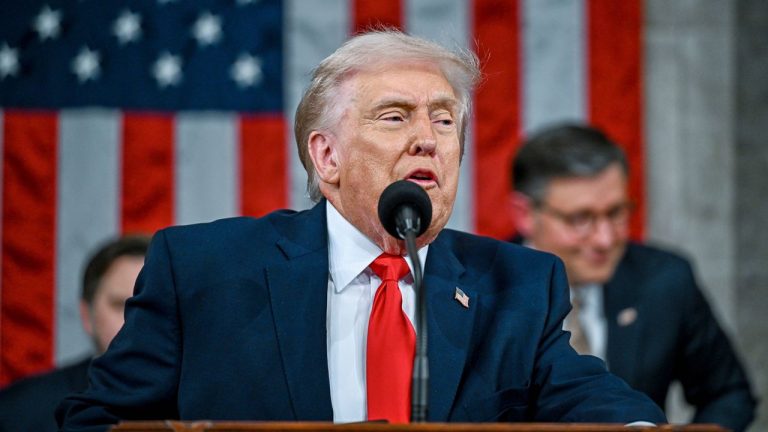
Trump, for his part, has shown no sign of backing down. He has defended the arrest as a necessary action to combat drug trafficking, corruption, and what he describes as a criminal regime that posed a threat to U.S. national security.
Administration officials argue that Maduro forfeited any claim to sovereignty protections through his alleged involvement in narco-terrorism. They say the operation sends a clear message that no leader is beyond accountability.
Supporters see the move as a demonstration of American strength, while critics warn it could invite retaliation or long-term instability.
A Precedent With Global Consequences
Legal scholars say the arrest could redefine how international law treats heads of state accused of serious crimes. If the U.S. proceeds with prosecution, it may embolden other countries to pursue similar actions — or justify future interventions under the banner of justice.
Opponents argue that such precedents could be abused, allowing powerful nations to remove leaders they oppose under the guise of law enforcement.
What Comes Next
As Maduro prepares to face trial in the United States, diplomatic tensions continue to rise. Countries condemning the arrest are pushing for international intervention, while supporters of Trump’s move argue that decisive action was long overdue.
The global reaction makes one thing clear: Trump’s arrest of Maduro has not only reshaped Venezuela’s future, but has also ignited a worldwide debate over power, sovereignty, and justice — one that is far from over.