


NOTE: VIDEO AT THE END OF THE ARTICLE.
On June 14, 2025, two powerful visions of America clashed—not on a debate stage or in the halls of Congress, but across streets, skies, and screens. One was a massive military parade in Washington, D.C., the other a sea of protests erupting in cities nationwide. Together, they formed a moment that reflected the sharp divides shaping the nation’s political and cultural identity.
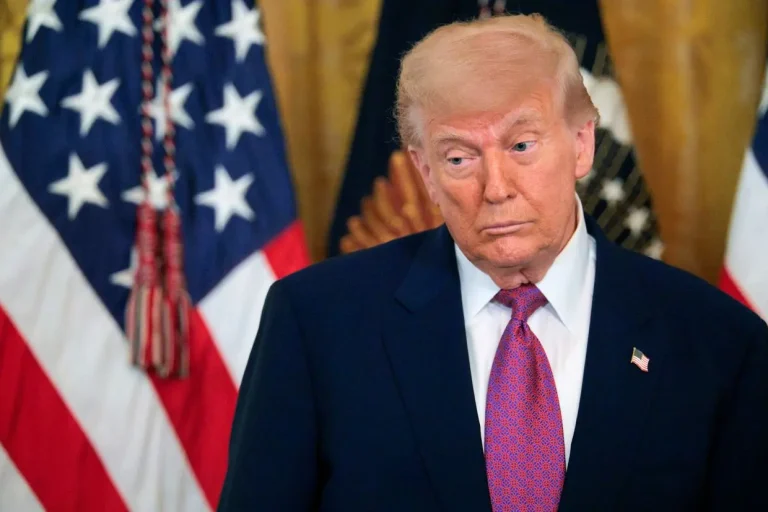
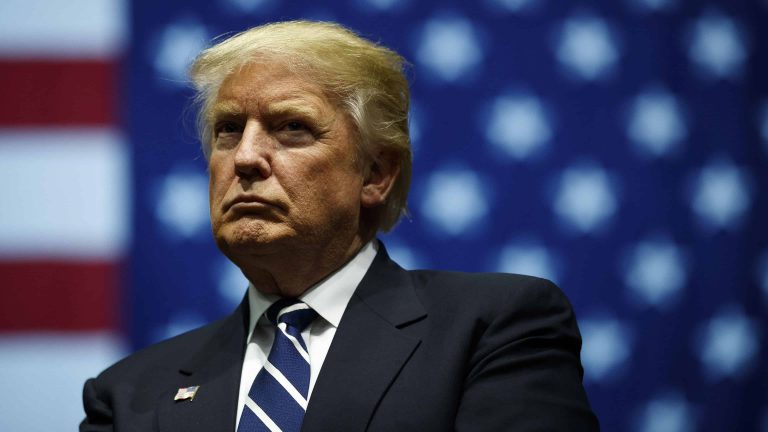
The U.S. Army’s 250th anniversary parade was a logistical and symbolic showcase. Timed to coincide with both Flag Day and President Trump’s 79th birthday, the spectacle featured over 6,600 troops, dozens of military aircraft, tanks, and even historical reenactments. Constitution Avenue became a stage for power and pride, echoing a legacy of American strength. Soldiers in Revolutionary War attire marched alongside modern infantry, while military jets flew in choreographed formations overhead.
Yet the grandeur masked underlying tensions. Attendance was notably sparse, with large sections of bleachers empty. The event’s estimated cost—between $25 million and $45 million—sparked backlash from both fiscal conservatives and progressive critics. The scale and symbolism of the parade led many to question whether it was a celebration of the military or a political tribute centered on Trump himself.
While the capital focused upward at the jets, the rest of the country looked inward—and outward. That same day, a wave of coordinated protests under the banner “No Kings” erupted across all 50 states. Organized by more than 200 progressive groups, the movement framed itself as a national response to perceived authoritarianism. Demonstrators invoked revolutionary imagery, carrying signs like “Resisting the Crown Since 1776” and “We Have No Kings.”
Protest attendance far outpaced the crowd in Washington, with over 5 million people estimated to have participated in more than 2,000 separate events. While largely peaceful, tensions in cities like Los Angeles led to clashes with law enforcement, including the use of tear gas and multiple arrests.
Amid this backdrop, Hillary Clinton entered the fray with a viral social media post that poured fuel on an already blazing national conversation. On Sunday morning, she shared contrasting images: empty seats from the parade and packed crowds from the protests. Her caption called the event a “low-energy Dear Leader parade,” a pointed reference to Trump’s admiration for authoritarian figures and a sharp jab using his own favorite insult.
By Sunday evening, the battle wasn’t just in the streets or on the avenues—it was online, on cable news, and in every corner of the American consciousness. One day. Two narratives. And a nation still deciding which story it believes.
PLAY:

James Jenkins is a celebrated Pulitzer Prize-winning author whose work has reshaped the way readers think about social justice and human rights in America. Raised in Atlanta, Georgia, James grew up in a community that instilled in him both resilience and a strong sense of responsibility toward others. After studying political science and creative writing at Howard University, he worked as a journalist covering civil rights issues before dedicating himself fully to fiction. His novels are known for their sharp, empathetic portraits of marginalized communities and for weaving personal stories with broader political realities. Jenkins’s breakout novel, Shadows of Freedom, won national acclaim for its unflinching look at systemic inequality, while his more recent works explore themes of identity, resilience, and the fight for dignity in the face of oppression. Beyond his novels, James is an active public speaker, lecturing at universities and participating in nonprofit initiatives that support literacy and community empowerment. He believes that storytelling is a way to preserve history and inspire change. When not writing, James enjoys jazz music, mentoring young writers, and traveling with his family to explore cultures and stories around the world.