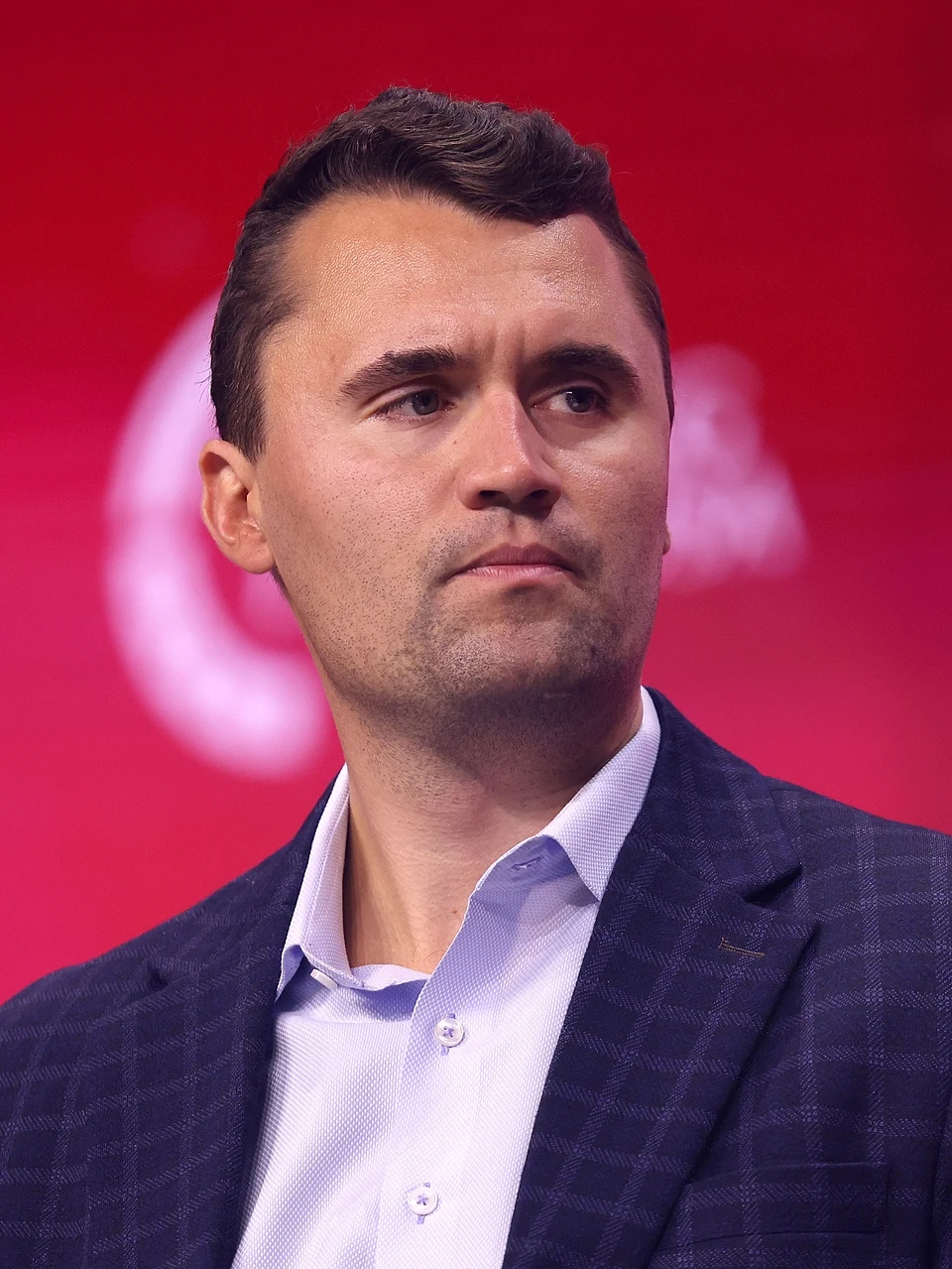
The nation was shaken on September 10, 2025, when news broke that Charlie Kirk, the 31-year-old conservative activist, media personality, and co-founder of Turning Point USA, was fatally shot while speaking at Utah Valley University. The incident, described by Utah’s governor as a “political assassination,” has sent shockwaves through the political world and reignited urgent discussions about rising violence in American public life.
This article lays out, in detail, what is currently known about the events leading to his death, the circumstances of the shooting, the aftermath, and the wider implications for U.S. politics.
The Day of the Shooting
Charlie Kirk’s visit to Utah Valley University in Orem, Utah, was intended to be the first stop of his new “American Comeback Tour.” He was holding one of his trademark events — a “Prove Me Wrong” debate table, where students and attendees could challenge him on a variety of political issues. The event was held outdoors under a large tent and drew hundreds of attendees, including his wife, Erika, and their two young children.
Eyewitnesses say that shortly after noon, during a discussion about gun violence and mass shootings, a single gunshot rang out. Kirk had just responded to a student question when the shot struck him in the neck. The bullet caused him to collapse backward, and video from the scene captured the horrifying moment as those nearby realized what had happened.
Panic spread instantly. Some people in the crowd initially thought the noise was a firework, but when they saw Kirk bleeding, the scene turned chaotic. Students and supporters dove for cover, others rushed to help, and security scrambled to move his family away from danger. The entire event, meant to be a spirited debate on ideas, was transformed in an instant into a scene of terror.
The Shooter and the Attack
Authorities quickly confirmed that the shot came from an elevated, distant position, roughly 180 to 200 yards away. Investigators believe the gunman may have fired from a rooftop or upper floor of a nearby building, which gave them a clear view of the tented event space.
Police detained one “person of interest” near the scene, but later announced that the individual was not connected to the attack. As of now, the primary suspect remains unidentified and at large. Federal authorities — including the FBI and ATF — have joined Utah law enforcement in the investigation, calling it a high-priority manhunt.
The attack appeared to be carefully planned. Officials stated that the precision of the shot and the distance suggest the shooter had significant training or experience. This has only fueled concerns that the assassination was politically motivated and carried out with intent rather than as an impulsive act.
The Medical Response
Immediately after being hit, Kirk was rushed by paramedics to a local hospital. Doctors performed emergency surgery, but his wound — to the neck — caused catastrophic damage. Despite several hours of effort, medical staff were unable to save him.
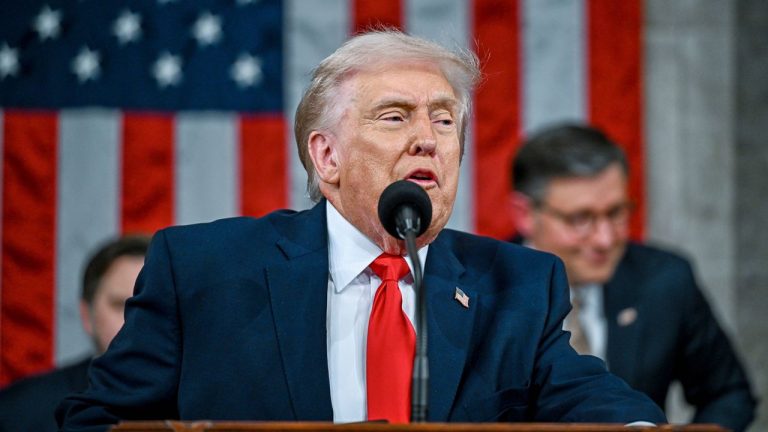
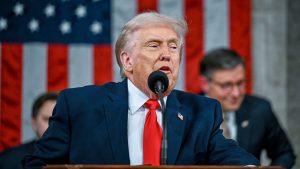
Kirk’s death was publicly confirmed later in the day. President Donald Trump announced it at approximately 4:40 p.m. Eastern Time in a statement on Truth Social, calling Kirk a “patriot, friend, and warrior for America’s youth.” His words confirmed what many feared after early reports described the injury as “life-threatening.”
Who Was Charlie Kirk?
Charlie James Kirk was born on October 14, 1993, in Arlington Heights, Illinois. He rose to national prominence at a very young age, founding Turning Point USA in 2012 when he was only 18 years old. The organization quickly grew into one of the largest conservative student movements in the United States, staging thousands of events and reaching millions of young people across the country.
Kirk became known for his fiery debating style, frequent media appearances, and ability to harness social media to amplify conservative messages. His “Prove Me Wrong” debates on college campuses became signature events, drawing both supporters and critics into direct, often heated dialogue. He also hosted a popular daily radio show and podcast, further cementing his place as one of the most recognizable voices in American conservatism.
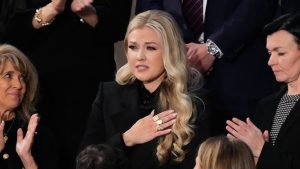
Beyond his work, Kirk was a husband and father. He married Erika Frantzve, a former Miss Arizona USA and fellow conservative activist, in 2021. Together, they had two children, who were present at the Utah event.
Political and Public Reaction
The assassination drew immediate and widespread condemnation from across the political spectrum, reflecting the gravity of the attack on a public figure.
-
President Donald Trump expressed personal grief, ordered U.S. flags flown at half-staff, and vowed justice.
-
Utah Governor Spencer Cox described the killing as a “political assassination” and promised full cooperation with federal authorities.
-
House Speaker Mike Johnson and Democratic Leader Hakeem Jeffries both issued statements denouncing the violence.
-
Former Presidents Barack Obama and Joe Biden released separate tributes, calling the act “a threat to democracy itself.”
-
State and local officials, along with governors and lawmakers across the country, joined in mourning and in emphasizing the need to lower the political temperature.
International leaders also reacted. UK Prime Minister Keir Starmer and Israeli Prime Minister Benjamin Netanyahu were among those who publicly condemned the assassination, noting that political violence threatens not only individuals but the foundation of open societies.
The Broader Context
The killing of Charlie Kirk comes at a time of heightened political tension and violence in the United States. In recent years, the country has witnessed an attempted assassination of Donald Trump, threats against members of Congress, and a general increase in threats targeting public officials.
Kirk’s murder underscores these fears, raising questions about how safe political discourse can be in such a divided environment. His death also highlights the vulnerability of public events, particularly those held in open spaces where security can be more easily compromised.
Observers warn that unless steps are taken to reduce hostility and curb the culture of political demonization, more tragedies like this could occur.
A Legacy Cut Short
At just 31 years old, Charlie Kirk’s life and career were abruptly ended. He had spent more than a decade shaping conservative thought, building institutions, and engaging directly with students across the country. Supporters saw him as a rising leader who could one day enter elected office. Critics disagreed with his politics, but few would deny the impact he had on political discourse in America.
His death leaves behind a grieving family, a shocked conservative movement, and a political landscape grappling with the meaning of his assassination.
Conclusion
The death of Charlie Kirk is more than a personal tragedy; it is a national moment of reckoning. An activist who dedicated his life to engaging with young Americans, Kirk was struck down in front of his family and supporters in an act that has already been classified as politically motivated.
The investigation continues, the suspect remains at large, and the questions about how and why this could happen loom large. For now, the nation mourns the loss of a young man whose voice — loved or opposed — had become a defining one in the modern political era.
His assassination will be remembered not only as a tragic loss of life but also as a turning point in the ongoing struggle to ensure that political disagreements in the United States are resolved through debate and democracy — not through violence.
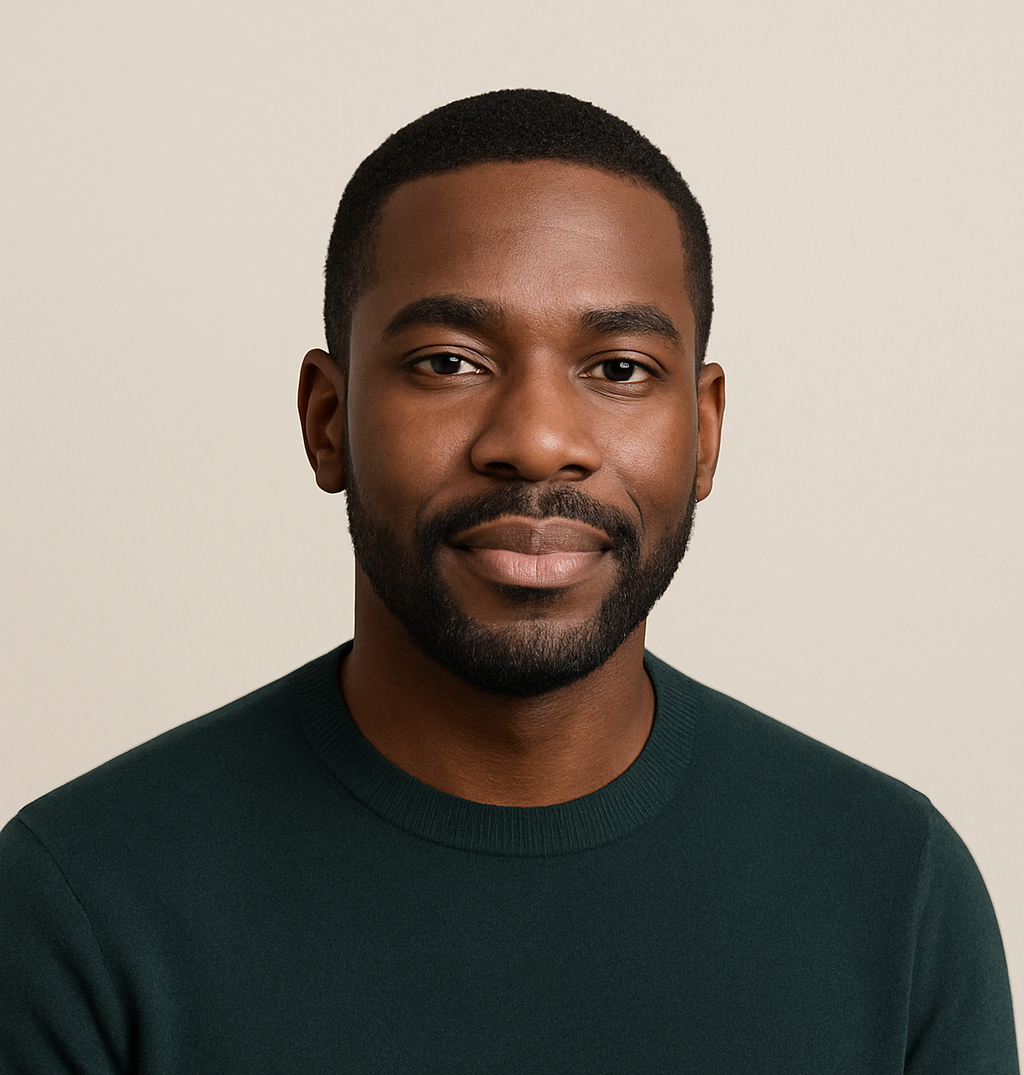
James Jenkins is a celebrated Pulitzer Prize-winning author whose work has reshaped the way readers think about social justice and human rights in America. Raised in Atlanta, Georgia, James grew up in a community that instilled in him both resilience and a strong sense of responsibility toward others. After studying political science and creative writing at Howard University, he worked as a journalist covering civil rights issues before dedicating himself fully to fiction. His novels are known for their sharp, empathetic portraits of marginalized communities and for weaving personal stories with broader political realities. Jenkins’s breakout novel, Shadows of Freedom, won national acclaim for its unflinching look at systemic inequality, while his more recent works explore themes of identity, resilience, and the fight for dignity in the face of oppression. Beyond his novels, James is an active public speaker, lecturing at universities and participating in nonprofit initiatives that support literacy and community empowerment. He believes that storytelling is a way to preserve history and inspire change. When not writing, James enjoys jazz music, mentoring young writers, and traveling with his family to explore cultures and stories around the world.