

NOTE: VIDEO AT THE END OF ARTICLE
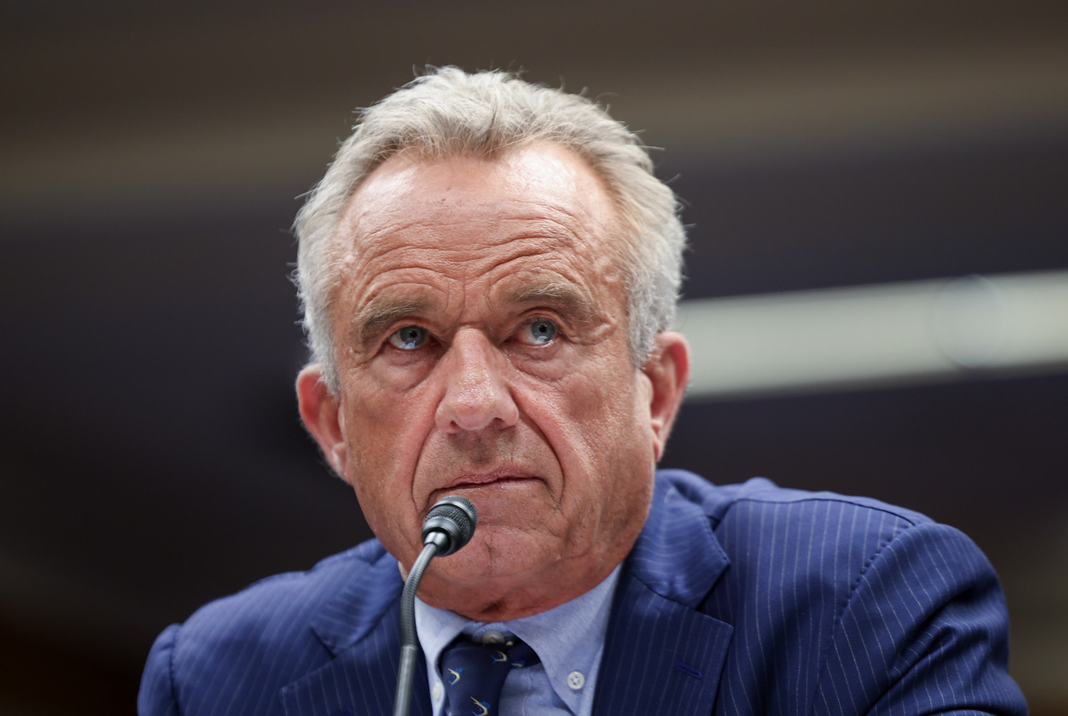
What was meant to be a routine budget hearing for the Department of Health and Human Services turned into a fiery exchange on Capitol Hill this week, as HHS Secretary Robert F. Kennedy Jr. directly accused a senior Democratic lawmaker of being influenced by pharmaceutical money.
The dramatic moment unfolded during Kennedy’s testimony before the House Energy and Commerce Committee, where the discussion abruptly shifted from fiscal matters to the ethics of campaign financing and vaccine policy. In an unexpected escalation, Kennedy challenged Rep. Frank Pallone (D-NJ), a longtime committee member, over his past record on vaccine injury advocacy.
According to Kennedy, Pallone once stood as a champion for individuals harmed by vaccines—a stance that allegedly changed after receiving significant political donations. “Fifteen years ago, you were the leading voice for vaccine injury victims,” Kennedy said. “Now, you’ve taken more than $2 million from pharmaceutical interests. That enthusiasm is gone.”
His remarks caused immediate backlash. Rep. Diana DeGette (D-CO) objected, calling the accusation a personal attack on a fellow member of Congress. The room descended into procedural chaos, with crosstalk and frustration erupting among members. Chairman James Comer (R-KY) quipped that Rep. Pallone “wasn’t paying attention,” prompting a sharp retort from the New Jersey congressman.
Though Kennedy later withdrew his comments, the damage had been done. The confrontation reignited tensions around vaccine policy, pharmaceutical lobbying, and the federal oversight of immunization programs.
In response, Rep. Pallone dismissed Kennedy’s remarks as “dangerous” and “unscientific,” defending his position and calling for renewed scrutiny of Kennedy’s recent decisions to overhaul the CDC’s Advisory Committee on Immunization Practices (ACIP). The committee has historically played a central role in guiding vaccine policy nationwide.
As public trust in health institutions remains fragile, the exchange is expected to reverberate well beyond the hearing room. Whether Kennedy’s claims spark further investigation or are dismissed as political theater, one thing is clear: the fight over transparency in vaccine policy is far from over.

Sarah Mitchell is a bestselling novelist recognized for her insightful and emotionally resonant stories that explore the complexities of human relationships. Originally from Denver, Colorado, Sarah grew up in a family of teachers who nurtured her curiosity and love for storytelling. She studied psychology at Stanford University, where she became fascinated by the intricacies of human behavior—an interest that would later shape her writing career. Sarah’s novels are praised for their nuanced characters, intricate plots, and ability to capture the subtle tensions that define love, friendship, and family ties. Her breakthrough novel, The Spaces Between Us, became an instant bestseller, lauded for its honest portrayal of strained family relationships and the fragile bonds that hold people together. Since then, she has published several works that continue to captivate audiences around the world. Outside of her writing career, Sarah is passionate about mental health advocacy and often partners with organizations to promote awareness and support for those struggling with emotional well-being. Her personal life is quieter—she enjoys hiking in the Colorado mountains, practicing yoga, and spending time with close friends. With each new book, Sarah Mitchell cements her reputation as a writer who illuminates the beauty and struggles of human connection.