


NOTE: X POST at the end of the article.
One of the lead organizations behind the recent protests against Immigration and Customs Enforcement (ICE) in Los Angeles, the Coalition for Humane Immigrant Rights (CHIRLA), has come under scrutiny after reports revealed it has received significant federal funding from the Department of Homeland Security (DHS).
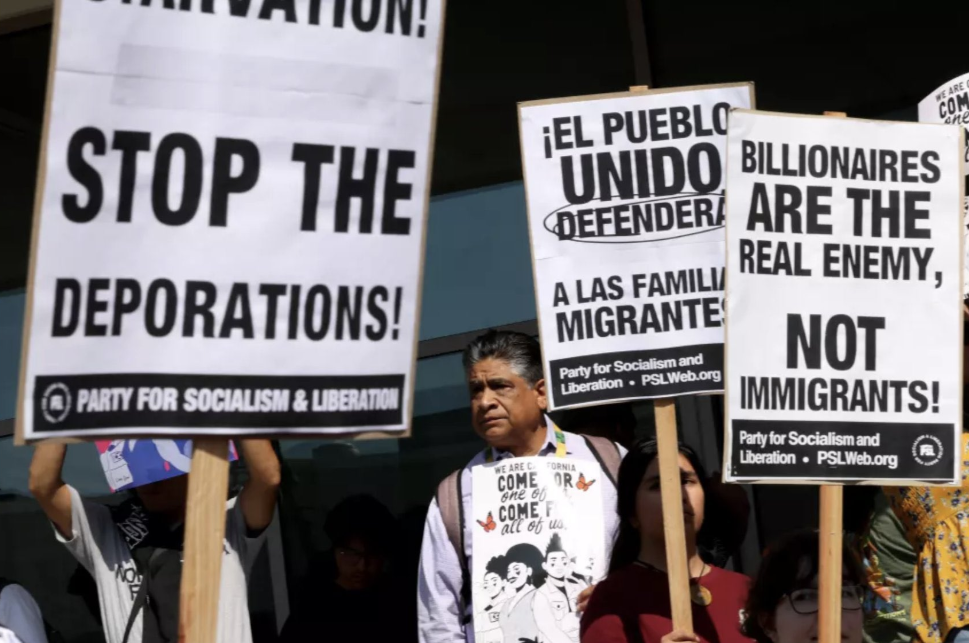
The protests, some of which turned confrontational, were sparked by recent ICE enforcement actions in the Los Angeles area. Demonstrators carried signs reading “ICE: Out of Our Communities” and “No Deportations,” while leaders from CHIRLA publicly condemned the raids and called for an end to immigration enforcement. CHIRLA Executive Director Angelica Salas stated that the immigrant community was being “terrorized” and emphasized that “these are workers, these are fathers, these are mothers.”
While such advocacy has long been part of CHIRLA’s public mission, what has raised eyebrows is the group’s ongoing financial relationship with the very federal department it is protesting.
Public records show CHIRLA received a $450,000 grant from the DHS through its Citizenship and Integration Grant Program. This funding was intended to support services like citizenship instruction and naturalization application assistance. Critics argue that it is deeply inappropriate for taxpayer dollars to continue flowing to a group that is actively opposing and protesting a major branch of DHS itself—ICE.
As of the latest available information, $100,000 of the grant remains to be disbursed to CHIRLA. Although some reporting suggests that this remaining amount was frozen or rescinded as of March 2024, the controversy reignited when images and video of CHIRLA-led protests resurfaced in early June 2025.
Opponents of the funding arrangement are calling for an immediate and permanent termination of any ongoing support to the group. “It is outrageous that DHS would continue to fund an organization that is actively working against its own law enforcement efforts,” said one former immigration official. “No agency should subsidize the undermining of its mission.”
Defenders of the grant program argue that CHIRLA’s work in assisting lawful immigrants with naturalization and integration is separate from its protest activities and that nonprofit organizations should be free to express disagreement with government policy. However, this line of defense has done little to quiet critics who view the situation as an unacceptable conflict of interest.
As the debate continues, the Biden administration and DHS are facing pressure to clarify the status of the remaining funds and to reevaluate the vetting process for grant recipients. With immigration policy and border enforcement already among the most polarizing political issues in the country, the controversy surrounding CHIRLA’s dual role as both a DHS grantee and vocal ICE opponent is unlikely to fade anytime soon.

James Jenkins is a celebrated Pulitzer Prize-winning author whose work has reshaped the way readers think about social justice and human rights in America. Raised in Atlanta, Georgia, James grew up in a community that instilled in him both resilience and a strong sense of responsibility toward others. After studying political science and creative writing at Howard University, he worked as a journalist covering civil rights issues before dedicating himself fully to fiction. His novels are known for their sharp, empathetic portraits of marginalized communities and for weaving personal stories with broader political realities. Jenkins’s breakout novel, Shadows of Freedom, won national acclaim for its unflinching look at systemic inequality, while his more recent works explore themes of identity, resilience, and the fight for dignity in the face of oppression. Beyond his novels, James is an active public speaker, lecturing at universities and participating in nonprofit initiatives that support literacy and community empowerment. He believes that storytelling is a way to preserve history and inspire change. When not writing, James enjoys jazz music, mentoring young writers, and traveling with his family to explore cultures and stories around the world.