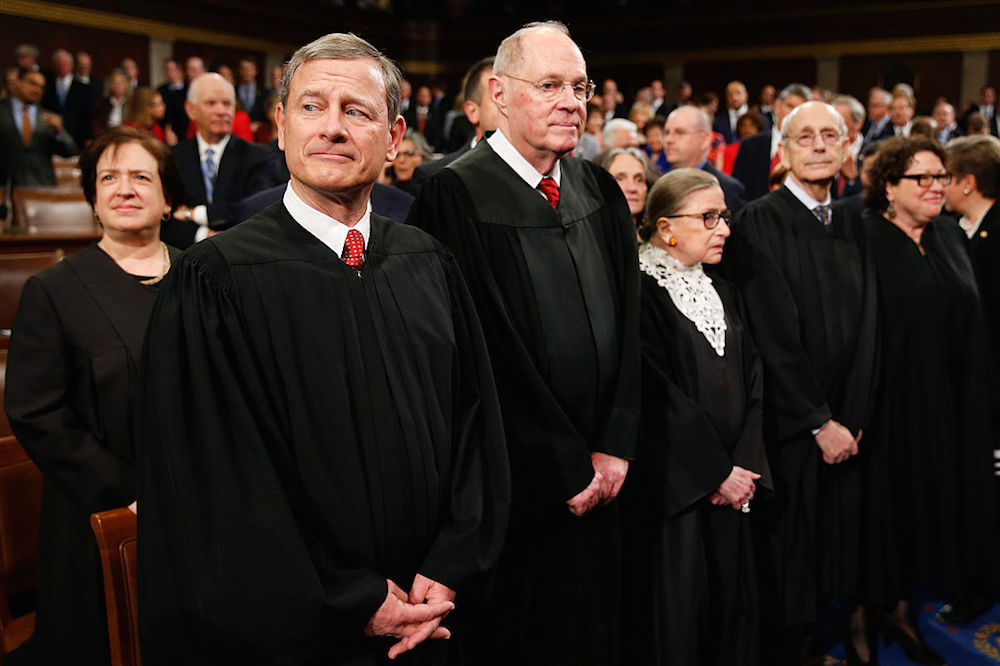
In legal and political circles, rumors are swirling that one of the nation’s most conservative Supreme Court justices may be considering retirement, a move that could once again place the future of the court in the hands of the sitting president. The chatter has already captured attention from politicians, legal scholars, and media outlets, as a potential vacancy would have significant implications for the ideological balance of the United States’ highest court.
The speculation has focused on a justice who has served for two decades, widely recognized for his reliable conservative jurisprudence and influence over some of the court’s most contentious decisions. This justice, appointed in 2006, has played a pivotal role in shaping key rulings on issues ranging from religious liberty to federal regulatory power. While he has not publicly indicated an intention to step down, several signals have fueled discussion about the timing of a possible retirement.
Among the factors contributing to the speculation is the justice’s milestone of two decades on the bench. Law professors and commentators note that many justices consider retirement after such a tenure, both to allow for succession planning and to take advantage of personal and professional opportunities outside the courtroom. Melissa Murray, a law professor at New York University, commented on a recent podcast, suggesting that this kind of milestone often prompts reflection on whether to remain in active service.
The political landscape further intensifies the conversation. With the current Senate controlled by the Republican Party, a vacancy could present the president with a smoother path to confirm a successor before the next election cycle. Analysts have emphasized that timing is critical: an announcement before midterms could avoid a potentially bruising confirmation battle in a highly charged political environment. The possibility of a strategic exit aligns with historical precedent, where justices sometimes plan retirements to maximize the likelihood of a preferred successor being confirmed.
Fueling speculation further is the justice’s upcoming book, scheduled for release in October, which coincides with the start of a new Supreme Court term. Some legal scholars suggest the timing of the publication may not be coincidental, as it could provide flexibility for the justice to promote his work outside the demanding schedule of active court sessions. Georgetown law professor Steve Vladeck observed that publishing during a term without conflicts could indicate foresight into future plans, as justices typically do not engage in book tours while court proceedings are in session.
However, not all observers interpret the timing as a sign of impending retirement. Legal commentator David Lat noted that staying on the bench could actually increase public interest in the book, as readers often find commentary from active justices more compelling than from retirees. Lat suggested that the justice may choose to maintain his role for a period after publication to maximize attention and influence.
Other experts have urged caution in reading too much into rumors. Washington consultant Bruce Mehlman highlighted that while the justice in question is 76 years old, this is still below the average retirement age of justices in recent decades. He emphasized that the justice and his long-standing colleague on the court remain among the most dependable votes for the court’s conservative bloc. At the same time, Mehlman noted that while the president still commands significant influence within his party, future confirmation battles may not be as predictable as they were in past years.
Historically, the possibility of a Supreme Court vacancy during a president’s term is not far-fetched. Eight of the past ten presidents have faced at least one opening during their first two years in office. During his first term, former President Donald Trump appointed three justices, reshaping the court for a generation. A fourth appointment would further solidify the conservative majority, extending its influence on key issues such as abortion, religious liberty, and regulatory authority.
For now, there has been no official statement from the justice himself, and the Supreme Court traditionally maintains strict confidentiality about any retirement plans. Yet in Washington, even whispers of a potential vacancy are enough to trigger intense political maneuvering, speculation among legal scholars, and media coverage that dominates national headlines. The strategic calculus of timing, political alignment, and Senate control makes the decision one of the most consequential a justice can make in their tenure.
Now, as the conversation unfolds, the justice at the center of the speculation is Justice Samuel Alito, who will mark 20 years on the Supreme Court this year. Alito is widely recognized as a staunch conservative voice, often aligning with his colleague Justice Clarence Thomas on key rulings. His jurisprudence has consistently favored limited government intervention and robust protections for religious liberty, earning him both admiration and criticism depending on the legal and political perspective.
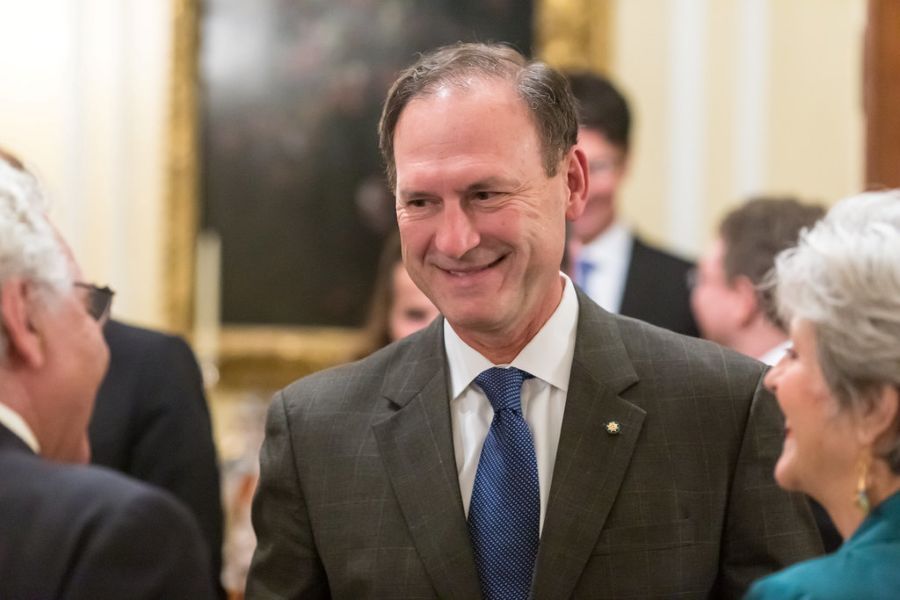
The potential retirement of Justice Alito has stirred anticipation across legal and political communities. Republican strategists have noted that a timely departure would offer the president a rare opportunity to shape the court further, influencing its trajectory for decades. Democrats, on the other hand, have expressed concern that another conservative appointment could cement a rightward shift in the judiciary, affecting landmark issues that resonate deeply with voters.
The timing of a potential announcement is also under scrutiny. Experts suggest that a decision to retire at the end of the current term would allow a smoother transition, giving the president and Senate sufficient time to confirm a nominee without coinciding with the heightened partisanship of an election year. Kate Shaw, co-host of the podcast Strict Scrutiny, noted that announcements in the coming weeks could align with these strategic considerations, emphasizing the precision with which Supreme Court retirement decisions are often made.
Beyond politics, Justice Alito’s upcoming book adds another layer to the discussion. Scheduled for release in October, legal commentators have debated whether its timing is coincidental or indicative of planned life changes. While some suggest it may signal preparation for more flexibility post-retirement, others argue that an active justice benefits from the authority and perspective that ongoing service provides. The court’s schedule and obligations make timing an essential consideration for any public engagement.
Observers also point to the broader implications of Supreme Court vacancies. A new justice appointment affects not only rulings on critical cases but also the internal dynamics of the court. Seniority, committee assignments, and the ideological balance of the bench can shift dramatically with a single change, making retirement decisions among the most consequential in the federal judiciary.
The discussion surrounding Justice Alito’s possible retirement illustrates the interplay of law, politics, and public perception in the highest court. While speculation continues, legal scholars and political strategists alike are analyzing every potential signal, from publication schedules to statements made in interviews. In Washington, even subtle hints are sufficient to ignite extensive debate and planning.
As the Supreme Court continues its work on pending cases, the nation watches closely. Whether Justice Alito chooses to remain on the bench or step down, the implications for American law and politics are profound. The strategic timing of such a decision will shape the judicial landscape and influence the interpretation of the Constitution for years to come.
For now, the situation remains fluid. No official retirement has been announced, but the speculation itself has already sparked a flurry of analysis and political maneuvering. In a court where every vote can be pivotal, the potential retirement of Justice Samuel Alito is a matter of national importance, and the coming weeks could determine the next chapter in the Supreme Court’s storied history.

Emily Johnson is a critically acclaimed essayist and novelist known for her thought-provoking works centered on feminism, women’s rights, and modern relationships. Born and raised in Portland, Oregon, Emily grew up with a deep love of books, often spending her afternoons at her local library. She went on to study literature and gender studies at UCLA, where she became deeply involved in activism and began publishing essays in campus journals. Her debut essay collection, Voices Unbound, struck a chord with readers nationwide for its fearless exploration of gender dynamics, identity, and the challenges faced by women in contemporary society. Emily later transitioned into fiction, writing novels that balance compelling storytelling with social commentary. Her protagonists are often strong, multidimensional women navigating love, ambition, and the struggles of everyday life, making her a favorite among readers who crave authentic, relatable narratives. Critics praise her ability to merge personal intimacy with universal themes. Off the page, Emily is an advocate for women in publishing, leading workshops that encourage young female writers to embrace their voices. She lives in Seattle with her partner and two rescue cats, where she continues to write, teach, and inspire a new generation of storytellers.