Washington, D.C. — In a major election law decision with broad implications for the 2026 midterm cycle, the U.S. Supreme Court on January 14, 2026 ruled that political candidates do have the legal right to challenge certain state election rules in federal court — even when they can’t prove that those rules changed the outcome of their own races. The decision revived a Republican challenge to an Illinois law that allows certain mail-in ballots received after Election Day to be counted, and reshapes how future election litigation might unfold nationwide.
At the heart of the case was a familiar mechanism in many states’ voting systems: ballots that are postmarked on or before Election Day — but physically received by election officials days or even weeks later — counted as valid. Illinois has used a two-week window after Election Day for such ballots, under rules designed to ensure that postal delays don’t disenfranchise voters. But in Bost v. Illinois State Board of Elections, the Supreme Court focused not on whether the ballots should count, but on whether a candidate has the right to challenge the law in the first place.
Background: What the Lawsuit Is About
In 2022, U.S. Representative Mike Bost, a Republican from Illinois, along with two other GOP candidates, filed a lawsuit against the Illinois State Board of Elections and its executive director. They argued that by allowing mail-in ballots delivered after Election Day to be counted — so long as they were postmarked by Election Day — Illinois violated federal election statutes that prescribe a uniform election date.
Under Illinois law, election officials count mail-in ballots postmarked on or before Election Day if they arrive within 14 days afterward — a period aligned with when provisional ballots are tallied. This rule is designed to reduce the likelihood that ballots mailed on time are discarded due to postal delays. More than a dozen other states and the District of Columbia have similar provisions.
Bost’s team argued that this extended counting period goes against federal election statutes — specifically laws that establish a single Election Day for federal offices — and that the practice could harm candidates’ campaigns by forcing them to expend extra resources monitoring the vote count and responding to late-arriving ballots.
However, the initial legal battle didn’t even reach the substantive question of whether the Illinois rule violated federal law. Instead, the case stalled in the courts because lower courts concluded that the candidates lacked Article III standing, a legal requirement that determines who is allowed to bring a federal lawsuit.
Standing: The Legal Threshold That Stopped the Case Before
Standing is a key legal principle rooted in Article III of the U.S. Constitution. To sue in federal court, a plaintiff must show that they have suffered a concrete and particularized injury that is fairly traceable to the disputed law and that a favorable court ruling would likely redress that injury.
In Bost, both the federal district court and the U.S. Court of Appeals for the Seventh Circuit ruled that Congressman Bost and his co-plaintiffs lacked standing. The courts held that because any ballots arriving after Election Day had not demonstrably affected Bost’s own election results — he had won reelection comfortably — he could not show a real, personal injury. They also treated the logistical and campaign costs he claimed as self-inflicted rather than legally cognizable injuries.
Because of that lack of standing, the lawsuit was dismissed before any court ever addressed the underlying merits of whether the Illinois ballot rule violated federal law.
Supreme Court’s Ruling: What Changed
The Supreme Court’s decision reversed that standing ruling, and in the process expanded who can use the federal courts to challenge election laws.
In a 7–2 opinion, the Court held that federal candidates seeking to challenge election regulations that govern how votes are counted have standing to sue even if they cannot show that a law changed the outcome of their own contest. The majority reasoned that candidates have a “concrete and particularized interest” in the rules that govern how votes are counted in their elections, because those rules shape the electoral process and can affect campaign strategies, resource allocation, and public confidence in the integrity of elections.
📊 Vote Count:
-
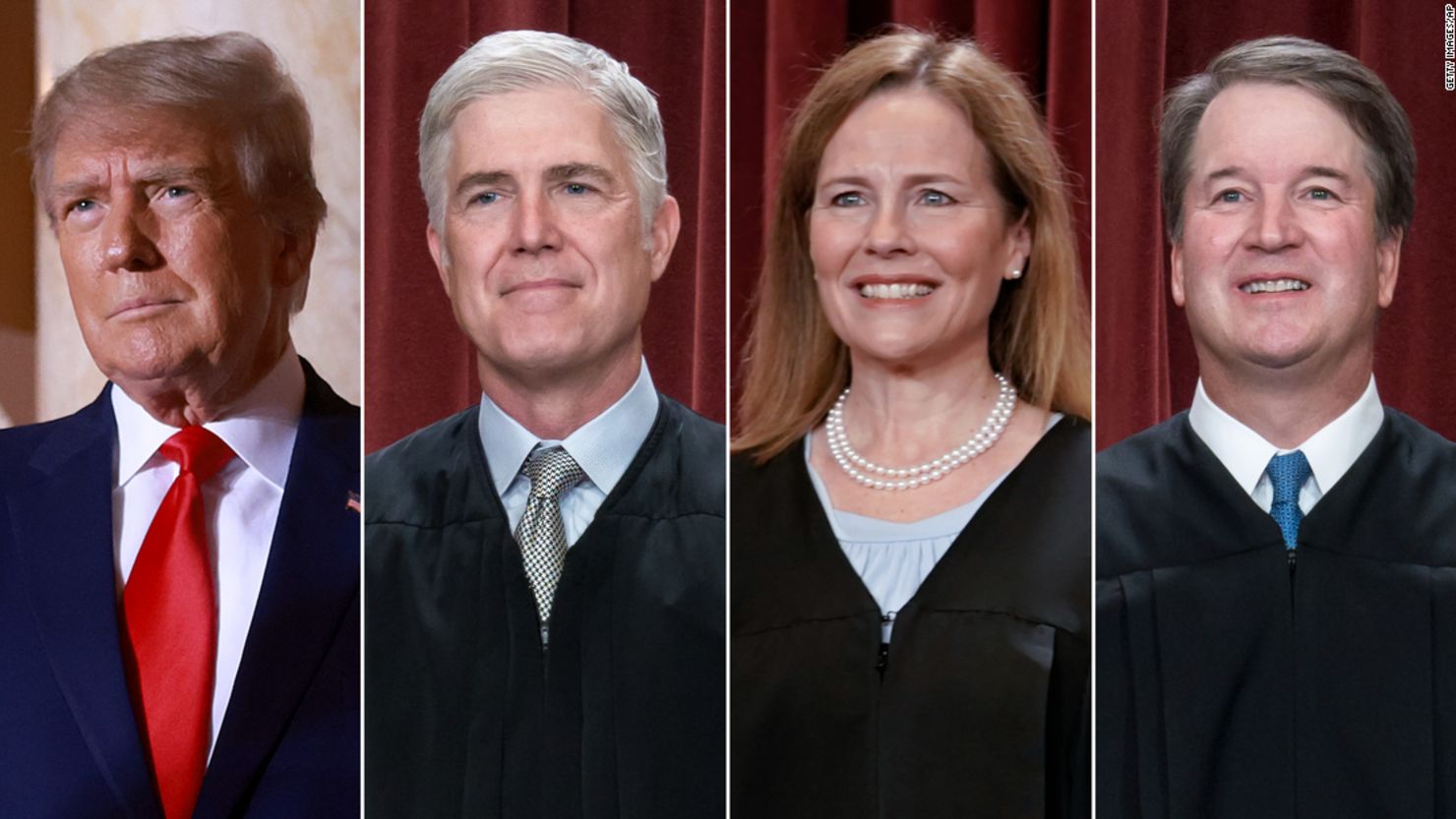
7 Justices in the majority: Chief Justice John Roberts (writing the opinion), joined by Justices Clarence Thomas, Samuel Alito, Neil Gorsuch, Brett Kavanaugh, Amy Coney Barrett, and Elena Kagan.
-
2 Justices dissented: Ketanji Brown Jackson and Sonia Sotomayor.
Chief Justice Roberts wrote that lower courts had applied too restrictive a rule by requiring candidates to show specific harms such as losing votes or losing an election. Instead, he said, the campaign-related interests and the intangible harm to a candidate’s standing in an election are sufficient to support standing. He wrote that candidates are not “mere bystanders” when the laws governing elections are at issue, and that courts should not let standing doctrine prevent lawsuits at the earliest possible stage, when statutes can be clarified before candidate time and resources are wasted.
Justices Barrett and Kagan joined the majority opinion, but also authored a concurring opinion expressing some reservation about how broadly the Court was allowing candidates to sue. They indicated they would have narrowed standing somewhat — for example by not creating a special standing rule for all candidates — but agreed that the case should proceed at least in this instance.
In dissent, Justices Jackson and Sotomayor warned that the new standard could open federal courts to a wave of pre-election lawsuits that would burden courts and politicize the judicial process. They argued that there still must be a real, individual injury before a lawsuit can proceed — and they worried that lowering that bar could encourage litigation over any election procedure that candidates dislike or find inconvenient.
What the Ruling Did Not Decide
It’s important to understand that the Supreme Court’s decision did not rule on whether Illinois’ law allowing late-arriving mail ballots to be counted is lawful, constitutional, or valid. The Court only decided who may bring the lawsuit. The underlying merits of the election law dispute — such as how federal statutes interact with state ballot-receipt deadlines — will now be considered by lower courts with the case back on track.
Additionally, the Supreme Court has agreed to hear a separate case later this term on a closely related question: whether federal law prohibits states from counting ballots received after Election Day under any circumstances. That case could directly address how federal statutes interact with state counting rules for late mail-in ballots.
Why the Decision Matters
The Bost ruling is significant for several reasons:
1. Lowers the Barrier to Election Challenges
By clarifying that candidates can sue over election laws simply because those laws govern how votes are counted, the Court has dramatically lowered the threshold for pre-election litigation. Rather than needing to show they lost votes or lost an election, candidates can now argue that any law affecting the process injures their interests as participants in the election.
2. Potential Surge in Election Lawsuits
Legal experts and civil rights observers anticipate this decision could lead to an increase in lawsuits before Election Day, as candidates (and potentially other political actors) test the constitutionality of voting procedures and rules in federal court. Such litigation might involve deadlines, ballot-counting procedures, segregation of provisional ballots, signature verification rules, or any other measure that candidates believe affects how elections are conducted.
3. Shifts Focus to Courtrooms Earlier
In the past, many election law disputes were resolved after elections concluded — when injuries are easier to demonstrate — but the high court’s ruling encourages earlier challenges. That means courts may be more involved in election rule disputes while campaigns are active and voters are casting ballots.
4. Political Implications
The decision carries clear political importance as the nation approaches the 2026 midterm elections. Because many election disputes have political overtones, opening the door to more litigation could intensify partisan battles over how elections are run. Observers from multiple perspectives have expressed concern that increased litigation could create uncertainty or delay results.
Next Steps: What Happens Now
With the Supreme Court’s standing ruling in place, Bost v. Illinois State Board of Elections will return to lower courts to resume consideration of the underlying legal claims about Illinois’ ballot counting rules. That part of the case could take months or longer to resolve, and it could eventually return to the Supreme Court for a full merits decision.
Meanwhile, the Court’s decision in Bost sets a precedent that other candidates in other states may invoke to challenge election laws they find unfair. Some legal analysts predict a wave of litigation — some seeking to block state rules, others seeking to defend them — as federal courts wrestle with election disputes in the coming election cycle.
The Supreme Court is also set to hear Watson v. Republican National Committee, a separate case that more squarely asks whether federal election laws prohibit counting ballots received after Election Day. That decision could ultimately shape national standards for how long mail-in ballots may be counted in federal elections.
Conclusion
The Supreme Court’s 7–2 decision in Bost v. Illinois State Board of Elections is a watershed moment in the law of election litigation. By granting political candidates broader access to federal courts to challenge election rules, the Court has changed how election disputes might be handled in the run-up to future elections — and raised complex questions about how courts, legislatures, and election officials will interact in America’s closely watched democratic process.

Emily Johnson is a critically acclaimed essayist and novelist known for her thought-provoking works centered on feminism, women’s rights, and modern relationships. Born and raised in Portland, Oregon, Emily grew up with a deep love of books, often spending her afternoons at her local library. She went on to study literature and gender studies at UCLA, where she became deeply involved in activism and began publishing essays in campus journals. Her debut essay collection, Voices Unbound, struck a chord with readers nationwide for its fearless exploration of gender dynamics, identity, and the challenges faced by women in contemporary society. Emily later transitioned into fiction, writing novels that balance compelling storytelling with social commentary. Her protagonists are often strong, multidimensional women navigating love, ambition, and the struggles of everyday life, making her a favorite among readers who crave authentic, relatable narratives. Critics praise her ability to merge personal intimacy with universal themes. Off the page, Emily is an advocate for women in publishing, leading workshops that encourage young female writers to embrace their voices. She lives in Seattle with her partner and two rescue cats, where she continues to write, teach, and inspire a new generation of storytellers.