Venezuela has long faced political instability, economic collapse, and social unrest, but recent developments have pushed the situation into what U.S. officials describe as an unprecedented level of risk for foreign nationals. The country continues to experience severe shortages of basic necessities, widespread violence, and a breakdown of law enforcement accountability. International observers have repeatedly noted the challenges posed by a government that frequently disregards legal norms, leaving ordinary residents and visitors vulnerable to arbitrary detention and exploitation.
Human rights organizations report that local security forces have routinely employed excessive force against civilians, including the use of tear gas, rubber bullets, and pepper spray during demonstrations. What begin as peaceful protests often escalate, sometimes resulting in looting, vandalism, and confrontations with law enforcement. Such volatility is compounded by the presence of armed groups operating in border regions, including Colombian terrorist organizations that exploit the porous frontiers with Brazil, Colombia, and Guyana.
Economic hardships remain pervasive. Chronic shortages of gasoline, electricity, potable water, and essential medical supplies continue to impact daily life. Hospitals and clinics are often unable to provide adequate care, leaving those in need without essential services. Combined with political repression, these conditions create a climate where safety, health, and personal security are consistently at risk.
The U.S. government has long cautioned travelers about the dangers of entering Venezuela, but recent policy actions have amplified the urgency of these warnings. The Trump administration, citing concerns over narco-terrorism, cartel activity, and the Maduro regime’s ongoing human rights violations, has implemented measures to mitigate threats to American citizens and U.S. interests in the region. These measures include increased monitoring of airspace, security advisories, and coordination with regional allies to address cross-border criminal activity.
One of the more notable steps taken by the U.S. administration was the closure of Venezuelan airspace. President Donald Trump issued a directive stating, “To all Airlines, Pilots, Drug Dealers, and Human Traffickers, please consider THE AIRSPACE ABOVE AND SURROUNDING VENEZUELA TO BE CLOSED IN ITS ENTIRETY. Thank you for your attention to this matter!” This order followed a warning from the Federal Aviation Administration regarding “a potentially hazardous situation” caused by heightened military activity and unstable conditions in and around Venezuela. The FAA noted that such threats could pose risks to aircraft at all altitudes, further highlighting the country’s growing security concerns.
Amid these escalating dangers, the U.S. Department of State reissued its most stringent travel advisory for Venezuela, categorizing the nation at Level 4: Do Not Travel. This advisory, reaffirmed on 3 December 2025, underscores the immediate risks posed to U.S. citizens and lawful permanent residents currently in the country. According to the advisory, travelers face threats including wrongful detention, torture, kidnapping, terrorism, arbitrary law enforcement, violent crime, civil unrest, and severely limited access to medical care. The notice is unequivocal: Americans should depart Venezuela without delay.
The advisory specifically highlights that even minor infractions, such as stepping a few feet across a land border, could result in detention. Security forces have reportedly held U.S. citizens for extended periods—up to five years—without due process. Moreover, detainees often remain inaccessible to U.S. officials, with consular visits prohibited, leaving citizens entirely dependent on the Venezuelan authorities for basic treatment and legal protection. Former detainees and human rights advocates have reported instances of cruel and inhumane treatment during incarceration, compounding the urgency of the advisory.
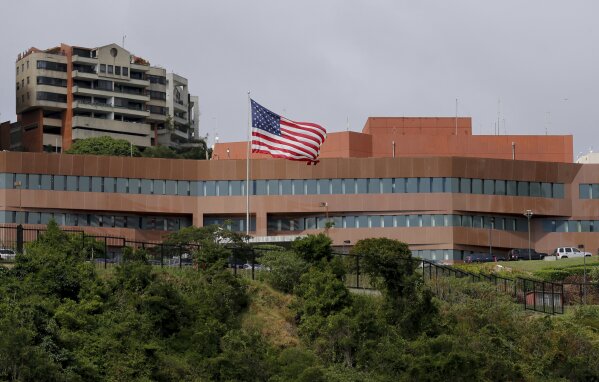
For those currently in Venezuela, the situation is further complicated by the absence of diplomatic support. All U.S. embassy personnel were withdrawn from Caracas in March 2019, leaving routine and emergency consular services suspended indefinitely. Without embassy operations, Americans cannot rely on government assistance for evacuation, legal issues, or health emergencies. This lack of institutional support makes remaining in the country extremely hazardous.
At the center of the warning are the Americans who remain in Venezuela despite the escalating risks. U.S. citizens and lawful permanent residents in the country are strongly urged to depart immediately, using any available means. For those planning or considering travel to Venezuela, the State Department stresses that “there is no safe way to travel to Venezuela.” Prospective travelers are advised to develop detailed contingency plans, secure necessary medications, and enroll in the Smart Traveler Enrollment Program to receive real-time updates and assistance in emergencies.
Experts emphasize that the current environment in Venezuela is shaped by a combination of governmental collapse, criminal enterprise, and foreign policy tensions. The Maduro administration’s policies have created conditions conducive to smuggling, cartel operations, and widespread corruption, often leaving civilians and visitors caught in the crossfire. Infrastructure failures, including widespread electricity blackouts and water shortages, further exacerbate vulnerability, especially for those unfamiliar with local conditions or lacking access to secure housing.
Reports from humanitarian organizations and journalists underscore the peril faced by both locals and foreign nationals. Criminal groups have taken advantage of limited law enforcement capacity, targeting vulnerable populations for extortion, robbery, and kidnapping. Political protests frequently devolve into violence, with authorities responding harshly to dissent. Combined, these factors have prompted calls from international actors for increased evacuation efforts and heightened awareness of the risks associated with travel or residence in the country.
The advisory also emphasizes the importance of preparedness. Travelers are encouraged to maintain communication with family members outside the country, stock essential supplies, and stay informed through official channels. Those who remain in Venezuela must exercise extreme caution, avoid demonstrations, and refrain from entering areas known to be controlled by armed groups or high-risk zones along border regions.
In response to these risks, the Trump administration has deployed a multi-pronged strategy aimed at protecting U.S. citizens while applying pressure on the Maduro regime and criminal networks. Measures include coordinating with regional partners to monitor illicit activity, conducting intelligence assessments, and issuing real-time warnings for aviation and maritime traffic. Authorities continue to stress that individuals who disregard official warnings expose themselves to potentially life-threatening situations.
The situation in Venezuela is a stark reminder of the dangers posed when political instability, economic collapse, and criminal activity converge. It highlights the necessity for travelers to remain vigilant and for governments to provide clear, actionable guidance. The consequences of failing to heed these warnings can be severe, ranging from detention without due process to exposure to violence or critical shortages of basic resources.
The U.S. State Department advisory serves not only as a warning but also as a call to action. Americans currently in Venezuela face immediate risk and are strongly advised to prioritize their safety by departing. Failure to do so places individuals at the mercy of an unpredictable legal and security environment, with no guarantee of protection or assistance.
For those already impacted, the situation underscores the critical role of planning, awareness, and rapid response. Families of U.S. citizens in Venezuela are urged to stay informed, maintain lines of communication, and coordinate with authorities to facilitate safe departures. While the U.S. government can provide guidance and support remotely, the lack of on-the-ground diplomatic presence means individuals must rely heavily on their own preparedness and judgment.
In conclusion, Venezuela’s current conditions constitute a high-risk environment for any foreign national. The combination of political repression, pervasive crime, infrastructure failure, and the absence of diplomatic services creates circumstances that are exceptionally dangerous for Americans. The Level 4 advisory reflects the gravity of these risks and underscores the urgent need for those in the country to leave immediately.
As the Trump administration continues to monitor developments, the emphasis remains on ensuring that U.S. citizens and lawful permanent residents are aware of the extreme hazards they face and take immediate action to secure their safety. In this context, the State Department’s guidance is clear: remaining in Venezuela is inherently dangerous, and departure is the only course of action that significantly reduces the risk to life and wellbeing.

Emily Johnson is a critically acclaimed essayist and novelist known for her thought-provoking works centered on feminism, women’s rights, and modern relationships. Born and raised in Portland, Oregon, Emily grew up with a deep love of books, often spending her afternoons at her local library. She went on to study literature and gender studies at UCLA, where she became deeply involved in activism and began publishing essays in campus journals. Her debut essay collection, Voices Unbound, struck a chord with readers nationwide for its fearless exploration of gender dynamics, identity, and the challenges faced by women in contemporary society. Emily later transitioned into fiction, writing novels that balance compelling storytelling with social commentary. Her protagonists are often strong, multidimensional women navigating love, ambition, and the struggles of everyday life, making her a favorite among readers who crave authentic, relatable narratives. Critics praise her ability to merge personal intimacy with universal themes. Off the page, Emily is an advocate for women in publishing, leading workshops that encourage young female writers to embrace their voices. She lives in Seattle with her partner and two rescue cats, where she continues to write, teach, and inspire a new generation of storytellers.