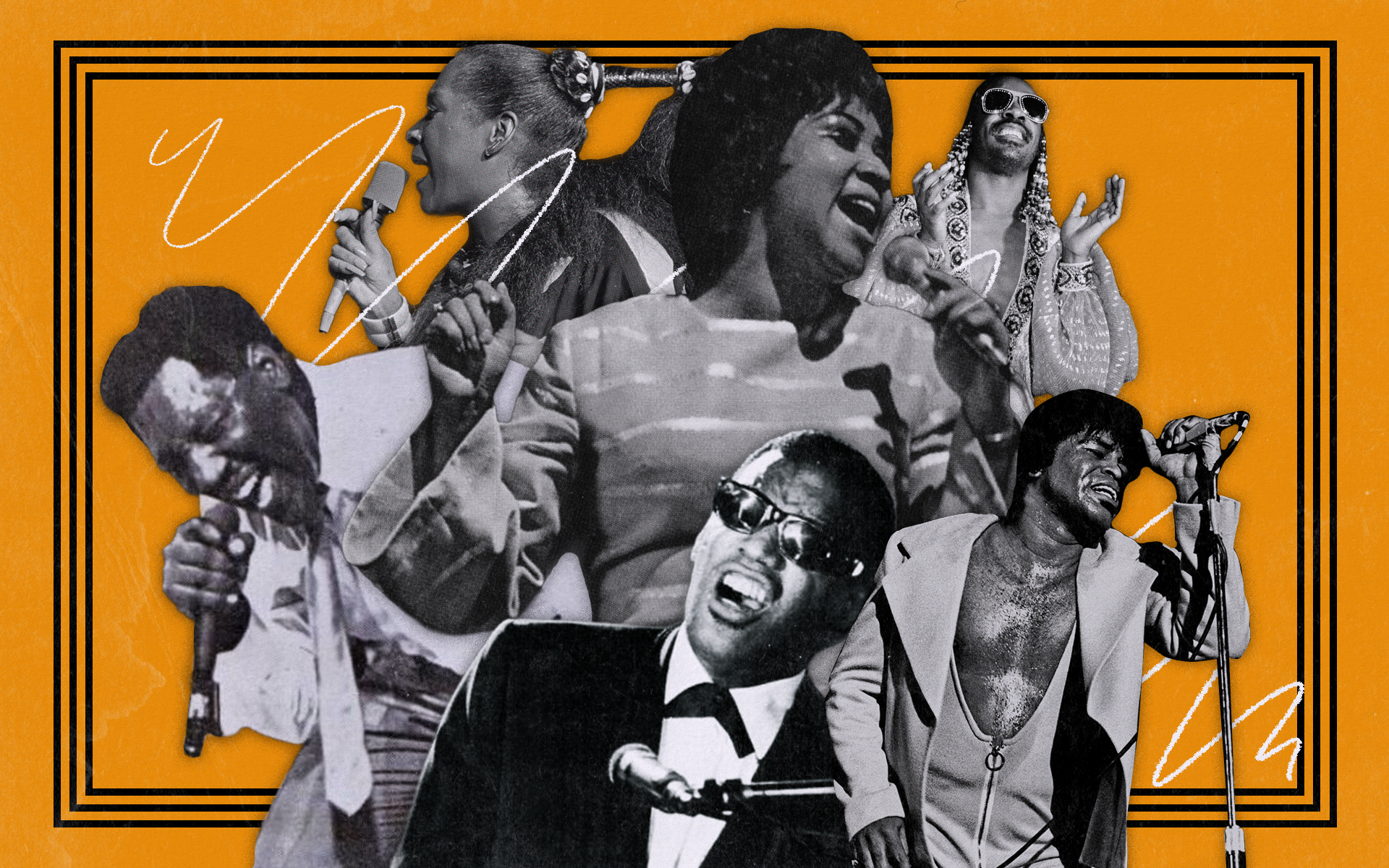
The passing of a pioneering American vocalist this week has closed a chapter on one of the most influential and genre-blending eras in popular music. At age 90, a singer whose voice helped define the sound of late-1960s optimism and social change died quietly at his home in Las Vegas, following complications from a stroke. His death, from natural causes, was confirmed by his representative.
For millions of listeners, his work formed the soundtrack of a transformative period in American history—a time when pop, soul, and social consciousness collided on radio airwaves and television stages. Long before streaming or digital charts, his harmonies carried messages of hope, love, and unity into living rooms across the country.
Though widely celebrated for his musical achievements, his life extended far beyond the stage. He was an athlete, a military serviceman, a photographer, and a collaborator whose creative curiosity never seemed to settle into one lane. To those who worked beside him, he was remembered not only for his talent but for his humor, warmth, and steady presence during decades of touring and recording.
A Sound That Bridged Worlds
The group he helped found stood apart in an era crowded with iconic acts. While many artists were neatly categorized—rock, soul, folk, or pop—this ensemble moved fluidly between genres. Their polished harmonies appealed to mainstream pop audiences, while their rhythmic roots and emotional delivery resonated deeply with soul listeners. This ability to cross boundaries made them one of the most commercially successful vocal groups of their time.
Their songs were bright, melodic, and often uplifting, yet they were also connected to the cultural undercurrents of the late 1960s and early 1970s. Themes of peace, idealism, and collective optimism ran through their biggest hits, making their music both accessible and reflective of a society in motion.
One particular anthem—drawn from a then-controversial Broadway musical—became a defining moment not just for the group, but for popular music as a whole. It spent weeks at the top of the charts, won major industry awards, and cemented the group’s place in music history.
More Than a Performer
Before fame arrived, his path was anything but predictable. Born in St. Louis, he demonstrated early versatility that would later define his career. He served in the U.S. Navy as a photographer, a role that sharpened an artistic eye he would continue to use throughout his life. Even after achieving musical success, he never abandoned photography, contributing images to major magazines and documenting both everyday life and the entertainment world around him.
Athletics also played a significant role in his early years. As a young man, he spent time in professional baseball within the Los Angeles Dodgers’ organization. Though his athletic career did not become his legacy, it revealed a discipline and drive that later carried over into music and other creative pursuits.
By the early 1960s, his focus shifted decisively toward performance. After relocating to Southern California, he immersed himself in the vibrant musical ecosystem there, collaborating with fellow artists and refining a sound that balanced technical precision with emotional accessibility.
The Formation of a Landmark Group
The ensemble that would eventually bring him international recognition evolved through several incarnations. Early jazz and vocal projects laid the groundwork, as did collaborations with future bandmates who would remain creative partners for decades.
After a series of lineup changes and performances—including opening slots for legendary artists—the group found its defining configuration. With the addition of a powerful female vocalist and a renewed sense of purpose, they signed with a label that aligned with the era’s shifting social landscape. Their new name reflected a belief that music could transcend conventional dimensions and speak to a changing world.
It was at this point—midway through the group’s rise—that the singer’s name became widely known.
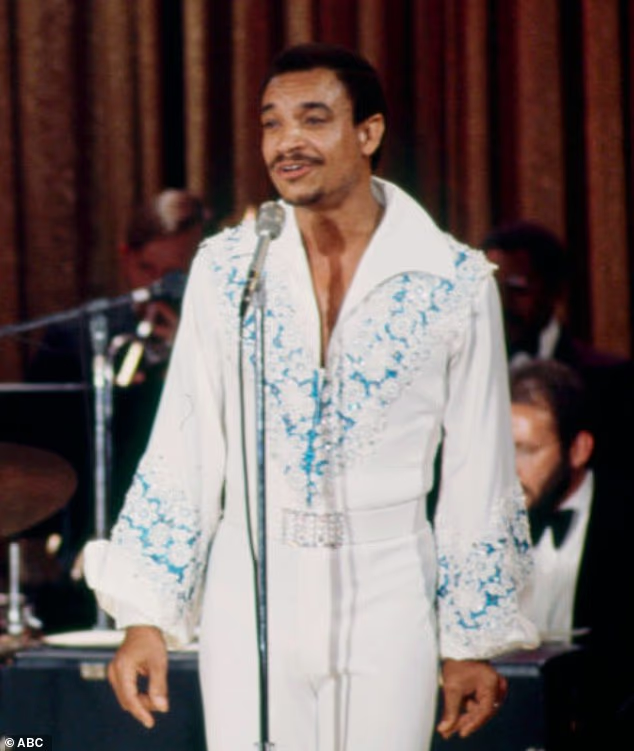
He was LaMonte McLemore, a founding member of The 5th Dimension, and one of the key voices behind a string of chart-topping hits that would come to define an era.
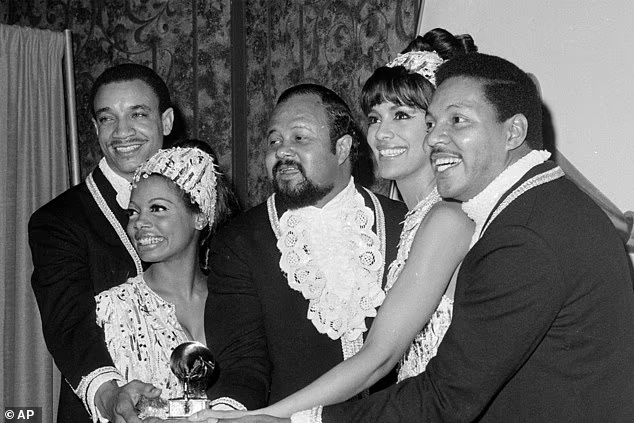
Chart Success and Cultural Impact
From their breakthrough cover of a song by The Mamas & the Papas to a run of original and carefully selected material, The 5th Dimension enjoyed sustained success across multiple years. Songs like Up, Up and Away and Aquarius/Let the Sunshine In were not only commercial triumphs but cultural touchstones.
The group earned multiple Grammy Awards, including several of the industry’s most prestigious honors. Their performances were regular features on television variety shows, award ceremonies, and special events. They appeared at the White House and toured internationally, including trips sponsored by the U.S. State Department that positioned them as cultural ambassadors during a tense geopolitical era.
Throughout it all, McLemore balanced visibility with humility. Bandmates later recalled his steady demeanor and ability to defuse tension with humor, qualities that proved invaluable during the pressures of fame and constant travel.
A Creative Life Beyond the Spotlight
Even as the group’s popularity continued into the 1970s, McLemore maintained parallel creative interests. Photography remained a serious pursuit, not a hobby, and his work appeared in publications such as Playboy and Jet. This dual identity—as both performer and documentarian—gave him a unique vantage point on celebrity culture and everyday life alike.
As musical trends shifted, The 5th Dimension gradually stepped back from the center of the pop charts, but their legacy endured. Their recordings continued to receive airplay, compilation releases introduced them to new audiences, and their influence could be heard in later vocal groups that embraced polished harmonies and crossover appeal.
Remembered by Those Who Knew Him Best
Following news of his death, surviving members of the group released statements reflecting on decades of friendship and collaboration. They spoke of his energy, his laughter, and his ability to bring lightness to difficult moments. One longtime colleague described him as more like a sibling than a bandmate, emphasizing the closeness forged through years of shared experience.
These personal tributes offered a reminder that behind the accolades and chart positions was a man deeply valued by those around him.
A Lasting Legacy
LaMonte McLemore is survived by his wife, Mieko, his children Ciara and Darin, his sister Joan, and three grandchildren. His passing marks the loss of not just a performer, but a multi-talented artist whose life reflected curiosity, adaptability, and quiet excellence.
For listeners who came of age during the late 1960s and early 1970s, his music remains inseparable from memories of a hopeful, turbulent, and transformative time. For younger generations discovering those songs anew, his voice continues to carry the same warmth and optimism that first captivated audiences more than half a century ago.
In the end, his legacy is measured not only in awards or chart records, but in the enduring power of music to lift spirits, bridge divides, and remind people—across decades—that harmony, in all its forms, still matters.

Emily Johnson is a critically acclaimed essayist and novelist known for her thought-provoking works centered on feminism, women’s rights, and modern relationships. Born and raised in Portland, Oregon, Emily grew up with a deep love of books, often spending her afternoons at her local library. She went on to study literature and gender studies at UCLA, where she became deeply involved in activism and began publishing essays in campus journals. Her debut essay collection, Voices Unbound, struck a chord with readers nationwide for its fearless exploration of gender dynamics, identity, and the challenges faced by women in contemporary society. Emily later transitioned into fiction, writing novels that balance compelling storytelling with social commentary. Her protagonists are often strong, multidimensional women navigating love, ambition, and the struggles of everyday life, making her a favorite among readers who crave authentic, relatable narratives. Critics praise her ability to merge personal intimacy with universal themes. Off the page, Emily is an advocate for women in publishing, leading workshops that encourage young female writers to embrace their voices. She lives in Seattle with her partner and two rescue cats, where she continues to write, teach, and inspire a new generation of storytellers.