
What began as a light-hearted moment during a romantic escape quickly turned into a life-altering ordeal that would test resilience, confidence, and emotional strength. A playful gesture in a hotel room, meant to spark laughter, instead triggered a chain of events that left one of Britain’s most recognizable sports broadcasters facing emergency surgery, months of recovery, and a deeply personal battle with her own reflection.
The trip was meant to be a pause from relentless schedules and public scrutiny—a chance for two partners to reconnect away from cameras and commitments. The setting was calm, intimate, and private. In the middle of a carefree exchange, a pillow was tossed across the room. It struck a light shade above, shattering it instantly. The glass broke loose from the ceiling and fell with brutal force.
The impact was immediate and devastating.
Shards sliced across a face and upper body, carving deep wounds around the eye and along the arms. Blood followed. Pain surged. Shock set in. What had been a playful moment became a medical emergency within seconds.
The broadcaster was rushed to hospital. Doctors quickly realized the severity of the injuries, particularly the cuts near the eye, some of which reached down to the bone. Emergency intervention was required. The risk of permanent damage—both physical and visual—was real. Within days, she would be forced to withdraw from one of the biggest assignments of her career, covering a major heavyweight boxing bout, and instead endure long drives, specialist consultations, and plastic surgery in London.
At the time, the incident was kept largely private. To the public, her sudden absence from screens appeared unexplained. Behind closed doors, however, she was confronting fear, vulnerability, and the unfamiliar experience of seeing her face transformed by trauma.
Eighteen months later, that silence was broken.
The woman at the center of the ordeal chose to share the story herself, releasing raw images of the injuries and the aftermath. They showed deep gashes above and beneath her eye, swelling, bruising, and post-surgery bandages. Another photograph revealed blood streaming from her elbow. The captions were stark and unfiltered. “These cuts ended up going down to the bone,” one read.
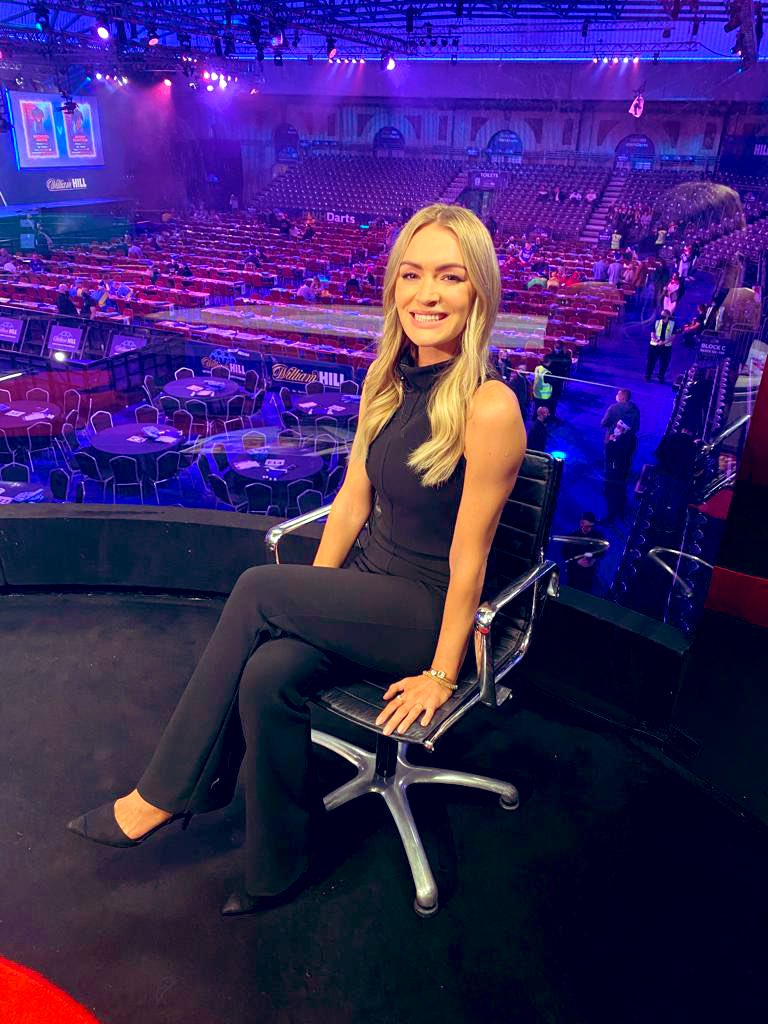
In the middle of her account, the identity became clear: Laura Woods.
Known for her presence across major sports broadcasts and her calm authority in high-pressure environments, Woods revealed a side of her life rarely seen—one marked by pain, fear, and vulnerability. The accident occurred in 2024 while she was on a romantic getaway with her fiancé, reality television star Adam Collard. What followed was not only physical recovery, but a long psychological journey.
She described undergoing extensive treatment in an attempt to minimize scarring. Red light therapy became routine. Later came laser procedures—expensive, painful, and emotionally draining. She spoke candidly about a period she dubbed the “Bear Grylls stage,” when scars appeared worse rather than better, creating the impression that healing was moving in reverse.
“I look like I was put in a toaster,” she wrote after one laser session, trying to balance honesty with humor. Beneath the lighthearted tone, however, lay a deeper truth: recovery was not linear, and each mirror carried a reminder of how suddenly life had changed.
Then came another unexpected twist.
In the weeks following the accident, Woods discovered she was pregnant. The timing reshaped everything. Treatment had to be paused. The focus shifted from scars to survival, from appearance to life itself. The priority became the baby she was carrying.
That child, Leo, was born in January 2025.
Motherhood brought a new perspective. The routines of caring for an infant—feeding, sleepless nights, learning a new rhythm of life—pulled attention away from scars and self-doubt. Yet the emotional impact of the injury did not vanish. Woods admitted that her confidence suffered. She sees the scars in photographs. She notices them when she smiles or frowns. The camera, once an extension of her professional identity, became a mirror she could not avoid.
“Yes, definitely, I’ve lost confidence,” she told followers when asked directly.
The honesty resonated widely. In an industry built on image, admitting insecurity can feel like breaking an unspoken rule. Woods did it anyway. Her account reframed public perception, not as weakness, but as strength. The scars became evidence not of damage, but of survival.
The relationship with Collard also entered a new phase. The couple had gone public in late 2023 and became engaged in September 2024 after a beach proposal in Cornwall. Their journey—already under public scrutiny—now included trauma, recovery, and parenthood. Through it all, Woods described the period as transformative, forcing her to confront fragility and resilience at the same time.
What makes the story resonate is not the celebrity element, but the universality of the experience. Accidents happen without warning. Bodies change. Confidence falters. Life shifts direction in an instant. Woods’ decision to show the raw aftermath—blood, bandages, scars—cut through the polished image often associated with public figures.
She did not frame herself as heroic. She did not minimize the fear. She acknowledged pain, vanity, frustration, and hope all at once.
There is also a broader cultural undertone. In media and sport, women are often expected to appear composed, flawless, and unaffected by personal hardship. Woods’ account challenged that expectation. It suggested that professionalism and vulnerability are not opposites. They can coexist.
The scars remain. Treatments continue. Confidence rebuilds slowly. But what began as a freak accident has become something else: a story of adaptation.
Woods now occupies a space that blends authority with authenticity. She remains a leading voice in sports broadcasting, yet carries visible evidence that life does not pause for schedules or cameras. Her experience reframes the narrative around injury—not as something to conceal, but as something that can be confronted openly.
In sharing her story, she offered more than images. She offered permission: to heal imperfectly, to admit fear, to feel changed without feeling broken.
A shattered light fixture altered the course of a holiday. It also reshaped a perspective. From emergency rooms to maternity wards, from laser clinics to broadcast studios, the journey has been long and uneven.
But it continues—marked not only by scars, but by resilience.

Emily Johnson is a critically acclaimed essayist and novelist known for her thought-provoking works centered on feminism, women’s rights, and modern relationships. Born and raised in Portland, Oregon, Emily grew up with a deep love of books, often spending her afternoons at her local library. She went on to study literature and gender studies at UCLA, where she became deeply involved in activism and began publishing essays in campus journals. Her debut essay collection, Voices Unbound, struck a chord with readers nationwide for its fearless exploration of gender dynamics, identity, and the challenges faced by women in contemporary society. Emily later transitioned into fiction, writing novels that balance compelling storytelling with social commentary. Her protagonists are often strong, multidimensional women navigating love, ambition, and the struggles of everyday life, making her a favorite among readers who crave authentic, relatable narratives. Critics praise her ability to merge personal intimacy with universal themes. Off the page, Emily is an advocate for women in publishing, leading workshops that encourage young female writers to embrace their voices. She lives in Seattle with her partner and two rescue cats, where she continues to write, teach, and inspire a new generation of storytellers.