



NOTE: VIDEO AT THE END OF THE ARTICLE:
New footage from this weekend’s “No Kings” protests has sparked outrage after children were seen participating in politically charged demonstrations, including vulgar chants and mock acts of violence aimed at former President Donald Trump.
Videos captured by reporters from the Daily Caller show young children at the protests being encouraged by adults to use crude language against Trump and join in symbolic gestures meant to mock or threaten the former president. One particularly controversial moment was recorded in Washington, D.C., where a young child was handed a microphone and shouted an obscenity about Trump before a woman—reportedly the child’s mother—quickly pulled them away.
The demonstrations, which took place Saturday in cities like Washington, D.C., Portland, and Los Angeles, were billed as nationwide opposition to Trump’s sweeping deportation order and the broader immigration crackdown. But what began as peaceful gatherings quickly devolved into chaos in several cities.
In Portland, rioters breached a facility used by U.S. Immigration and Customs Enforcement (ICE), prompting a rapid law enforcement response. Federal officials reported the use of fireworks, smoke bombs, and projectiles aimed at ICE personnel and buildings.
The involvement of children in such environments—where violence and profanity were prevalent—has raised concerns about the politicization of youth. Critics are accusing protest organizers and participating parents of exploiting minors for shock value and propaganda.
“It’s appalling,” said one former federal official. “These children are too young to understand the gravity of the issue, and putting them in volatile environments like these is reckless at best, dangerous at worst.”
The incident echoes a broader debate about the use of children in political demonstrations, particularly when tensions are high and the potential for violence looms large.
While supporters of the protests argue that youth involvement symbolizes intergenerational unity and urgency on human rights, detractors say it crosses ethical lines—especially when it involves profanity and simulated violence.
Saturday’s protests were part of a wave of unrest following President Trump’s order directing ICE to begin what he called the “largest mass deportation effort in American history.” Violent flashpoints were reported in several cities, and over a dozen arrests were made in Portland alone.
As the protests continue, growing scrutiny now falls not just on policy—but on tactics, and how far activists are willing to go to send a message.
PLAY:
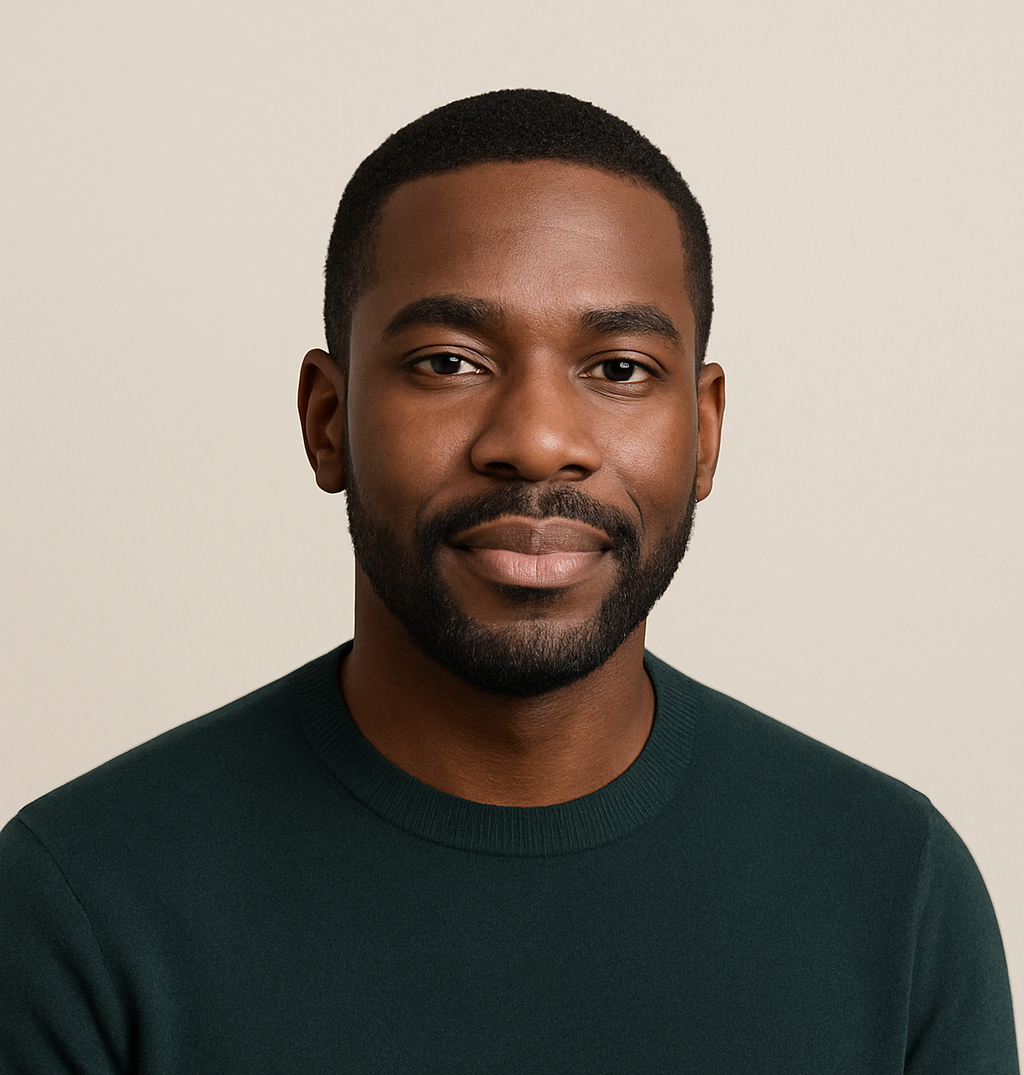
James Jenkins is a celebrated Pulitzer Prize-winning author whose work has reshaped the way readers think about social justice and human rights in America. Raised in Atlanta, Georgia, James grew up in a community that instilled in him both resilience and a strong sense of responsibility toward others. After studying political science and creative writing at Howard University, he worked as a journalist covering civil rights issues before dedicating himself fully to fiction. His novels are known for their sharp, empathetic portraits of marginalized communities and for weaving personal stories with broader political realities. Jenkins’s breakout novel, Shadows of Freedom, won national acclaim for its unflinching look at systemic inequality, while his more recent works explore themes of identity, resilience, and the fight for dignity in the face of oppression. Beyond his novels, James is an active public speaker, lecturing at universities and participating in nonprofit initiatives that support literacy and community empowerment. He believes that storytelling is a way to preserve history and inspire change. When not writing, James enjoys jazz music, mentoring young writers, and traveling with his family to explore cultures and stories around the world.


