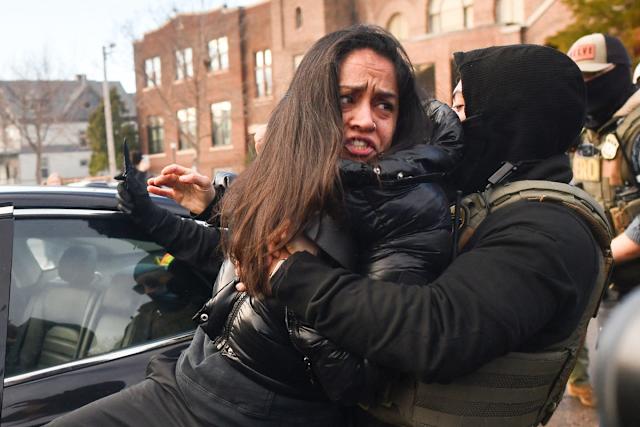
Minneapolis was the scene of a tense confrontation on Tuesday as federal agents were captured on video forcibly removing a woman from her car during an immigration enforcement operation. The incident comes amid heightened scrutiny of federal enforcement in the city following the fatal shooting of Renee Nicole Good, a 37-year-old mother of three, by an Immigration and Customs Enforcement (ICE) agent earlier this month.
The footage shows the woman positioned in her car on a city street, seemingly attempting to block ICE vehicles that were trying to navigate through a crowd of protesters. Eyewitnesses reported that the woman appeared to wedge federal agents between her vehicle and another car, effectively creating a barrier that impeded the officers’ movement. In response, agents broke the passenger-side window, reached inside, and pulled the woman from the vehicle before placing her into custody.
Bystanders could be heard shouting at the agents during the incident, expressing outrage at the forceful removal. Some protesters yelled phrases such as “Nasis” and “You will pay for your crimes,” highlighting the intense emotions surrounding federal enforcement in Minneapolis. The scene was chaotic, with demonstrators surrounding the agents and blocking traffic, creating a tense standoff that lasted for several minutes.
ICE Acting Executive Associate Director Marcos Charles confirmed that at least 60 protesters were arrested during the enforcement operations that day. He stated that the individuals were charged with obstructing officers or assaulting federal personnel. The arrests are part of ongoing federal efforts to maintain control during immigration enforcement operations, which have drawn both local and national attention due to recent events in the city.
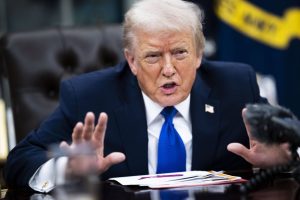
The Minneapolis operation has been a flashpoint for controversy, coming just a week after the death of Renee Good. Good was shot and killed by ICE officer Jonathan Ross during a similar enforcement action. Initially, federal authorities, including President Donald Trump and Homeland Security Secretary Kristi Noem, described Good as a “domestic terrorist” due to claims that she had attempted to use her vehicle against officers. Subsequent release of video footage, however, cast doubt on the official narrative, showing circumstances that suggested the situation may not have warranted lethal force.
Trump later softened his language when addressing Good’s father in an interview, stating that while Good’s actions were “pretty tough,” he believed she was “a very solid, wonderful person” under normal circumstances. Despite this adjustment, federal enforcement operations have continued, and the Minneapolis incident with the woman in the car highlights the intensity of federal efforts in the region.
Local authorities and civil rights advocates have condemned the enforcement tactics used in Minneapolis. They argue that the aggressive approach taken by federal agents, including the forcible removal of individuals from vehicles and the use of arrests for obstructing operations, creates fear in the community and risks escalating confrontations. Many residents have expressed concern that such operations disproportionately affect everyday civilians and may infringe on constitutional rights, including freedom of speech and assembly.
Community leaders in Minneapolis have noted that these enforcement actions have disrupted daily life in neighborhoods and created heightened anxiety among residents. The removal of the woman from her car, according to some observers, serves as an example of federal overreach that undermines trust between law enforcement and the communities they are supposed to protect. The incident has also sparked broader discussions about accountability and oversight in federal operations.
Supporters of the federal enforcement actions argue that ICE agents have a legal obligation to carry out their duties and that arrests of individuals who obstruct operations are justified. They assert that blocking federal vehicles or failing to comply with officers’ lawful orders can pose significant safety risks. In statements following the incident, federal officials emphasized that the enforcement operations are necessary to ensure compliance with immigration laws and to maintain order during protests and demonstrations.
The woman involved in the incident reportedly indicated that she was attempting to reach a doctor’s appointment at the time of her removal, and she expressed distress over the force used by federal agents. While her identity and background have not been publicly disclosed, her case underscores the personal impact of federal enforcement operations on individuals who may become caught in the midst of demonstrations and official actions.
This incident is part of a larger pattern of federal enforcement in Minneapolis that has become highly controversial. After Good’s death, thousands of residents protested, calling for accountability for ICE actions and questioning the federal presence in the city. Demonstrations have been marked by large crowds, heightened tensions, and occasional clashes between federal agents and civilians. Local officials, including Minneapolis Mayor Jacob Frey, have publicly criticized federal operations, labeling them as chaotic and disruptive to community safety.
The political ramifications of these enforcement actions are significant. Lawmakers, advocacy groups, and community leaders have called for investigations into the actions of ICE and other federal agencies operating in Minneapolis. Some state and local politicians have introduced legislation aimed at limiting federal authority within the city and enhancing oversight of immigration enforcement actions. These measures are part of a broader national conversation about the balance between federal law enforcement powers and civil liberties at the local level.
In addition to the political fallout, legal questions surrounding the Minneapolis operations continue to emerge. Civil rights organizations have raised concerns about potential violations of constitutional protections, particularly in cases where individuals are forcibly removed from vehicles or detained during protests. Lawsuits have been filed to challenge the scope and methods of federal operations, arguing that they exceed the limits of lawful authority and risk endangering innocent civilians.
The Minneapolis incident also highlights the challenges faced by federal agents during enforcement operations. Agents often operate in highly charged environments where protests and public demonstrations are present, creating situations that require rapid decision-making and tactical responses. While federal authorities maintain that their actions are necessary to enforce immigration laws, the resulting confrontations, arrests, and use of force have drawn intense scrutiny from media outlets, advocacy groups, and the general public.
The death of Renee Good remains a central element of the controversy. The fatal shooting by ICE officer Jonathan Ross has become a focal point for national debate over immigration enforcement tactics, the use of lethal force, and the accountability of federal officers. The Minneapolis incident involving the woman pulled from her car illustrates the ongoing tension and volatility of federal operations in the area, showing that the aftermath of Good’s death continues to reverberate throughout the community.
Protests in Minneapolis have continued since Good’s death, with demonstrators demanding accountability for federal agents and calling for policy changes regarding immigration enforcement. The federal government’s approach, including deploying additional agents and conducting aggressive operations, has been met with mixed reactions. While some officials and members of the public support firm enforcement of immigration laws, others argue that the methods used are disproportionate and endanger civil liberties.
National attention on these enforcement actions has amplified public scrutiny. Media coverage, eyewitness accounts, and video footage have documented incidents like the forcible removal of the woman from her car, fueling debate over the appropriate use of force and federal authority. Social media has also played a significant role in shaping public perception, as videos and firsthand accounts circulate widely, drawing criticism and calls for accountability.
In conclusion, the Minneapolis incident on Tuesday underscores the ongoing controversy surrounding federal immigration enforcement in the city. The forcible removal of a woman from her car highlights the high tensions between federal agents, protesters, and civilians caught in the middle. While federal officials maintain that their actions are legally justified and necessary to enforce immigration laws, critics argue that such measures constitute overreach and risk further inflaming an already volatile situation.
The Minneapolis community, political leaders, and advocacy groups continue to monitor the situation closely. The federal government faces pressure to balance the enforcement of immigration laws with the protection of civil liberties and community safety. As demonstrations continue and legal challenges unfold, the events in Minneapolis may serve as a key case study in the broader national debate over immigration enforcement, the use of force, and the relationship between federal authorities and local communities.
The incident demonstrates the complex and often contentious nature of federal operations in areas with active public dissent, highlighting the ongoing need for accountability, transparency, and careful oversight in law enforcement.

Emily Johnson is a critically acclaimed essayist and novelist known for her thought-provoking works centered on feminism, women’s rights, and modern relationships. Born and raised in Portland, Oregon, Emily grew up with a deep love of books, often spending her afternoons at her local library. She went on to study literature and gender studies at UCLA, where she became deeply involved in activism and began publishing essays in campus journals. Her debut essay collection, Voices Unbound, struck a chord with readers nationwide for its fearless exploration of gender dynamics, identity, and the challenges faced by women in contemporary society. Emily later transitioned into fiction, writing novels that balance compelling storytelling with social commentary. Her protagonists are often strong, multidimensional women navigating love, ambition, and the struggles of everyday life, making her a favorite among readers who crave authentic, relatable narratives. Critics praise her ability to merge personal intimacy with universal themes. Off the page, Emily is an advocate for women in publishing, leading workshops that encourage young female writers to embrace their voices. She lives in Seattle with her partner and two rescue cats, where she continues to write, teach, and inspire a new generation of storytellers.