As lawmakers race to complete their final legislative business before the end of the year, the Senate delivered one of its most consequential votes on Wednesday, approving a far-reaching package that touches nearly every corner of U.S. national security policy. The measure moved forward with broad bipartisan backing, signaling rare agreement in a chamber otherwise defined by gridlock.
The vote marked the culmination of months of negotiations, disputes, and quiet compromises, many of which unfolded far from public view. While the final tally suggested strong consensus, the path to passage revealed lingering disagreements over transparency, oversight, and the balance between security and accountability.
For congressional leaders, the outcome represented both relief and momentum as attention now shifts to unresolved nominations and looming funding deadlines.
A Familiar Year-End Ritual, With Unfamiliar Tension
Each year, Congress takes up a sprawling defense package that authorizes funding levels and sets policy priorities for the military. Traditionally, the legislation advances with minimal disruption, viewed as a must-pass measure regardless of partisan divides.
This year’s process, however, proved more complicated.
While the Senate moved relatively smoothly toward a vote, negotiations in the House introduced uncertainty, raising the possibility that disagreements could derail or delay final passage. Lawmakers from both parties expressed concern over specific provisions, even as they acknowledged the importance of keeping the defense authorization process on track.
By midweek, pressure mounted to finalize the bill and send it forward before the legislative calendar narrowed further.
The Senate Vote
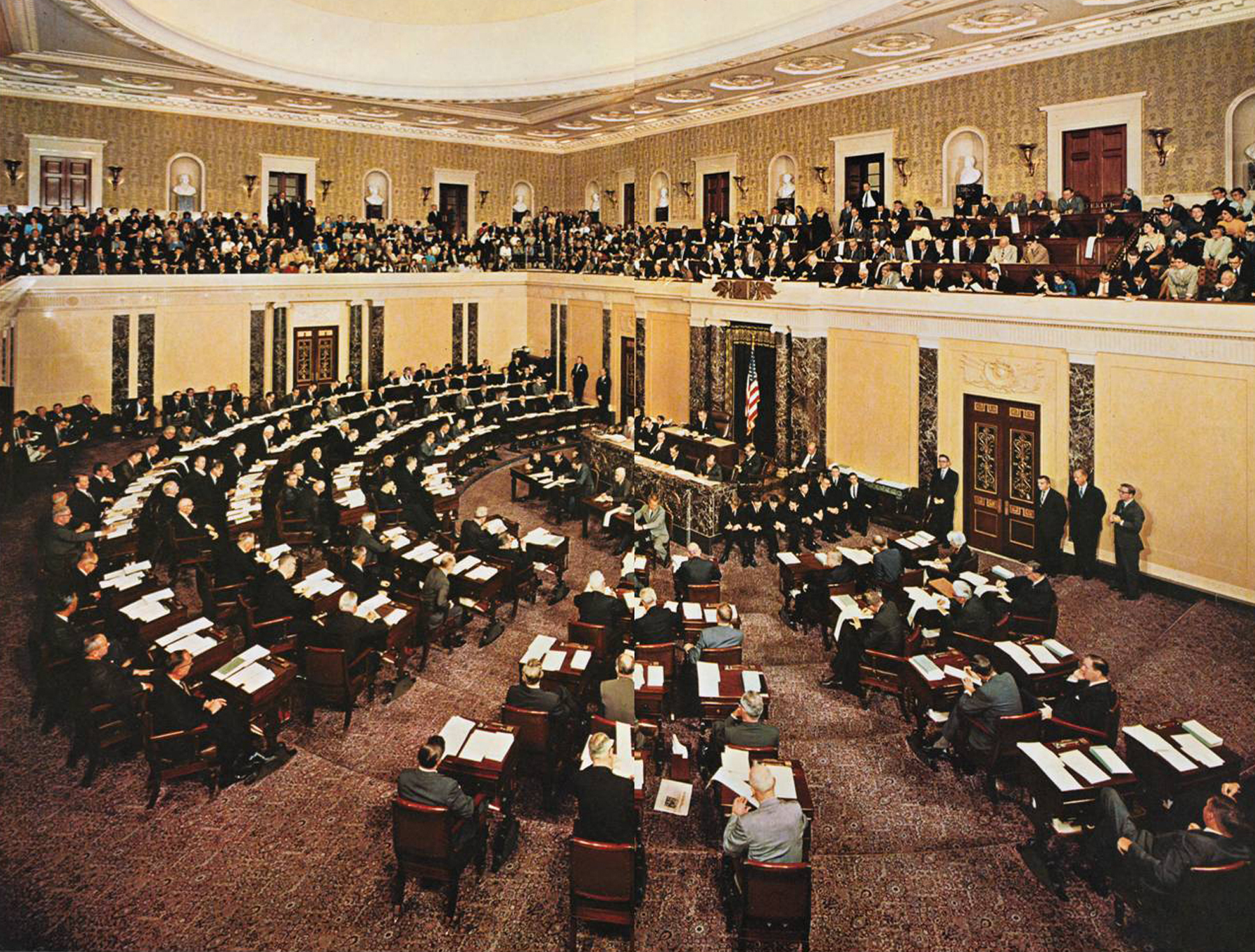
The package passed the Senate by a decisive 77–20 margin, reflecting support from Republicans and Democrats alike. Leaders framed the vote as evidence that national defense remains one area where bipartisan cooperation is still possible.
Despite the wide margin, the debate leading up to the vote highlighted unresolved tensions over certain elements embedded in the legislation—tensions that may resurface in future fights.
Still, senators opted to move the bill forward rather than reopen negotiations that could have forced the measure back to the House and jeopardized its passage before year’s end.
Safety Concerns Spark Pushback
One of the most contentious issues involved a provision related to airspace safety over Washington, D.C. Lawmakers raised alarms about language that would have relaxed certain standards, particularly in the wake of a deadly incident earlier this year.
That tragedy—a collision involving a military helicopter and a passenger jet near Ronald Reagan Washington National Airport—claimed 67 lives and intensified scrutiny over aviation safety in the nation’s capital.
Several senators argued that any reduction in safeguards, however technical, was unacceptable given the circumstances.
An Amendment That Didn’t Make the Cut
Senate Commerce Committee Chair Ted Cruz of Texas attempted to strip the disputed airspace provision from the bill. In its place, he proposed adding his own legislation, which would mandate new technology to improve aircraft awareness and reduce collision risks.
While the proposal gained attention, incorporating it would have required amending the package—sending it back to the House and reopening negotiations that leadership was eager to conclude.
Instead, Cruz announced plans to attach his proposal to future spending legislation, signaling that the issue remains unresolved and likely to resurface.
Transparency Disputes Behind the Scenes
Beyond aviation safety, another provision drew scrutiny for its implications around transparency. Lawmakers inserted language tying certain funding approvals to the release of unedited footage from U.S. military strikes conducted in the Caribbean.
The provision reflects growing concern among some lawmakers about the administration’s expanded use of military force against suspected drug-trafficking vessels and the limited public information surrounding those operations.
While the requirement did not derail the bill, it sparked sharp debate during briefings held earlier this week.
Briefings That Raised More Questions
Secretary of Defense Pete Hegseth and Secretary of State Marco Rubio met with senators to discuss the strikes and address concerns. Republican senators largely emerged satisfied, according to participants, while Democrats voiced frustration.
Some lawmakers complained that unedited footage from the operations was not shown to the entire chamber, arguing that selective disclosure undermines trust.
Senate Minority Leader Chuck Schumer criticized the briefing as insufficient, questioning whether lawmakers could adequately assess administration actions without full transparency.
Administration officials have suggested that much of the footage remains classified, limiting what can be shared in open settings.
What the Package Actually Is
Only after these debates did the Senate finalize and send forward the legislation itself: the National Defense Authorization Act, a sweeping $901 billion measure that sets defense spending levels and policy priorities for the coming year.
The NDAA authorizes funding for military pay, weapons systems, readiness programs, and overseas operations, while also including numerous policy directives shaped by months of negotiations.
Despite its size, the bill is distinct from appropriations legislation and does not itself release funds—though it heavily influences how those funds are later allocated.
Key Provisions Inside the Bill
The legislation includes a range of bipartisan priorities, among them continued assistance for Ukraine amid ongoing conflict, as well as the repeal of outdated authorizations for the use of military force dating back to the Gulf War and the Iraq War.
Supporters say those repeals reflect an effort to modernize U.S. war powers and remove obsolete legal authorities that no longer reflect current realities.
Other sections address service member benefits, procurement reforms, and oversight mechanisms designed to track how defense dollars are spent.
Why Lawmakers Ultimately Backed It
For many senators, the decision to support the bill came down to pragmatism. While few described the package as perfect, most agreed that failing to pass it would create uncertainty for the military and undermine long-term planning.
Senate leaders emphasized that defense readiness requires predictability, even when disagreements persist over specific policies.
That calculation ultimately outweighed objections from both the left and the right.
Next Stop: The White House
With Senate approval secured, the bill now heads to President Donald Trump’s desk for signature. The White House has signaled support for the package, and no veto threat has been issued.
Once signed, the NDAA will serve as the framework for defense policy as Congress turns to the more contentious task of funding the government.
What Comes Next on Capitol Hill
Despite passing one of the year’s largest bills, the Senate’s work is far from finished. Republicans are pushing to confirm nearly 100 of President Trump’s nominees before the session ends, while bipartisan talks continue over a five-bill spending package.
That spending legislation is aimed at averting a government shutdown ahead of a January 30 deadline, setting up another high-stakes confrontation in the coming weeks.
Leadership’s Closing Message
Senate Majority Leader John Thune of South Dakota acknowledged that the defense package fell short of what some lawmakers wanted, but framed it as meaningful progress.
In a dangerous world, he said, continued investment in national defense remains essential.
With the bill now sent forward, attention turns to whether Congress can carry the same momentum into the next round of legislative challenges—or whether familiar divisions will once again take center stage.