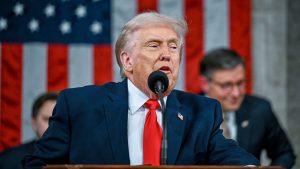

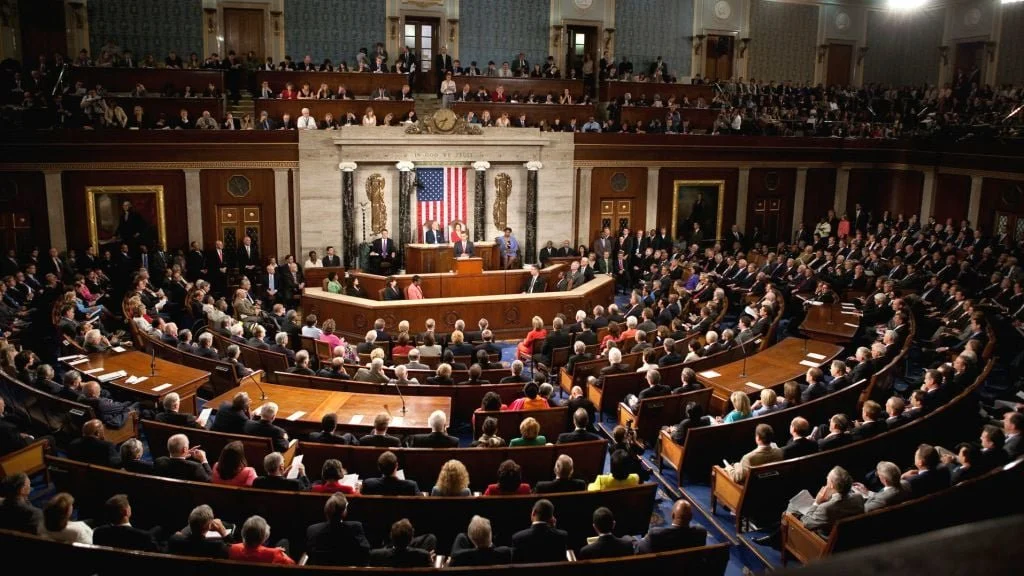
In a late-session push before the holiday recess, the U.S. Senate on Thursday evening confirmed 97 of President Donald Trump’s nominees for positions across the federal executive branch. The confirmations, approved by a 53–43 vote, mark a major step in filling key leadership roles and reflect the administration’s continued effort to consolidate personnel ahead of the new year. Hundreds of additional nominees remain pending, leaving the Senate with a full docket of approvals and debates for early 2026.
The 97 nominees confirmed include a diverse group of appointees spanning multiple agencies, ranging from assistants and undersecretaries to U.S. attorneys, ambassadors, and other high-level administrative officials. This latest round represents the third slate of Trump appointees approved through a consolidated voting process, a procedure that allows the Senate to consider large groups of nominations simultaneously rather than individually. Proponents argue that this streamlines confirmations, reduces procedural delays, and ensures critical positions across federal agencies are staffed in a timely manner.
Among the confirmed nominees is James Percival, designated as General Counsel for the Department of Homeland Security (DHS). Percival is expected to play a pivotal role in defending the administration’s policies and programs, including ongoing disputes regarding mass deportation and immigration enforcement. Analysts note that the appointment comes at a time when the administration faces heightened legal scrutiny over its immigration policies, with several court challenges currently pending. In his new role, Percival will be responsible for advising the DHS on legal matters, overseeing internal compliance, and representing the department in high-profile litigation.
Another significant confirmation is Jonathan Burke, who has been approved as the Treasury Department’s anti-terrorism nominee. Burke will oversee critical programs aimed at disrupting financial networks used by terrorist organizations and transnational criminal enterprises, including major drug cartels. This position places him at the intersection of national security and financial oversight, as he will be tasked with monitoring, investigating, and preventing the funding of entities that threaten U.S. interests both domestically and abroad. Observers note that Burke’s confirmation is particularly timely, given recent concerns about international money-laundering operations and their impact on national security.
The bulk confirmations also include a range of ambassadorial appointments, which will shape the United States’ foreign relations in the coming years. While specific names were not released immediately alongside the vote tally, officials confirmed that several strategic postings in Europe, the Middle East, and Latin America were included. These appointments are critical for maintaining diplomatic continuity and advancing the administration’s foreign policy agenda, particularly in regions facing political instability or security challenges.
Senate Republican leaders emphasized the importance of these confirmations in ensuring the smooth operation of federal agencies. “We have a responsibility to make sure that the executive branch is fully staffed and functioning effectively,” said one Senate Republican aide. “Confirming these nominees before the holiday break allows the administration to move forward with its priorities without unnecessary delays.”
Democratic lawmakers, however, criticized the mass confirmations, arguing that the process allows nominees to bypass rigorous individual scrutiny. Senator [Name], a ranking member of a key Senate committee, expressed concern over what they described as “rubber-stamp approvals” that leave little room for thorough vetting of candidates’ qualifications or potential conflicts of interest. “While efficiency is important, it should not come at the cost of accountability,” the senator said. “We are talking about positions that have real consequences for national security, legal oversight, and foreign policy. Each nominee deserves careful consideration.”
Despite these criticisms, the confirmations reflect a broader trend in which the Senate has increasingly relied on consolidated voting to approve executive branch personnel. This method has become a practical solution to the high volume of nominations generated by a large federal government and an administration actively seeking to fill leadership roles. According to legislative analysts, the number of nominees pending confirmation has been higher than in past administrations at this point in the cycle, underscoring the scale of the administration’s staffing efforts.
Observers also highlight the strategic significance of these appointments for upcoming policy initiatives. With the new year approaching, the administration is preparing to advance a range of domestic and foreign policy priorities, including national security reforms, financial oversight programs, immigration policy updates, and international diplomatic engagements. Filling key leadership positions ensures that the administration has the personnel necessary to implement these initiatives efficiently and respond to emerging challenges.
In addition to Percival and Burke, other confirmed nominees include senior officials in the Departments of Defense, Commerce, Justice, and Energy, as well as numerous assistant secretaries and agency deputies. These appointments collectively provide the administration with the operational and legal capacity to enforce existing policies and pursue new initiatives. Officials note that having confirmed leadership in place across multiple agencies is essential for coordination, particularly in areas such as cybersecurity, counterterrorism, and international trade.
While the Senate vote advances the administration’s staffing goals, the remaining nominees still face a more uncertain path. Hundreds of other appointments await hearings and votes in the coming months, leaving the Senate with a full schedule when the legislative session resumes in January. These pending confirmations include high-profile cabinet-level and subcabinet-level positions, which will require careful negotiation and bipartisan cooperation to secure approval.
The timing of this round of confirmations, immediately prior to the holiday recess, reflects the Senate’s desire to conclude critical business before lawmakers depart for winter break. Senate leadership emphasized that the approvals would allow agencies to begin the new year with fully staffed teams and reduce delays in implementing policy priorities. For the administration, the confirmations represent a tangible step in consolidating power and ensuring that its leadership structure is prepared for the challenges and initiatives of 2026.
Policy experts note that confirmed appointees such as Percival and Burke will likely have a measurable impact on their respective areas. DHS legal leadership, for example, directly influences enforcement strategies and litigation outcomes related to immigration and national security. Similarly, Treasury’s anti-terrorism oversight affects the effectiveness of sanctions, financial investigations, and programs designed to curb the influence of criminal networks. The leadership decisions made by these officials may shape government policy for years to come.
As the administration transitions into the new year, attention will also focus on the remaining slate of nominees and the broader implications of filling or delaying key positions. Analysts predict that the combination of pre-holiday confirmations and ongoing appointments will allow the administration to maintain momentum in areas such as national security, economic policy, and foreign relations. At the same time, oversight by Congress and public scrutiny will continue to play a central role in ensuring accountability and transparency in the confirmation process.
The confirmations also underscore the political dynamics within the Senate. The 53–43 vote reflects a largely partisan alignment, with Republican senators supporting the slate of nominees and Democrats opposing. This pattern highlights the enduring partisan divide over executive appointments and the broader policy direction of the administration. As lawmakers return in January, further confirmations and policy debates are expected to continue this dynamic, shaping the legislative landscape for the early months of 2026.
In conclusion, the Senate’s approval of 97 Trump nominees represents a significant pre-holiday milestone for the administration, securing leadership across multiple agencies and advancing the government’s operational readiness. With key figures in place to oversee legal, security, diplomatic, and administrative functions, the administration is positioned to pursue its policy objectives efficiently. The remaining nominations, still pending, will continue to be a focal point of legislative and public attention in the coming months. The approvals reflect both the strategic priorities of the administration and the procedural mechanisms the Senate uses to manage the growing volume of executive appointments, signaling the start of an active legislative year in 2026.

Emily Johnson is a critically acclaimed essayist and novelist known for her thought-provoking works centered on feminism, women’s rights, and modern relationships. Born and raised in Portland, Oregon, Emily grew up with a deep love of books, often spending her afternoons at her local library. She went on to study literature and gender studies at UCLA, where she became deeply involved in activism and began publishing essays in campus journals. Her debut essay collection, Voices Unbound, struck a chord with readers nationwide for its fearless exploration of gender dynamics, identity, and the challenges faced by women in contemporary society. Emily later transitioned into fiction, writing novels that balance compelling storytelling with social commentary. Her protagonists are often strong, multidimensional women navigating love, ambition, and the struggles of everyday life, making her a favorite among readers who crave authentic, relatable narratives. Critics praise her ability to merge personal intimacy with universal themes. Off the page, Emily is an advocate for women in publishing, leading workshops that encourage young female writers to embrace their voices. She lives in Seattle with her partner and two rescue cats, where she continues to write, teach, and inspire a new generation of storytellers.