


NOTE: VIDEO AT THE END OF ARTICLE
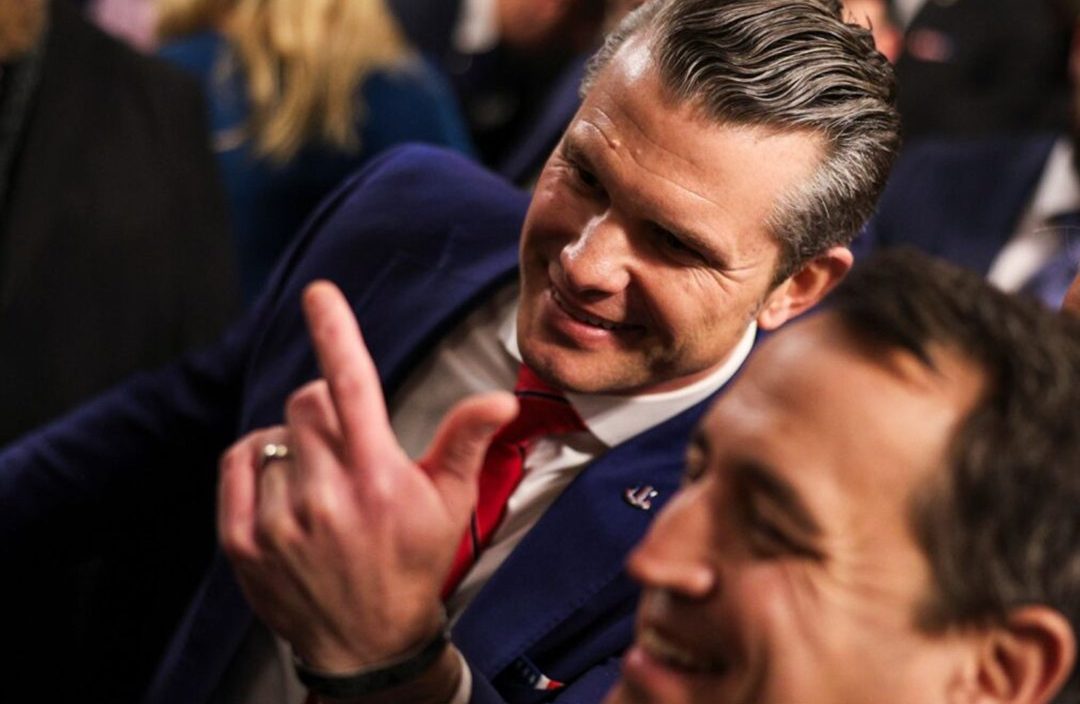
Defense Secretary Pete Hegseth found himself in a heated exchange with Senator Mazie Hirono (D‑HI) during a Senate Armed Services Committee hearing on Wednesday. The conflict centered on the federal deployment of U.S. Marines and National Guard troops to Los Angeles in response to anti‑ICE protests.
Sen. Hirono questioned whether the administration was “escalating tensions” and even “using lethal force” against civilians. She directly asked Hegseth, “Do you plan to unleash this lethal force against U.S. citizens and civilians in LA and other cities?”
Hegseth firmly rejected that depiction. He defended the actions of federal forces, citing their professionalism in protecting agents and enforcing immigration laws. He emphasized that officials supporting deportation efforts acted responsibly and lawfully. He added that roughly 21 million undocumented individuals crossed the border under the previous administration, framing the federal operation as a continuation of deportation enforcement.
Hirono swiftly pressed him to clarify whether he would obey President Trump if ordered to “shoot peaceful protesters in the legs.” Hegseth stood his ground again, asserting the premise was false. He refused to entertain the notion that he would carry out what he called “unlawful” orders, and accused critics of smearing both himself and the commander-in-chief.
The tense hearing came shortly after a Clinton-appointed federal judge issued an order prohibiting the use of the California National Guard amid unrest. That ruling was temporarily reversed by a federal appeals court, allowing continued deployment. Hegseth highlighted his opposition to the idea that district courts should determine national security policy.
He said the federal government acted to “defend our federal agents” and insisted that military personnel behaved “with utmost professionalism.” He argued the federal intervention aimed to ensure that agents could carry out their duties safely.
The Los Angeles riots had worsened in recent days, driven by demonstrations against ICE operations. Protesters reportedly hurled Molotov cocktails and fireworks at agents and officers. According to DHS, Emiliano Garduno‑Galvez—a Mexican national previously deported—is now charged with attempted murder after allegedly throwing a Molotov cocktail on June 7.
Deployments of both the National Guard (around 4,000 troops) and about 700 Marines were made across parts of California to assist in maintaining public safety and protecting federal personnel.
Despite strong criticism from Democratic senators—who accused the administration of overreach—Hegseth held firm, stating that the troops operated lawfully and professionally, and that protecting federal officers justified the missions. He maintained that lower courts should not override federal defense decisions, placing national security authority in the hands of the executive and the supreme court.
The hearing underscored deep political divisions over immigration enforcement, military use in domestic matters, and the balance between federal authority and civil rights as the deployment continues across California.
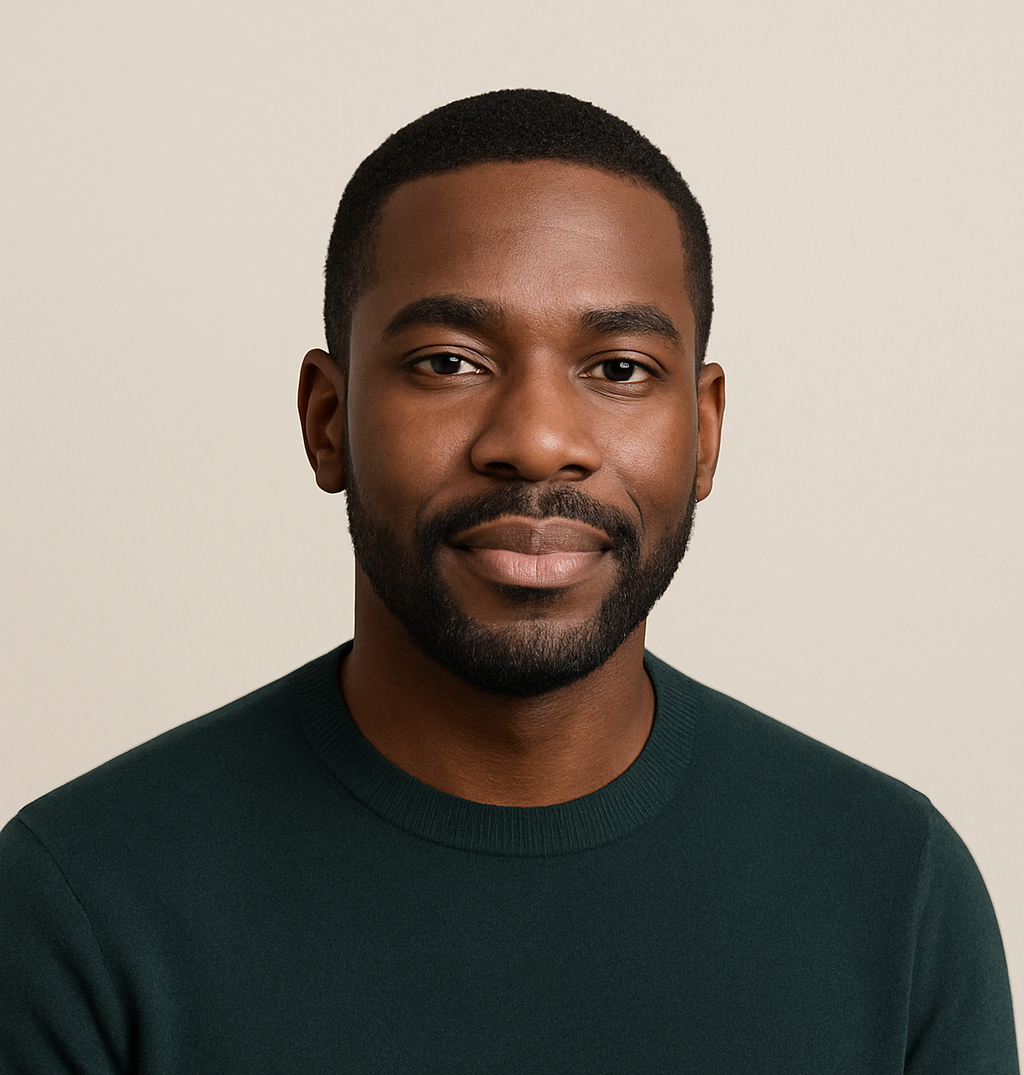
James Jenkins is a celebrated Pulitzer Prize-winning author whose work has reshaped the way readers think about social justice and human rights in America. Raised in Atlanta, Georgia, James grew up in a community that instilled in him both resilience and a strong sense of responsibility toward others. After studying political science and creative writing at Howard University, he worked as a journalist covering civil rights issues before dedicating himself fully to fiction. His novels are known for their sharp, empathetic portraits of marginalized communities and for weaving personal stories with broader political realities. Jenkins’s breakout novel, Shadows of Freedom, won national acclaim for its unflinching look at systemic inequality, while his more recent works explore themes of identity, resilience, and the fight for dignity in the face of oppression. Beyond his novels, James is an active public speaker, lecturing at universities and participating in nonprofit initiatives that support literacy and community empowerment. He believes that storytelling is a way to preserve history and inspire change. When not writing, James enjoys jazz music, mentoring young writers, and traveling with his family to explore cultures and stories around the world.