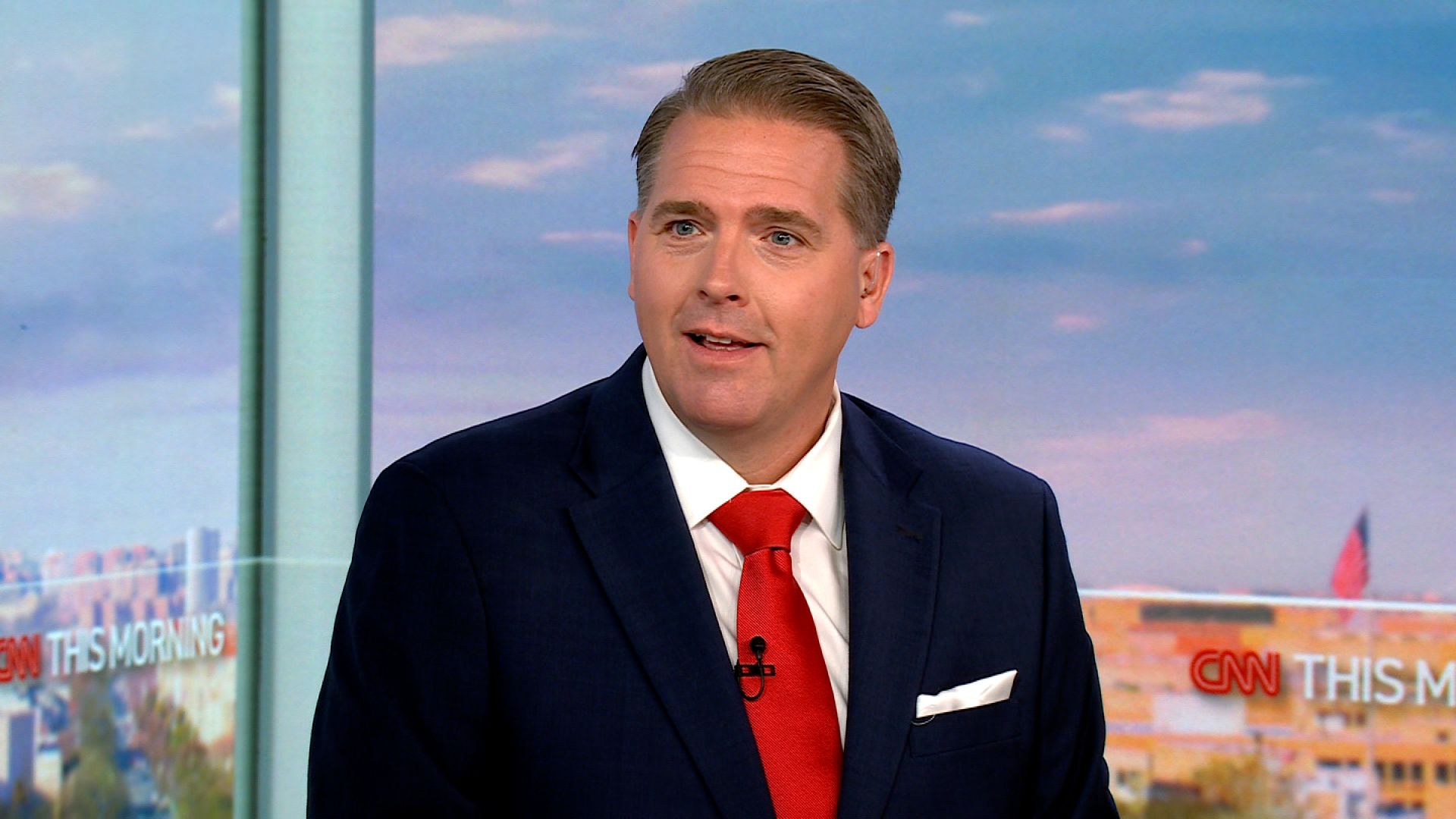
A heated exchange over immigration enforcement unfolded on NewsNight with Abby Phillip this week, as conservative commentator Scott Jennings repeatedly pressed Tennessee State Rep. Justin Pearson on whether he supports deporting any undocumented immigrants from the United States.
The debate occurred during a panel discussion focused on immigration policy and the future of federal enforcement agencies. Pearson, a Democrat who is currently challenging U.S. Rep. Steve Cohen in Tennessee’s 9th Congressional District, reiterated his call to abolish U.S. Immigration and Customs Enforcement (ICE) and U.S. Customs and Border Protection (CBP) in their current forms.
Pearson argued that the agencies, as presently structured, are failing to serve communities and should be replaced with institutions better aligned with what he described as accountability and humane policy goals.
“We have to abolish ICE, we have to abolish the Customs and Border Patrol in the way they currently exist and replace them with something that actually does the work that we need for them to do,” Pearson said during the segment. He added that Congress must be more effective in overseeing executive branch agencies and holding officials accountable.
Jennings, a former Republican strategist and frequent CNN contributor, challenged Pearson’s proposal by asking what specific “work” he believed ICE and CBP should be performing if they were to be restructured or replaced. The question became a focal point of the exchange.
Rather than outlining a detailed alternative framework, Pearson pivoted to concerns about enforcement tactics and community impact. He referenced recent incidents in Minneapolis involving anti-ICE activists, arguing that aggressive immigration enforcement practices have contributed to fear and trauma in certain communities.
Jennings, however, returned to his original line of questioning, seeking clarity on whether Pearson believed any deportations should take place under a reimagined immigration system.
“I’m interested in your opinion,” Jennings said. “What is the work that we need them to do?”
Pearson maintained that the current system requires substantial reform, contending that enforcement agencies have overstepped and harmed communities. He accused ICE and CBP of “terrorizing and traumatizing our communities,” framing his position as one rooted in civil rights and humanitarian concerns.
The conversation then shifted to broader questions about immigration policy. Pearson emphasized the need for what he described as pathways to opportunity for undocumented immigrants currently living in the United States. He argued that many have contributed meaningfully to their communities and should be considered in future legislative reforms.
“What we also need to make sure is that we have elected officials who are creating a pathway of opportunity for people who are currently undocumented,” Pearson said.
Jennings followed up with a more direct question: whether a federal law enforcement agency is necessary to deport individuals who are in the country unlawfully.
Pearson acknowledged that an immigration agency is necessary but did not explicitly state that it should carry out deportations. Instead, he reiterated the need for reforms that focus on legal protections and expanded opportunities.
As Pearson began discussing legal frameworks and protections again, Jennings interjected with a pointed question: “Is there a single illegal alien that you would deport?”
Pearson did not provide a specific example. Instead, he spoke about the broader contributions of immigrants and the importance of policies that reflect compassion and opportunity.
“There are a lot of people in this country and in this community, in our communities, that have done so much to make them better,” Pearson said. “And we need to be prioritizing how we create opportunity and access for them to be there.”
https://youtu.be/xDF78MQroLQ?t=67
Jennings responded by suggesting that Pearson’s answer implied opposition to deportations altogether. “So the answer is no?” he asked.
The exchange grew increasingly tense as Jennings sought a definitive response. He then broadened the question, asking whether Pearson’s stance represented the Democratic Party’s position heading into the 2026 election cycle.
Pearson did not directly characterize his position as representative of the national party. Instead, he returned to concerns about enforcement practices and their consequences, including the Minneapolis incidents he had previously mentioned.
Jennings ultimately summarized the exchange by stating, “No deportations, that’s the Democratic position,” framing Pearson’s responses as an endorsement of ending deportations.
The debate reflects a broader national divide over immigration policy. Calls to abolish or fundamentally restructure ICE have circulated among some progressive activists and lawmakers in recent years, particularly during periods of heightened scrutiny over detention conditions and enforcement tactics. Critics of ICE argue that the agency’s practices have led to family separations and excessive use of detention, while supporters maintain that immigration enforcement is a core function of federal law and national sovereignty.
Pearson has been a prominent and sometimes polarizing figure in Tennessee politics. He rose to national attention in 2023 when he and two other Democratic lawmakers were briefly expelled from the Tennessee House of Representatives after participating in a gun control protest on the chamber floor following a school shooting in Nashville. The expulsions, which were later reversed, drew significant media coverage and debate over legislative decorum and protest rights.
Now mounting a primary challenge against Rep. Steve Cohen, Pearson has positioned himself as a progressive alternative within Tennessee’s Democratic politics. His advocacy for abolishing ICE and CBP in their current forms is consistent with his broader calls for systemic reform across multiple policy areas.
Jennings, for his part, has frequently argued for stricter immigration enforcement and clearer distinctions between legal and illegal immigration. His questioning during the CNN panel echoed a central argument often made by conservatives: that any immigration system must include mechanisms for enforcing existing laws, including deportation when warranted.
The exchange underscores the difficulty of reconciling fundamentally different visions of immigration policy. On one side are those who view enforcement agencies as necessary tools for maintaining border security and upholding federal law. On the other are critics who argue that the current system is overly punitive and in need of comprehensive overhaul.
As immigration continues to rank among the most contentious issues in American politics, debates like the one between Jennings and Pearson are likely to persist. With the 2026 election cycle approaching and policy differences sharpening, questions about enforcement, deportation, and reform will remain central to national discourse.
For viewers of NewsNight, the segment offered a vivid illustration of the ideological divide — and of the challenges panelists face when attempting to bridge it in real time. Whether Pearson’s position gains traction within his party, or whether Jennings’ framing resonates more broadly with voters, will become clearer as the political season unfolds.