The U.S. Senate is preparing for a high-stakes vote that could significantly limit President Donald Trump’s authority in Venezuela, following the dramatic military operation that led to the capture of the country’s longtime leader, Nicolás Maduro.
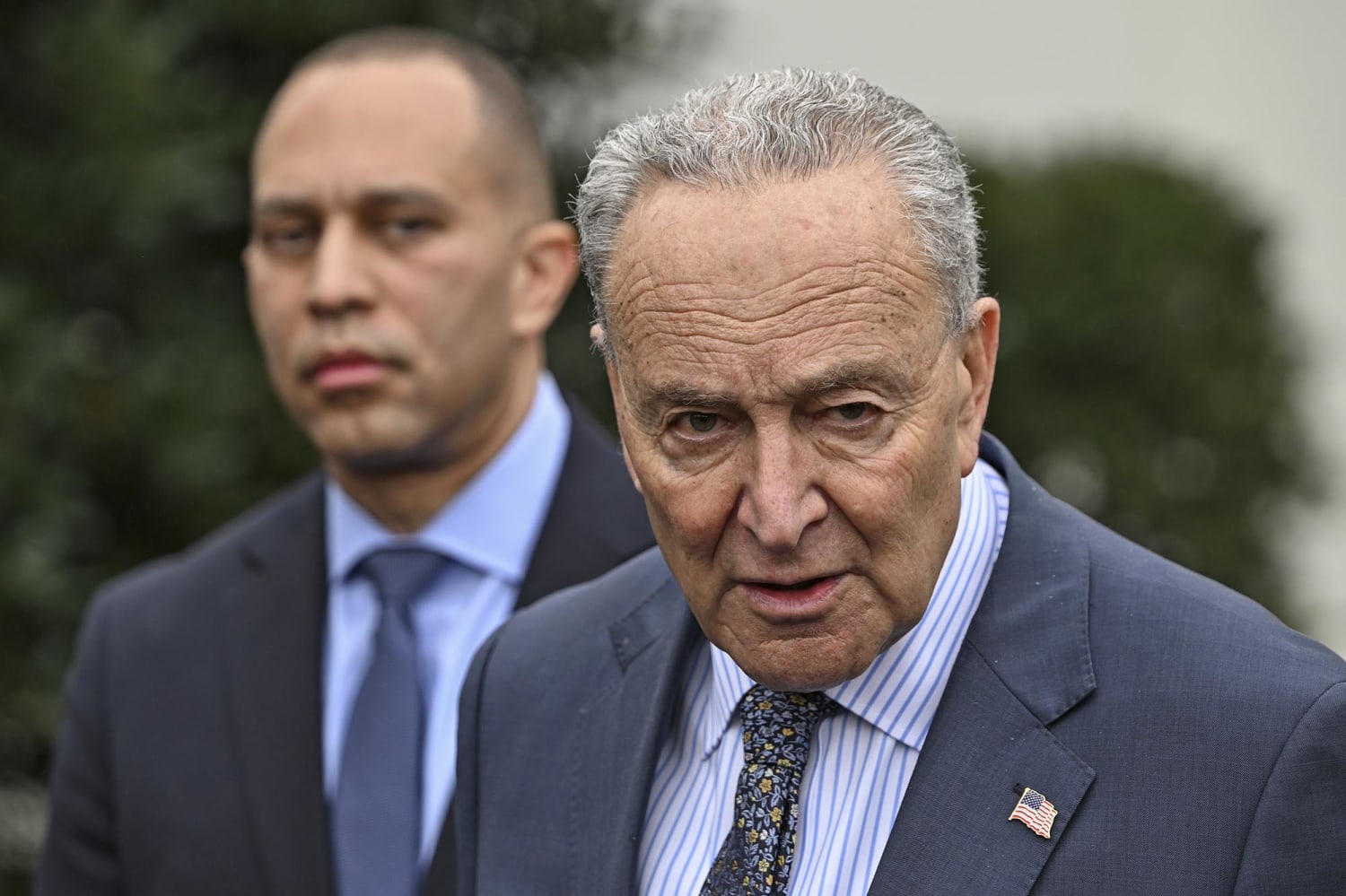
Senate Minority Leader Chuck Schumer said on Sunday that lawmakers are expected to vote this week on whether to formally authorize the use of U.S. military force in Venezuela, escalating a constitutional showdown between Congress and the White House.
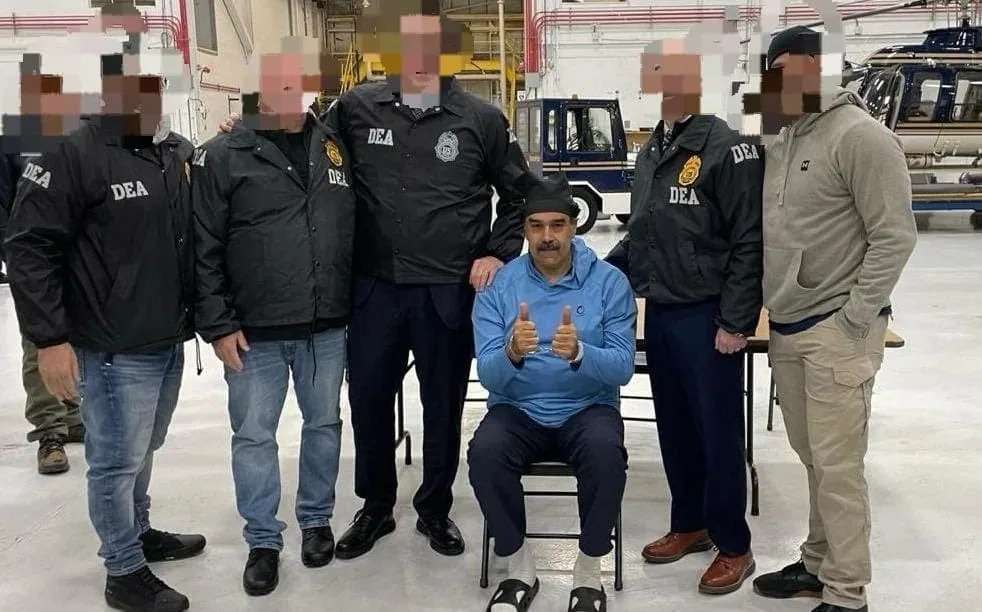
The move comes just days after Trump confirmed that U.S. forces had captured Maduro and his wife during an overnight operation and transferred them to the United States to face criminal charges.
War Powers Act Takes Center Stage
Speaking on national television, Schumer said Congress has a clear mechanism to challenge the president’s actions under the War Powers Act, which allows lawmakers to force a vote on military operations conducted without explicit congressional approval.
“We have the War Powers Act,” Schumer said, adding that Republicans cannot prevent the resolution from reaching the Senate floor once it is introduced.
The resolution is being sponsored by a bipartisan group that includes Tim Kaine, Rand Paul, and Schumer himself. According to Senate leaders, the measure is expected to be debated and voted on within days.
If passed by both the Senate and the House, the resolution would bar the president from taking further military action in Venezuela without explicit authorization from Congress.
Democrats Say Operation Crossed Legal Lines
Democratic leaders have argued that while Maduro is widely viewed as a brutal and corrupt leader, the United States cannot conduct military operations inside a sovereign nation without congressional approval.
“Maduro is a horrible, horrible person,” Schumer said. “But you don’t treat lawlessness with other lawlessness.”
Democrats contend that the Constitution grants Congress—not the president—the power to declare war, and that the operation in Venezuela represents a dangerous expansion of executive authority.
House Minority Leader Hakeem Jeffries echoed those concerns, saying legislative action is necessary to prevent further military escalation.
“We have to make sure that no further military steps occur absent explicit congressional approval,” Jeffries said.
Republicans Divided on Presidential Authority
Republicans remain split over whether Trump’s actions fall within his constitutional powers as commander-in-chief.
Some GOP lawmakers argue that the operation was lawful and justified under Article II of the Constitution, which grants the president authority to protect U.S. personnel and national security interests.
Sen. Mike Lee said the mission could be covered by the president’s inherent authority to respond to imminent threats.
Others, however, have expressed quiet concern about the long-term implications of bypassing Congress, even if they support holding Maduro accountable.
Intelligence Chair Backs Operation
One of the strongest Republican endorsements came from Sen. Tom Cotton, chair of the Senate Intelligence Committee.
Cotton argued that Venezuela under Maduro had become a hub for drug trafficking, weapons smuggling, and hostile foreign actors.
He said the country must expel “the Iranians, the Cubans, the Islamic radicals like Hezbollah” and return to being a “normal nation.”
Supporters of the operation say Trump’s decisive action sends a powerful message to criminal regimes that threaten U.S. security and sovereignty.
Capture of Maduro Raises Stakes
Maduro and his wife were captured during an overnight operation at a secured location in Venezuela and transported to the United States, according to U.S. officials.
Footage of the deposed leader being escorted off a plane by federal agents near New York quickly spread online, underscoring the unprecedented nature of the operation.
Trump later said the United States would oversee Venezuela’s transition until a stable government could be established, a statement that sparked immediate backlash both domestically and internationally.
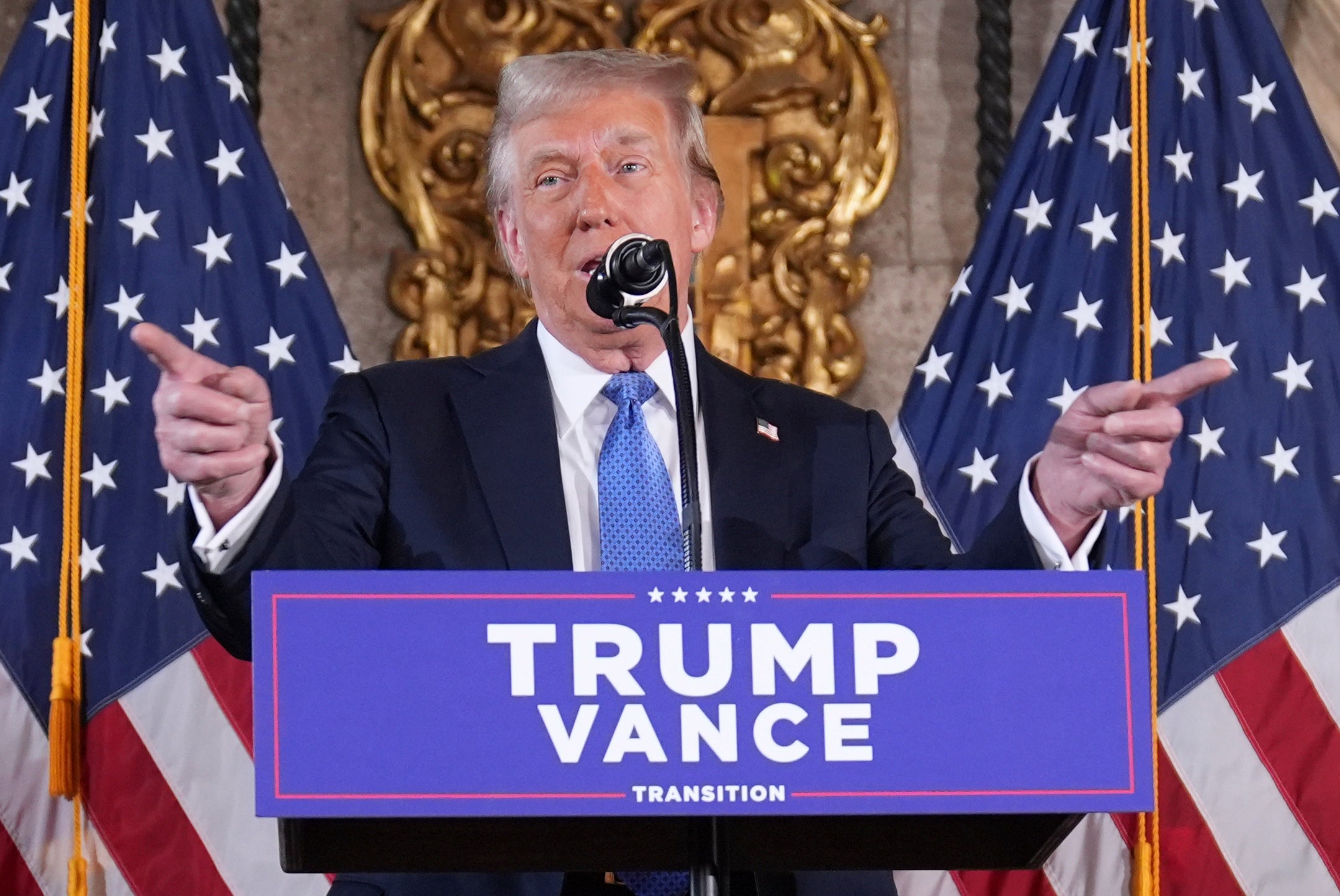
“We’re going to run the country until such time as we can do a safe, proper, and judicious transition,” Trump said at a news conference.
Drug Trafficking and Terror Designations
The administration has justified its actions by pointing to long-standing allegations that Maduro ran a narco-terrorist network known as the Cartel de los Soles.
In late 2025, the State Department formally designated the cartel as a foreign terrorist organization. Secretary of State Marco Rubio later said Venezuela had become a major transshipment hub for drugs entering the United States.
Maduro was first indicted in 2020 on charges related to cocaine trafficking and conspiracy with foreign terrorist groups, but he remained in power until his recent capture.
Vote Math and Political Reality
For the War Powers resolution to pass, Democrats would need at least three Republican senators to join them—an outcome that remains uncertain.
Some Republicans are wary of restricting a president they largely support, while others are concerned about setting precedents that could limit future Republican administrations.
The vote is shaping up to be one of the most consequential foreign policy decisions of Trump’s second term, testing the balance of power between Congress and the White House.
Broader Implications for U.S. Foreign Policy
Legal scholars say the outcome could redefine how far presidents can go when using military force without congressional approval.
If Congress reins in Trump’s authority, it could strengthen legislative oversight of future conflicts. If the resolution fails, it may further entrench executive power in matters of national security.
For voters—particularly older Americans who remember prolonged wars in Iraq and Afghanistan—the debate strikes a familiar chord: how to balance decisive leadership with constitutional safeguards.
What Comes Next
As the Senate prepares to vote, pressure is mounting on both parties to clarify their positions.
Trump has warned that restricting his authority could embolden adversaries and weaken U.S. deterrence, while Democrats argue that unchecked executive power poses its own dangers.
With global attention fixed on Washington, the coming vote will determine not only the future of U.S. involvement in Venezuela—but also who ultimately controls America’s war powers in an era of rising international conflict.