
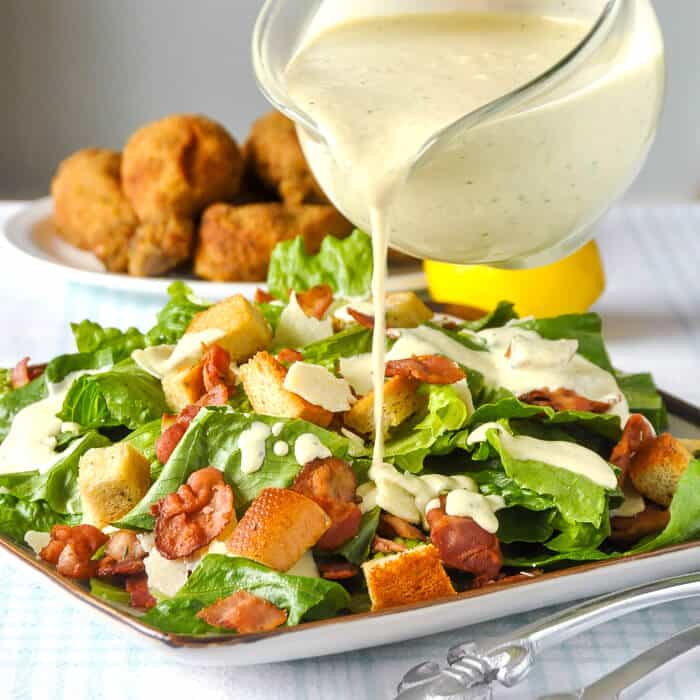
Thousands of cases of popular salad dressings distributed across the United States and even reaching international markets have been recalled following reports of contamination with foreign objects that pose a potential choking hazard. The recall, initiated by California-based Ventura Foods, affects major brands including Hidden Valley Ranch, Pepper Mill, and Ventura Caesar dressings, as well as products served in Costco food courts.
The Food and Drug Administration (FDA) classified the recall as a Class II event, indicating that while the products are unlikely to cause serious health issues, their consumption could lead to temporary or reversible adverse health effects.
Contamination Details and Scope of the Recall
The recall originated after inspections revealed the presence of “black plastic planting material” in onions used in the preparation of the dressings. Ventura Foods first issued the recall on November 11, 2025, with updates provided earlier this month as more products were identified.
Among the recalled products is the widely recognized Hidden Valley Buttermilk Ranch dressing, packaged in one-gallon containers. Notably, this product was designated for food service use only and was never intended for direct consumer purchase.
Other affected dressings include an Italian dressing, Ventura Caesar Dressing, Pepper Mill’s Caesar dressing, and Caesar dressing served at Costco food courts. Overall, the recall covers eight distinct salad dressing products, totaling 3,556 cases.
The distribution of these products spans 42 retail locations across 27 U.S. states, in addition to one international customer in Costa Rica. Sell-by dates on the recalled items include October 17, 2025, and November 9, 2025.
Health Risks Associated With Contamination
While no injuries have been reported in connection with the recall, officials warn that the presence of plastic contaminants poses a significant choking risk. Consumers who ingest the foreign material could also suffer scratches, irritation, or other complications in the throat and digestive tract.
“The contamination of onions with black plastic material, even in small quantities, can create a serious choking hazard,” an FDA spokesperson said. “We urge food service operators and consumers to immediately return any affected products to the place of purchase or safely dispose of them.”
Class II recalls are defined by the FDA as situations in which exposure to a contaminated product could cause temporary or medically reversible adverse health consequences, or where the probability of serious health consequences is remote.
List of Recalled Products
The recall affects the following salad dressings and dips:
-
Italian Salad Dressing, 1 gallon, SKU: 7 67367 00518 4
-
Creamy Poblano Avocado Ranch Dressing and Dip, 1 gallon, SKU: 7 34730 53243 1
-
Ventura Caesar Dressing, 2,000 pounds, SKU: 00 026700 17360 8
-
Pepper Mill Regal Caesar Dressing, 1 gallon, SKU: 0 93901 72607 0
-
Pepper Mill Creamy Caesar Dressing, 1 gallon, SKU: 0 93901 78134 5
-
Caesar Dressing (Costco Service Deli), SKU: 0 26700 19376 7
-
Caesar Dressing (Costco Food Court), SKU: 0 26700 19376 7
-
Hidden Valley Buttermilk Ranch, 1 gallon, SKU: 0 26700 19192 3
Consumers and food service operators are advised to check packaging for these SKUs and sell-by dates, and to follow FDA guidance for safe disposal or return.
Impact on Costco and Food Service Operations
Costco also issued a notice regarding the recall last month, highlighting the affected Caesar salad dressings and the Chicken Sandwich with Caesar Salad served at its food courts. While these items are integral to Costco’s food service operations, officials confirmed that the recall does not impact any packaged products intended for retail sale in regular grocery aisles.
Despite the widespread nature of the recall, no consumer illnesses have been linked to the affected products. Costco and Ventura Foods are coordinating to ensure that all recalled items are removed from shelves and food service lines promptly, reducing the risk of exposure.
Consumer Guidance and Response
The FDA and Ventura Foods are urging customers to take immediate action if they have purchased any of the recalled products. Options include returning the product to the place of purchase for a refund or destroying the product to prevent accidental ingestion.
“Consumers should not attempt to consume any of the recalled salad dressings,” the FDA said. “Even small fragments of plastic can pose a significant choking hazard, especially for children and elderly individuals.”
Food service establishments using these products are similarly advised to remove them from service immediately and to contact Ventura Foods for further instructions on replacement or refund procedures.
The Broader Context of Food Contamination Risks
Food contamination recalls, while relatively common, can have serious health implications when foreign objects or undeclared allergens are involved. The FDA monitors and enforces these recalls to protect public health, particularly when products are widely distributed.
In this case, the contamination with black plastic planting material represents a mechanical hazard. Unlike chemical contaminants, which may cause illness over time, foreign objects in food can result in immediate physical injury, including choking, cuts, or gastrointestinal perforation.
Previous high-profile recalls have involved everything from glass fragments in packaged foods to metal shards in frozen vegetables, underscoring the importance of rigorous quality control in food production and distribution.
Supply Chain and Manufacturing Considerations
Ventura Foods has not yet disclosed how the plastic material entered the supply chain, but such contamination often results from equipment failure, inadequate inspection procedures, or supplier mishandling during processing.
The FDA emphasizes that all food manufacturers are responsible for ensuring the integrity of their supply chains and that contamination prevention measures are essential. Routine inspections, hazard analysis, and corrective actions are critical to safeguarding consumers.
Industry analysts note that this recall may prompt additional scrutiny of salad dressing and processed food suppliers, particularly those supplying large-scale food service operations like Costco.
Historical Context: Similar Recalls
Large-scale food recalls in recent years have affected major brands and retailers. For example, earlier in 2025, frozen foods and other prepared products were recalled across multiple states due to contamination risks. Recalls can affect brand reputation, consumer trust, and operational efficiency, often costing companies millions of dollars in lost sales and remediation efforts.
For Ventura Foods and Costco, the recall represents a proactive measure to prevent harm while minimizing disruption to customers. Public communication and rapid response are key factors in mitigating negative outcomes.
Preventing Contamination and Consumer Safety Measures
The FDA recommends that food manufacturers implement comprehensive hazard analysis and critical control point (HACCP) systems to identify potential contamination risks in raw ingredients and finished products. This includes monitoring mechanical and physical hazards, training employees on safety protocols, and maintaining rigorous quality assurance inspections.
Consumers are also advised to read product labels carefully and report any suspicious findings to the manufacturer or the FDA. In the case of food service establishments, employees should be trained to identify and respond to potential contamination incidents quickly.
Looking Ahead
The salad dressing recall serves as a reminder of the importance of vigilance in food safety across all levels of production and distribution. While no injuries have been reported, the potential risks posed by foreign objects in widely distributed products are significant.
As companies like Ventura Foods and retailers like Costco work to remove contaminated products from circulation, regulators and industry stakeholders will continue to monitor compliance, investigate causes, and implement measures to prevent future incidents.
The FDA maintains a publicly accessible list of recalled foods and encourages consumers to stay informed. Updates regarding this recall, including any additional affected products or regions, will be provided as they become available.
Conclusion
The recent recall of thousands of salad dressing cases across 27 U.S. states and one international customer highlights the ongoing challenges in ensuring food safety in large-scale production and distribution systems. The contamination with black plastic planting material, while not linked to any reported injuries, poses a real choking hazard and requires immediate attention by both consumers and food service operators.
By acting swiftly to recall affected products and provide guidance for safe disposal or return, Ventura Foods and Costco are taking proactive steps to protect public health. Meanwhile, the FDA continues to monitor food safety across the industry, emphasizing the need for robust quality control and supply chain oversight to prevent contamination.
Consumers are urged to check product SKUs, sell-by dates, and labels carefully, and to report any issues to the appropriate authorities. With vigilance and rapid response, the risk posed by this contamination can be effectively mitigated, ensuring continued trust in the nation’s food supply.

Emily Johnson is a critically acclaimed essayist and novelist known for her thought-provoking works centered on feminism, women’s rights, and modern relationships. Born and raised in Portland, Oregon, Emily grew up with a deep love of books, often spending her afternoons at her local library. She went on to study literature and gender studies at UCLA, where she became deeply involved in activism and began publishing essays in campus journals. Her debut essay collection, Voices Unbound, struck a chord with readers nationwide for its fearless exploration of gender dynamics, identity, and the challenges faced by women in contemporary society. Emily later transitioned into fiction, writing novels that balance compelling storytelling with social commentary. Her protagonists are often strong, multidimensional women navigating love, ambition, and the struggles of everyday life, making her a favorite among readers who crave authentic, relatable narratives. Critics praise her ability to merge personal intimacy with universal themes. Off the page, Emily is an advocate for women in publishing, leading workshops that encourage young female writers to embrace their voices. She lives in Seattle with her partner and two rescue cats, where she continues to write, teach, and inspire a new generation of storytellers.