
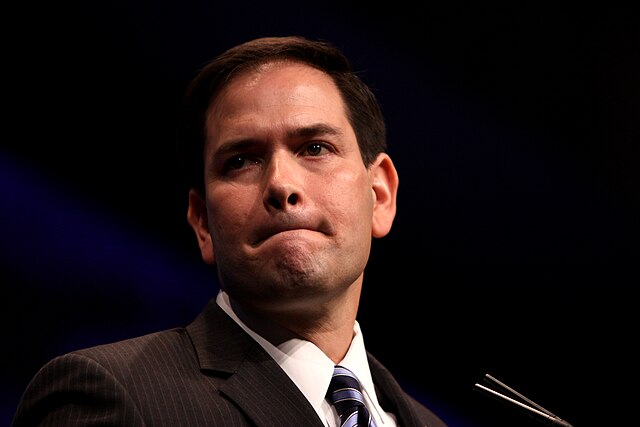
WASHINGTON — Secretary of State Marco Rubio pushed back forcefully on Sunday against suggestions that President Donald Trump is pressuring Ukraine into an unfavorable peace settlement with Russia. Appearing on CBS’s Face the Nation, Rubio dismissed the idea as a “stupid media narrative,” arguing that upcoming talks at the White House are the result of weeks of cooperation with European leaders and Ukrainian President Volodymyr Zelensky.
The comments came just one day before a high-profile summit at the White House, where President Trump will host Zelensky alongside multiple European heads of government. The gathering, Trump said on Truth Social, will be an “unprecedented” meeting aimed at finding common ground to end the war.
Rubio Rejects Brennan’s Framing
During his interview with host Margaret Brennan, Rubio was pressed about whether Trump’s posture toward Ukraine could result in pressure on Zelensky to accept terms skewed toward Moscow’s interests.
“This is such a stupid media narrative that [European leaders] are coming here tomorrow because Trump is going to bully Zelensky into a bad deal,” Rubio said. “We’ve been working with these people for weeks… We invited them to come.”
Rubio insisted that the summit is part of an ongoing diplomatic process, not an effort to strong-arm Ukraine. According to him, European leaders agreed to participate because they want to be active partners in developing a possible framework for peace.
Trump’s Terms Spark Controversy
On Sunday, Trump himself outlined conditions he believes could bring the war to a rapid conclusion. Speaking to reporters, he suggested Ukraine could end the conflict “almost immediately” if it agreed to forgo NATO membership and recognize Russia’s annexation of Crimea.
Those remarks sparked swift criticism from political opponents who argued that such terms would heavily favor Moscow and undermine Ukraine’s sovereignty. Zelensky has previously made clear that while he is open to peace talks, he will not accept any arrangement that formalizes Russian control over Ukrainian territory.
A Critical White House Summit
Monday’s summit will mark the first time Zelensky has visited Washington since Trump’s return to office. It also represents the largest gathering of European leaders at the White House during Trump’s presidency.
The administration has said the meeting will focus on disputed territories, security guarantees, and potential steps to end the war. While both sides have indicated that some areas of agreement have been identified, significant differences remain unresolved.
Rubio acknowledged as much, telling NBC’s Meet the Press that progress has been made but challenges remain. “We identified potential areas of agreement, but there remain some big areas of disagreement,” he said.
Negotiating With Putin
The secretary also stressed that a lasting settlement will require Russia’s direct involvement. “You’re not going to have a peace agreement between Russia and Ukraine without dealing with Putin,” Rubio said. “That’s just common sense, I shouldn’t have to say it.”
He argued that only Trump has the standing to bring Russian President Vladimir Putin into serious negotiations. Critics have accused the administration of being too accommodating to Moscow, while supporters counter that Trump’s willingness to engage Putin could be the key to ending hostilities.
Calls for Confidentiality
Rubio also emphasized the importance of confidentiality in ongoing talks. He told reporters the administration would not disclose sensitive details until agreements are finalized, warning that premature leaks could jeopardize fragile negotiations.
“This is the kind of diplomacy where discretion is critical,” he said.
Political and Strategic Stakes
The stakes of the summit are enormous. For Trump, the meeting offers an opportunity to showcase his self-styled dealmaking abilities on the global stage. For Zelensky, it is a chance to secure stronger Western support without compromising Ukraine’s sovereignty.
European leaders are expected to play a pivotal role, pressing for a settlement that protects Ukraine while stabilizing the region. Whether the summit produces tangible breakthroughs or simply marks another step in a drawn-out process remains uncertain.
Still, Rubio maintained that the administration is determined to keep all parties at the table. “This isn’t about bullying anyone. It’s about creating a pathway where a real peace can actually be achieved,” he said.
With the world watching, Monday’s White House summit could prove to be one of the most consequential diplomatic gatherings of Trump’s presidency — and a defining moment in the search for an end to the conflict.
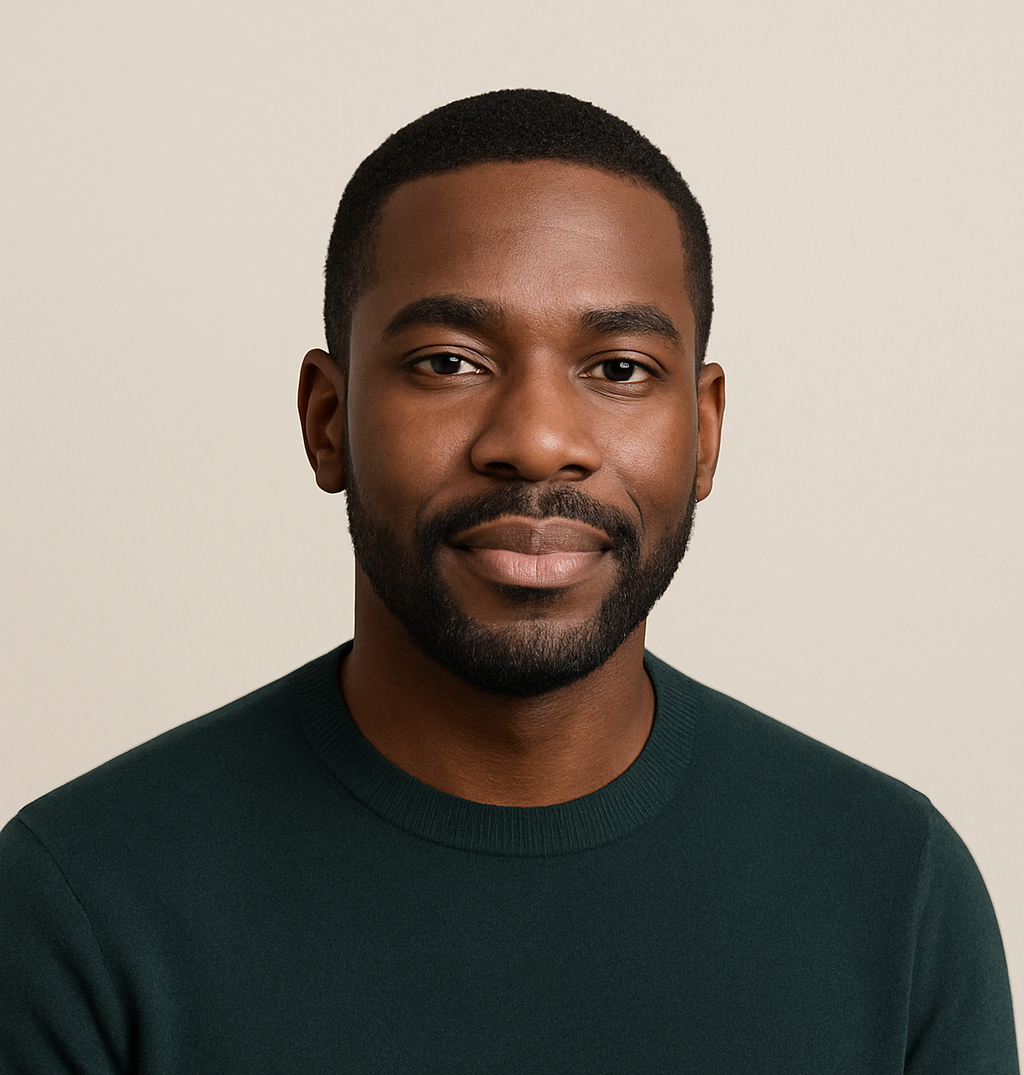
James Jenkins is a celebrated Pulitzer Prize-winning author whose work has reshaped the way readers think about social justice and human rights in America. Raised in Atlanta, Georgia, James grew up in a community that instilled in him both resilience and a strong sense of responsibility toward others. After studying political science and creative writing at Howard University, he worked as a journalist covering civil rights issues before dedicating himself fully to fiction. His novels are known for their sharp, empathetic portraits of marginalized communities and for weaving personal stories with broader political realities. Jenkins’s breakout novel, Shadows of Freedom, won national acclaim for its unflinching look at systemic inequality, while his more recent works explore themes of identity, resilience, and the fight for dignity in the face of oppression. Beyond his novels, James is an active public speaker, lecturing at universities and participating in nonprofit initiatives that support literacy and community empowerment. He believes that storytelling is a way to preserve history and inspire change. When not writing, James enjoys jazz music, mentoring young writers, and traveling with his family to explore cultures and stories around the world.