The world of rock music is mourning the loss of a foundational figure whose work helped shape one of the most enduring bands in heavy rock history. Francis Buchholz, the longtime bassist of the German hard rock legends Scorpions, has died at the age of 71 following a private battle with cancer, his family announced.
In an emotional statement shared on social media, Buchholz’s family confirmed that he passed away peacefully, surrounded by loved ones. The announcement reflected both profound grief and deep gratitude—for the life he lived, the music he created, and the people he inspired across decades and continents.
“It is with overwhelming sadness and heavy hearts we share the news that our beloved Francis passed away after a private battle with cancer,” the family wrote. “He departed this world peacefully, surrounded by love.”
They described the loss as devastating, emphasizing the closeness of the family throughout his illness.
“Our hearts are shattered,” the statement continued. “Throughout his fight with cancer, we stayed by his side, facing every challenge as a family — exactly the way he taught us.”
The message, signed by his wife Hella and children Sebastian, Louisa, and Marietta, also paid tribute to the millions of fans who followed Buchholz throughout his career.
“You gave him the world, and he gave you his music in return,” they wrote. “Though the strings have gone silent, his soul remains in every note he played and in every life he touched.”
Born in Hanover, Germany, in 1954, Francis Buchholz discovered rock music early in life. By the age of 11, he had already been drawn into the energy and rebellion of the genre, and as a teenager, he gravitated toward the bass guitar—a choice that would quietly but powerfully define his legacy.
In the early 1970s, Buchholz became part of a local band called Dawn Road, where he played alongside guitarist Uli Jon Roth, drummer Jürgen Rosenthal, and keyboardist Achim Kirschning. The group would soon undergo a transformation that would change rock history. With the addition of vocalist Klaus Meine and guitarist Rudolf Schenker, Dawn Road evolved into Scorpions in 1973.
What followed was an 18-year run that placed Buchholz at the rhythmic backbone of one of the most successful European rock bands of all time.
From 1974’s Fly to the Rainbow through 1990’s Crazy World, Buchholz performed on 12 studio albums that defined generations of rock fans. His bass lines anchored Scorpions’ signature blend of melodic hard rock and arena-ready power, helping propel the band to global fame.
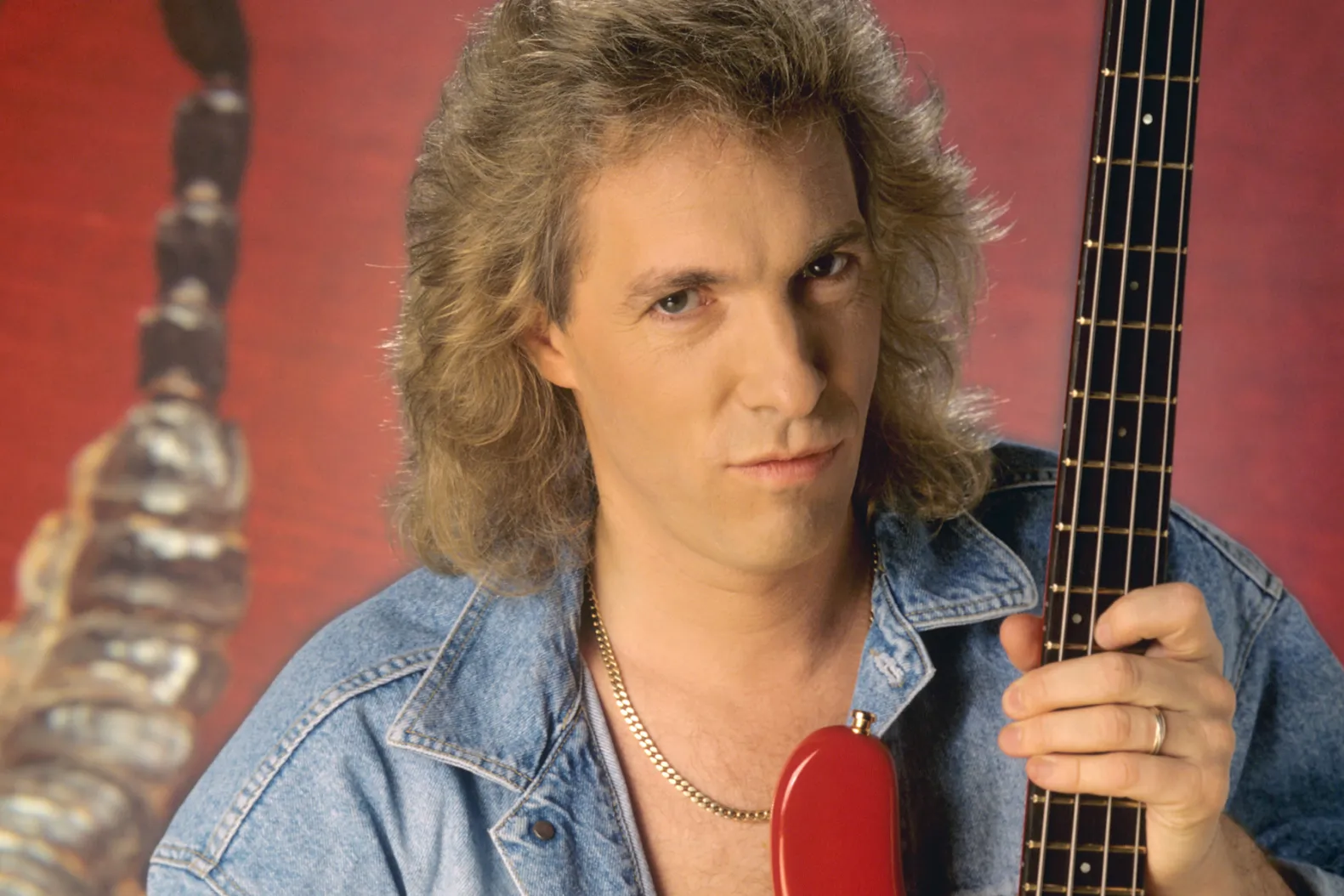
During his tenure, Scorpions released some of the most iconic songs in rock history. Tracks like Rock You Like a Hurricane, Big City Nights, No One Like You, and Wind of Change became cultural touchstones, filling stadiums and dominating airwaves worldwide. While guitar solos and soaring vocals often took center stage, Buchholz’s steady, muscular bass work was the foundation that held it all together.
His contributions were especially evident during the band’s commercial peak in the 1980s, when Scorpions became synonymous with global touring and cross-border appeal—bridging audiences from Europe to the United States and beyond at the height of the Cold War era.
Yet despite the success, Buchholz’s time with the band was not without strain.
In 1992, after nearly two decades with Scorpions, he made the difficult decision to step away. In later interviews, he spoke candidly about the internal conflicts and emotional exhaustion that had accumulated over years of nonstop recording and touring.
“I was fed up with the music,” he said in a 2023 interview. “I was fed up with being in the group with all this internal fighting and turmoil that was going on after spending so many years together.”
At the same time, his personal life was changing in profound ways. He had recently become a father to twin daughters, while already raising another young child.
“So, I decided that was what I was going to focus on,” he explained. “I removed myself from the world of rock and into the world of family life.”
Rather than chase continued fame, Buchholz chose stability, presence, and fatherhood—an uncommon but deeply intentional move in the rock world.
Although he stepped away from Scorpions, he never fully left music behind.
In the mid-2000s, Buchholz reunited with Uli Jon Roth for tours across Europe and the United States, reconnecting with audiences who had followed his career for decades. He later collaborated with the Michael Schenker Group and Michael Schenker’s Temple of Rock, contributing to albums such as Bridge the Gap (2013) and Spirit on a Mission (2015).
These later projects reflected a musician who had found peace with his past and joy in simply playing—free from the pressures that once drove him away.
In reflecting on his career, Buchholz consistently returned to one idea: live performance mattered more than numbers, fame, or scale.
“For me, it’s just playing onstage that I experience these moments,” he said. “It doesn’t matter if it’s 100 or 100,000 people. I would rather play a great show to 100 people than a terrible one to 10,000.”
That philosophy defined him—not as a flashy figure, but as a deeply committed musician who valued authenticity over spectacle.
While representatives for Scorpions and Michael Schenker did not immediately issue public statements, tributes from fans have poured in online, remembering Buchholz not only as a cornerstone of Scorpions’ classic lineup but as a musician who helped define an era of rock without ever seeking the spotlight for himself.
Francis Buchholz leaves behind a body of work that continues to echo through arenas, radios, and playlists worldwide. His bass lines remain inseparable from the sound of Scorpions at their peak—grounded, powerful, and unmistakably human.
Though his final battle was fought privately, his legacy lives loudly in the music he helped create, the family he cherished, and the millions of listeners who continue to feel the impact of every note he played.

Emily Johnson is a critically acclaimed essayist and novelist known for her thought-provoking works centered on feminism, women’s rights, and modern relationships. Born and raised in Portland, Oregon, Emily grew up with a deep love of books, often spending her afternoons at her local library. She went on to study literature and gender studies at UCLA, where she became deeply involved in activism and began publishing essays in campus journals. Her debut essay collection, Voices Unbound, struck a chord with readers nationwide for its fearless exploration of gender dynamics, identity, and the challenges faced by women in contemporary society. Emily later transitioned into fiction, writing novels that balance compelling storytelling with social commentary. Her protagonists are often strong, multidimensional women navigating love, ambition, and the struggles of everyday life, making her a favorite among readers who crave authentic, relatable narratives. Critics praise her ability to merge personal intimacy with universal themes. Off the page, Emily is an advocate for women in publishing, leading workshops that encourage young female writers to embrace their voices. She lives in Seattle with her partner and two rescue cats, where she continues to write, teach, and inspire a new generation of storytellers.