Just days before Christmas, a deeply personal message appeared online from a longtime figure in American public life—one that immediately stopped readers in their tracks.
The statement did not read like a press release. There were no political talking points, no attempts to soften the moment, and no effort to manage optics. Instead, it was written plainly, almost starkly, with an honesty that felt rare in modern public discourse.
The author made it clear from the outset that this was not an update he ever wanted to write. He acknowledged that people close to him had begun to notice something was wrong, and rather than allow speculation to grow, he chose to speak directly.
What followed was a message about time, mortality, family, faith, and the reality of facing something that cannot be spun, negotiated, or postponed.
The diagnosis, he wrote, came suddenly and without mercy. Just a week before Christmas, doctors delivered news that would permanently alter the course of his life. He did not rely on euphemisms or vague language. He described the condition plainly and acknowledged the outcome just as directly.
For someone whose life had long been structured around work, building institutions, and public service, the adjustment has been profound. But he emphasized that the hardest part has not been stepping away from projects or ambitions—it has been facing the pain this brings to the people he loves most.
He spoke about his wife, his children, and the impossible conversations that come with a diagnosis like this. About trying to explain to those closest to you that the future will now look different than any of you imagined.
Despite the weight of the message, it was not written in despair.
Instead, it was anchored in perspective. He reflected on the idea that every person, regardless of health, is already living under a finite clock. Some, he wrote, are simply made aware of it sooner than others. That awareness, while brutal, can also bring clarity.
He noted that the timing of the diagnosis coincided with Advent—a season in the Christian calendar defined by waiting, reflection, and hope. Even in darkness, he wrote, people of faith are called to speak hope aloud, sometimes through tears, sometimes with a voice that shakes.
That faith, he said, has become a source of strength—not because it removes fear, but because it gives fear context.
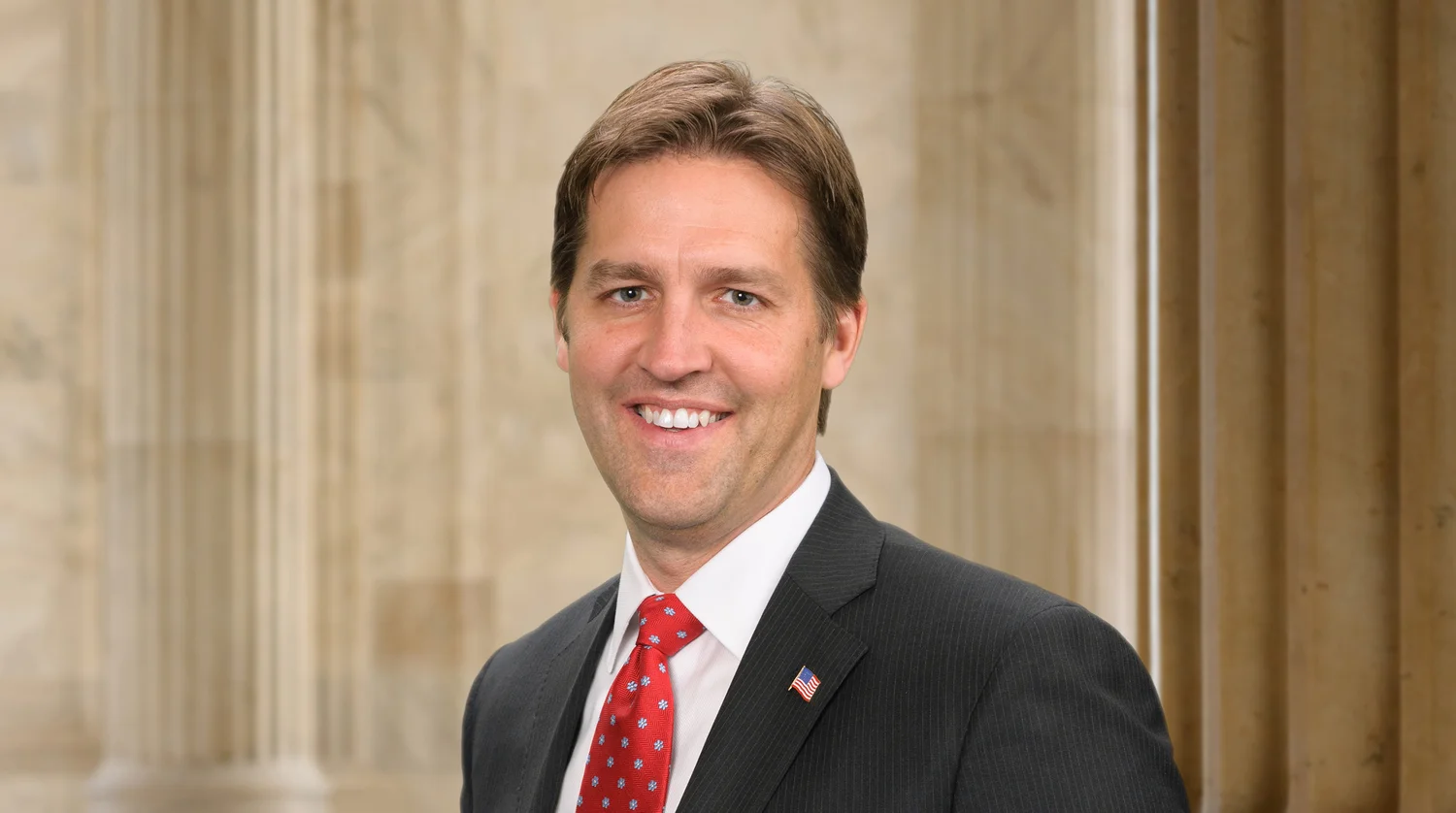
As the message circulated, it became clear that it was written by Ben Sasse, the former Republican senator from Nebraska.
At 53 years old, Sasse revealed that he has been diagnosed with metastasized, stage-four pancreatic cancer. In his own words, he described it as a terminal diagnosis. He also made clear that while the odds are grim, he does not intend to stop fighting.
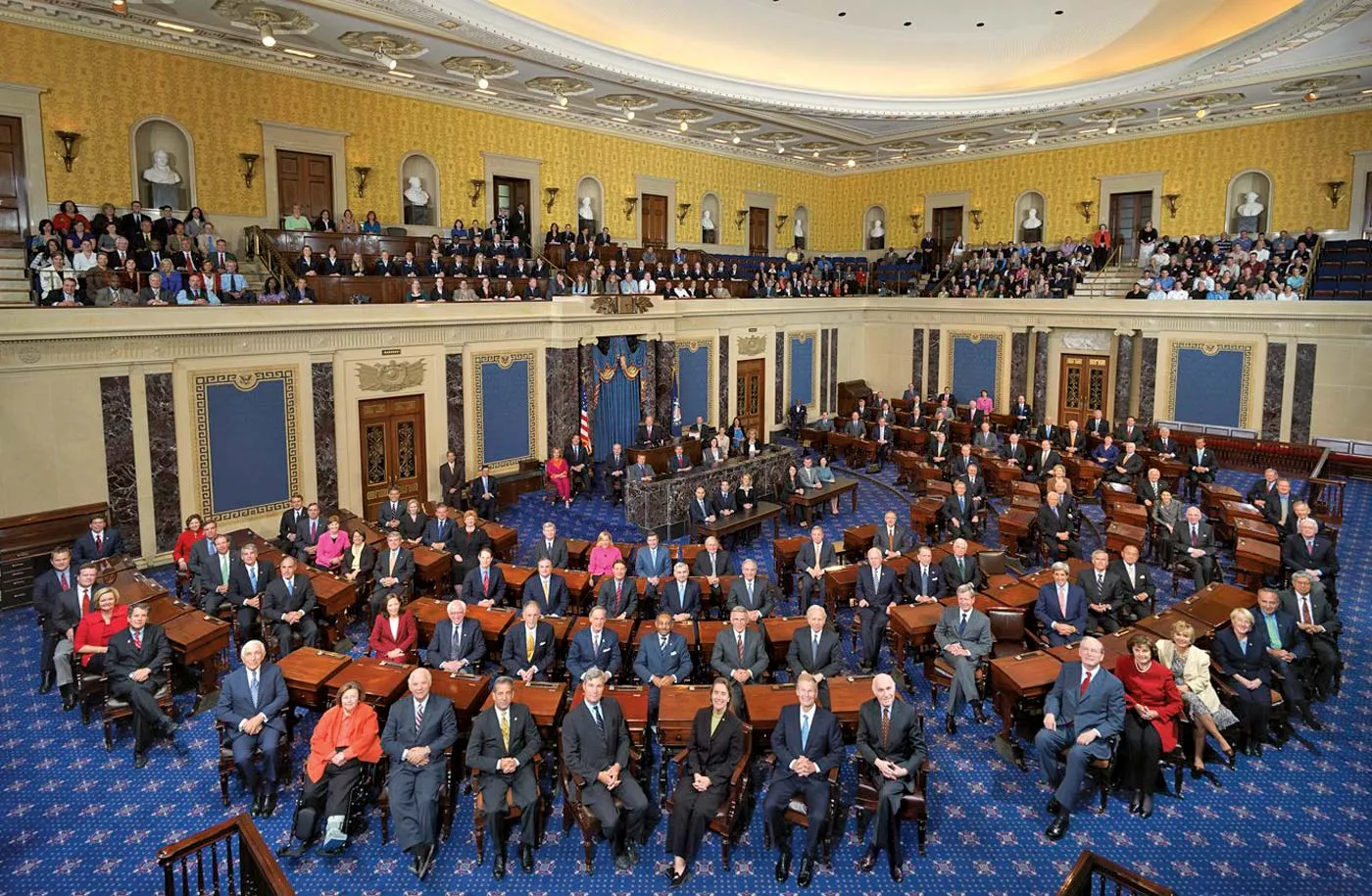
Sasse served in the U.S. Senate for eight years, first elected in 2014 and re-elected in 2020. During his time in Washington, he developed a reputation as a sharp critic of political extremism on both sides of the aisle—a stance that earned him praise from some and intense criticism from others.
His willingness to break with party leadership at key moments placed him in a small and controversial group within the Republican Party, particularly during the later years of Donald Trump’s presidency.
In 2023, Sasse stepped away from the Senate to become president of the University of Florida, a move that sparked immediate backlash. Students and faculty protested his appointment, citing his views on social issues and questioning his experience running a large academic institution.
Less than two years later, he resigned from the role, citing family health challenges, including his wife’s epilepsy diagnosis and new memory-related concerns. He remained on the faculty but largely withdrew from public life—until this week’s announcement.
The reaction to his message was swift and emotional.
Lawmakers, commentators, and public figures from across the political spectrum offered messages of support. Many focused not on his political legacy, but on the courage it took to speak so openly about death—especially in a culture that often avoids it at all costs.
Vice President JD Vance was among those who publicly expressed sympathy, offering prayers for Sasse and his family. Others echoed similar sentiments, emphasizing gratitude for his years of service and admiration for the grace with which he addressed such devastating news.
Even longtime critics acknowledged the humanity in the message, noting that illness has a way of stripping away partisan divisions and reminding people what truly matters.
At the center of everything, Sasse wrote, is family.
He has been married to his wife, Melissa, for roughly three decades. Together, they have raised three children: two daughters—one serving in the U.S. Air Force and another recently graduated from college—and a teenage son.
In his statement, he reflected on milestones already passed and those that may now remain out of reach. He spoke candidly about the pain of imagining not being there for future weddings, about the heartbreak of telling parents they may outlive their child, and about the quiet moments at home that now carry even greater weight.
Yet woven throughout those reflections was gratitude—for time already shared, for deep friendships, for siblings and close friends he described as brothers, and for a marriage that has endured both public pressure and private hardship.
Pancreatic cancer remains one of the most lethal forms of cancer in the United States. According to the American Cancer Society, more than 67,000 Americans are diagnosed each year, and approximately 80 percent of cases are discovered only after the disease has already advanced.
Unlike many other cancers, pancreatic cancer has no reliable early screening test. Symptoms often appear late, which significantly limits treatment options. While early-stage cases can sometimes be treated successfully, stage-four diagnoses are typically managed with palliative and life-extending care rather than curative intent.
Sasse acknowledged this reality directly. He did not minimize the science or offer false optimism. Instead, he framed his approach as one grounded in realism, supported by hope, and strengthened by the love of those around him.
In closing, he urged readers not to center their focus on his illness, but to use the moment as a reminder.
He encouraged people to hold their families a little closer this Christmas, to step away from constant outrage and noise, and to remember that life’s meaning is not measured only in years, but in how those years are lived.
His final words were signed simply, expressing gratitude, resolve, and hope—spoken, as he described it, with a “gravelly but hopeful voice.”
For many who read the message, it was not just an update about a former senator’s health. It was a meditation on mortality, faith, and the shared human reality that no amount of power or preparation can ultimately shield anyone from.
And in that honesty, it resonated far beyond politics.

Emily Johnson is a critically acclaimed essayist and novelist known for her thought-provoking works centered on feminism, women’s rights, and modern relationships. Born and raised in Portland, Oregon, Emily grew up with a deep love of books, often spending her afternoons at her local library. She went on to study literature and gender studies at UCLA, where she became deeply involved in activism and began publishing essays in campus journals. Her debut essay collection, Voices Unbound, struck a chord with readers nationwide for its fearless exploration of gender dynamics, identity, and the challenges faced by women in contemporary society. Emily later transitioned into fiction, writing novels that balance compelling storytelling with social commentary. Her protagonists are often strong, multidimensional women navigating love, ambition, and the struggles of everyday life, making her a favorite among readers who crave authentic, relatable narratives. Critics praise her ability to merge personal intimacy with universal themes. Off the page, Emily is an advocate for women in publishing, leading workshops that encourage young female writers to embrace their voices. She lives in Seattle with her partner and two rescue cats, where she continues to write, teach, and inspire a new generation of storytellers.