

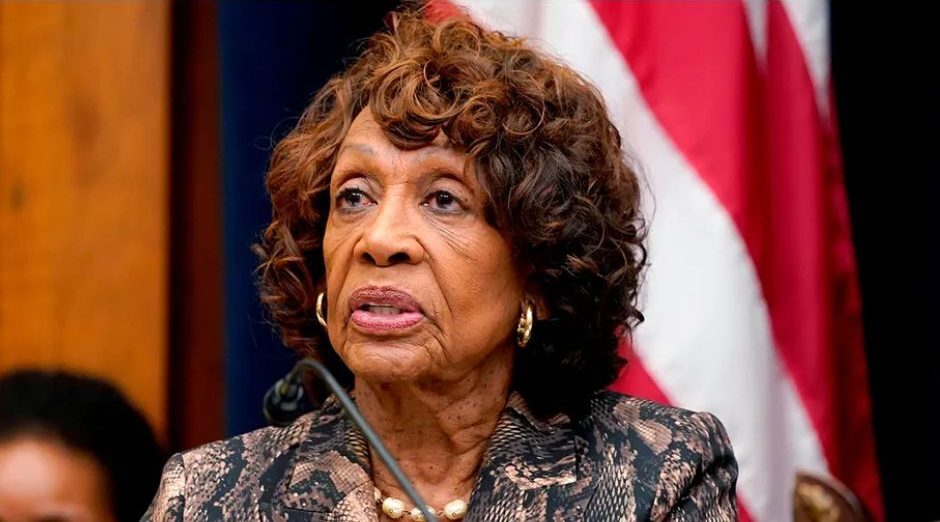
California Congresswoman Maxine Waters joined demonstrators in Los Angeles on Sunday to protest actions by U.S. Immigration and Customs Enforcement (ICE). The protest came in response to recent detentions and a broader national debate over immigration enforcement.
During the demonstration, Waters confronted federal agents and members of the National Guard, who had been deployed following two days of civil unrest involving clashes between protesters and federal officers. Video footage showed the congresswoman questioning the armed presence of the National Guard, asking, “Why are you carrying guns? Are you here to intimidate people or harm those who are afraid?”
Waters also attempted to enter the Los Angeles Federal Building to obtain information about labor leader David Huerta, who was reportedly detained during the protests. Security personnel denied her entry, citing safety protocols and instructing her to contact the agency’s public affairs office.
In remarks at the scene, Waters criticized the federal response to the protests, describing it as an effort to intimidate residents of Los Angeles and undermine the city’s status as a sanctuary jurisdiction. “This is an overreach. We will not be silenced or threatened,” she stated.
Later, the congresswoman shared a statement on social media, clarifying her intentions. She said she urged the National Guard not to resort to force against peaceful demonstrators. “Everyone deserves due process and humane treatment. Peaceful protest is a vital part of our democracy,” she wrote.
The event drew national attention as tensions continue to rise over immigration policy and federal authority in sanctuary cities like Los Angeles.
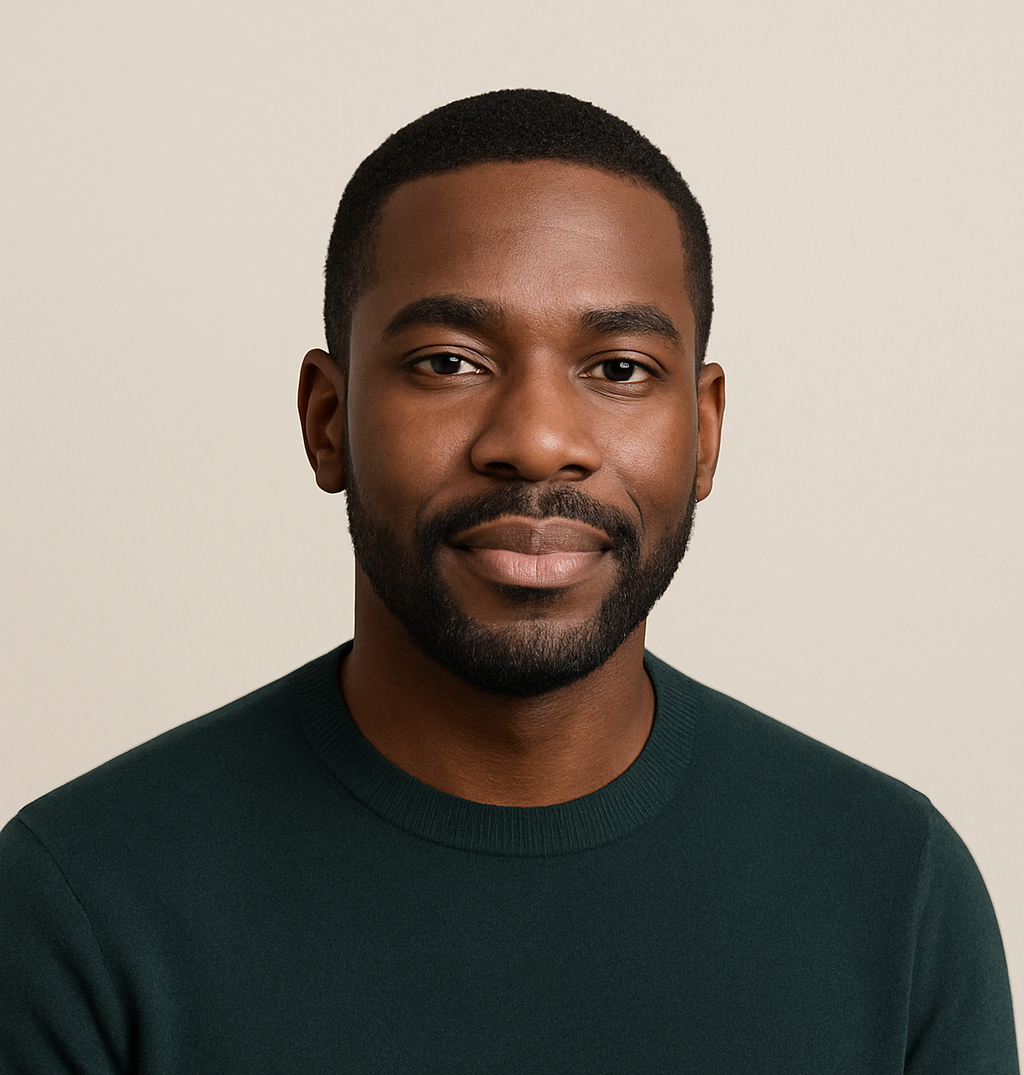
James Jenkins is a celebrated Pulitzer Prize-winning author whose work has reshaped the way readers think about social justice and human rights in America. Raised in Atlanta, Georgia, James grew up in a community that instilled in him both resilience and a strong sense of responsibility toward others. After studying political science and creative writing at Howard University, he worked as a journalist covering civil rights issues before dedicating himself fully to fiction. His novels are known for their sharp, empathetic portraits of marginalized communities and for weaving personal stories with broader political realities. Jenkins’s breakout novel, Shadows of Freedom, won national acclaim for its unflinching look at systemic inequality, while his more recent works explore themes of identity, resilience, and the fight for dignity in the face of oppression. Beyond his novels, James is an active public speaker, lecturing at universities and participating in nonprofit initiatives that support literacy and community empowerment. He believes that storytelling is a way to preserve history and inspire change. When not writing, James enjoys jazz music, mentoring young writers, and traveling with his family to explore cultures and stories around the world.