Millions of Americans along the West Coast are bracing for a dangerous Christmas Eve as an explosive weather system known as a “bomb cyclone” barrels toward California, threatening catastrophic flooding, widespread power outages, landslides, and severe disruption to holiday travel.
Meteorologists warn the fast-strengthening storm could unleash near hurricane-force winds, torrential rainfall, and feet of mountain snow within hours, placing coastal cities, inland valleys, and mountain communities on high alert during one of the busiest travel periods of the year.
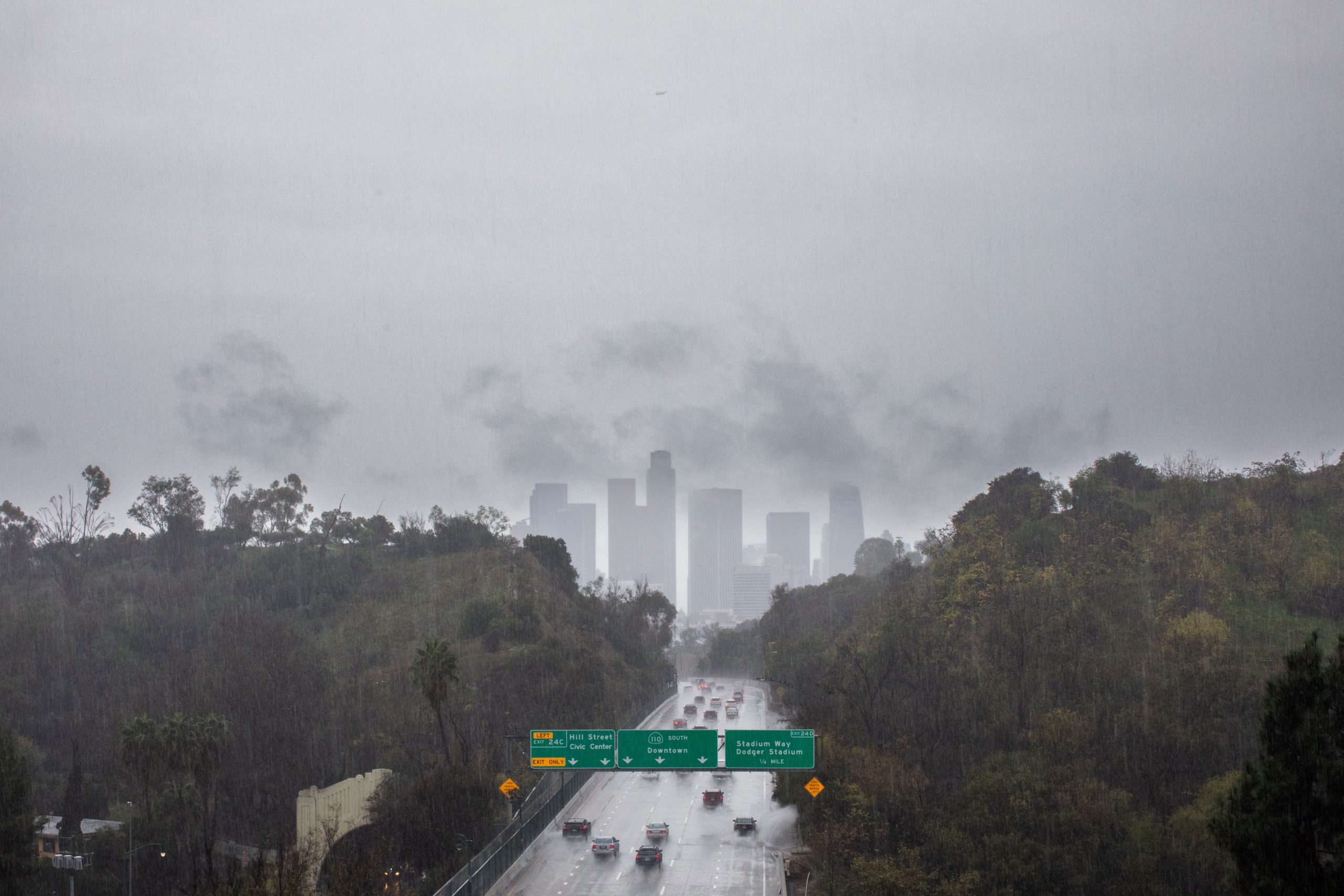
Severe storm warnings are already in effect along the entire California coastline, stretching from San Diego to the Oregon border. Major metropolitan areas including Los Angeles, San Francisco, and San Diego are expected to be drenched by relentless downpours, while wind gusts could exceed 70 miles per hour in parts of Northern California and the Bay Area.
Forecasters say the storm’s rapid intensification over the Pacific Ocean makes it particularly dangerous, with conditions expected to deteriorate quickly late Tuesday into Christmas Eve morning.
What Is a Bomb Cyclone?
A bomb cyclone is one of the most powerful storm systems on Earth. It forms when a low-pressure system rapidly strengthens—typically when atmospheric pressure drops by at least 24 millibars within a 24-hour period. This rapid pressure collapse causes the storm to “explode” in strength, drawing in violent winds and massive amounts of moisture.
These systems often form offshore before slamming into land with little warning, producing hurricane-like conditions despite being non-tropical storms. Meteorologists compare the sudden intensification to a vacuum effect, where air rushes toward the storm’s center, dramatically increasing wind speeds and rainfall.
This week’s storm is forecast to meet or exceed the criteria needed to officially qualify as a bomb cyclone as it approaches California.
Torrential Rainfall and Flash Flooding Threats
Rainfall totals associated with the storm are expected to be extreme. Coastal and urban areas are forecast to receive between two and four inches of rain in a short period, while inland regions could see far higher totals.
Some parts of California are under warnings for what meteorologists describe as a “firehose” of rainfall, with projections of eight to 16 inches in vulnerable areas, including the Los Angeles Basin, the Sierra Nevada, and the Transverse mountain ranges.
Southern California, in particular, faces an elevated risk of flash flooding and landslides—especially in areas scarred by recent wildfires. Burn scars are highly susceptible to mudslides, as charred soil struggles to absorb heavy rain.
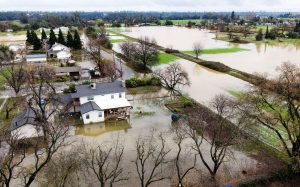
Urban flooding is expected to impact roadways, neighborhoods, and low-lying areas, while rivers and creeks may rapidly overflow their banks.
Deadly Precursor Storm Raises Alarm
The approaching storm follows closely on the heels of another powerful atmospheric river that struck Northern California over the weekend, dumping nearly 10 inches of rain in just 24 hours in some locations.
That earlier storm proved deadly, claiming at least one life in Redding, roughly 160 miles north of Sacramento, after intense rainfall overwhelmed drainage systems and caused dangerous flooding.
Officials fear the new system—expected to be even stronger—could compound damage and exhaustion among emergency responders already stretched thin by recent weather events.
Atmospheric River Fuels the Monster Storm
Meteorologists say the storm is being powered by a massive atmospheric river—a long, narrow plume of moisture stretching thousands of miles across the Pacific Ocean.
Often described as a “river in the sky,” atmospheric rivers can transport more water vapor than the Mississippi River, dumping enormous amounts of precipitation when they collide with land.
This is the second atmospheric river to strike California in just one week, dramatically increasing the risk of flooding, infrastructure damage, and prolonged travel disruptions.
The heaviest rainfall from this second system is expected to hit on Christmas Eve, with coastal plains experiencing one- to three-inch downpours before midday.
Northern regions such as San Francisco and Sacramento may see rainfall totals climbing toward five inches by the end of the week, while Southern California could receive four to six inches in just a single day—making it one of the wettest Christmas Eves on record.
Near Hurricane-Force Winds and Power Outages
In addition to flooding rain, the storm is forecast to unleash powerful wind gusts ranging from 40 to 60 miles per hour across much of the state. In exposed coastal and mountain areas, gusts could reach or exceed 70 miles per hour.
These winds pose a serious threat to power infrastructure, with utility companies warning of widespread outages caused by downed trees and damaged power lines. High-profile vehicles face dangerous driving conditions, while falling debris could make travel life-threatening in some areas.
Emergency officials urge residents to avoid unnecessary travel, secure outdoor objects, and prepare for possible evacuations in flood-prone zones.
Feet of Snow to Bury Mountain Regions
While lower elevations brace for flooding, California’s mountain regions face a very different danger: extreme snowfall.
The National Weather Service has issued winter storm warnings across Northern California and mountainous areas near the Nevada border. Forecasters predict heavy snow accumulations, with several feet possible in higher elevations.
AccuWeather meteorologists warn snowfall could exceed four feet across large portions of the Sierra Nevada, with significantly higher totals at the highest elevations.
AccuWeather’s chief on-air meteorologist said some peaks could receive up to 10 feet of snow by the end of the week, creating dangerous whiteout conditions and avalanche risks.
Mountain passes may become impassable, and travelers are urged to avoid high-elevation routes altogether.
Holiday Travel Chaos Intensifies
The timing of the storm could not be worse for travelers. Between Tuesday and Christmas Day, more than 1,300 flights are expected to be canceled at airports across California, including major hubs in Los Angeles, San Francisco, and San Diego.
Dozens of smaller regional airports are also bracing for significant disruptions as airlines struggle to operate safely amid high winds and heavy rain.
As of Tuesday morning, more than 1,500 flights had already been delayed globally, with routes between New York and Los Angeles among the hardest hit, according to flight tracking data.
Air traffic controllers warn the US airspace system is nearing maximum capacity, raising fears of a cascading travel nightmare that could strand thousands of passengers over the holiday.
Officials Urge Caution as Storm Intensifies
Forecasters caution that even if the storm falls just short of the technical threshold required to be officially classified as a bomb cyclone, its impacts will still be severe.
Meteorologists stress that rapid intensification, dangerous winds, and extreme rainfall are virtually guaranteed as the storm moves ashore.
Residents are urged to monitor official weather alerts, prepare emergency kits, and avoid floodwaters at all costs. Authorities remind the public that just a few inches of fast-moving water can sweep away vehicles.
With Christmas Eve approaching, emergency services are on high alert as California prepares to weather one of the most intense winter storms of the year.

Emily Johnson is a critically acclaimed essayist and novelist known for her thought-provoking works centered on feminism, women’s rights, and modern relationships. Born and raised in Portland, Oregon, Emily grew up with a deep love of books, often spending her afternoons at her local library. She went on to study literature and gender studies at UCLA, where she became deeply involved in activism and began publishing essays in campus journals. Her debut essay collection, Voices Unbound, struck a chord with readers nationwide for its fearless exploration of gender dynamics, identity, and the challenges faced by women in contemporary society. Emily later transitioned into fiction, writing novels that balance compelling storytelling with social commentary. Her protagonists are often strong, multidimensional women navigating love, ambition, and the struggles of everyday life, making her a favorite among readers who crave authentic, relatable narratives. Critics praise her ability to merge personal intimacy with universal themes. Off the page, Emily is an advocate for women in publishing, leading workshops that encourage young female writers to embrace their voices. She lives in Seattle with her partner and two rescue cats, where she continues to write, teach, and inspire a new generation of storytellers.