


A beloved Texas restaurant chain known for its biscuit sandwiches and all-day comfort-food menu has abruptly closed all of its locations just days before Christmas, leaving customers stunned and more than 100 employees out of work.
Biscuit Bar, which operated six restaurants across Texas—five in the Dallas–Fort Worth metroplex and one in Abilene—confirmed the closures in a social media statement this week, describing the decision as “incredibly painful.”
The shutdown took place with little warning and comes amid a broader wave of restaurant closures nationwide as the industry grapples with rising costs, softer consumer demand, and financial strain.
Customers React With Shock and Disappointment
News of the closures prompted an outpouring of reactions from loyal customers, many of whom described Biscuit Bar as a neighborhood staple and a go-to spot for casual meals.
“This is heartbreaking,” one customer wrote. “The biscuits were the best we ever had.”
Others shared memories of family breakfasts, casual dinners, and celebrations at the restaurants, underscoring the emotional impact of the sudden shutdown—particularly so close to the holidays.
Bankruptcy and a Failed Sale
Biscuit Bar had been operating under Chapter 11 bankruptcy protection after filing earlier this year in the U.S. Bankruptcy Court for the Northern District of Texas. The filing was intended to allow the company to restructure its debts and continue operating.
Founders Jake and Janie Burkett, who launched the chain in 2018, said they had hoped to save the business through a sale. According to the couple, a tentative agreement had been reached with an unnamed restaurant group, with terms finalized and a closing date scheduled for December.
“The sale was structured, terms were agreed upon, and the closing was set,” the owners said in their statement.
However, the deal ultimately collapsed after what they described as a lack of cooperation from multiple financial stakeholders. Without the sale, the company said it had “no legal or financial ability to continue operating.”
Millions in Debt, No Cash Left
Court filings show Biscuit Bar was left with virtually no cash on hand and debts totaling several million dollars. With its reorganization efforts no longer viable, the company moved to formally wind down operations and close all remaining locations.
The closure affects more than 100 employees, many of whom were notified only shortly before the restaurants shut their doors.
In response, supporters have launched a GoFundMe campaign aimed at providing financial assistance to displaced workers during the holiday season.
From Single Location to Texas Chain
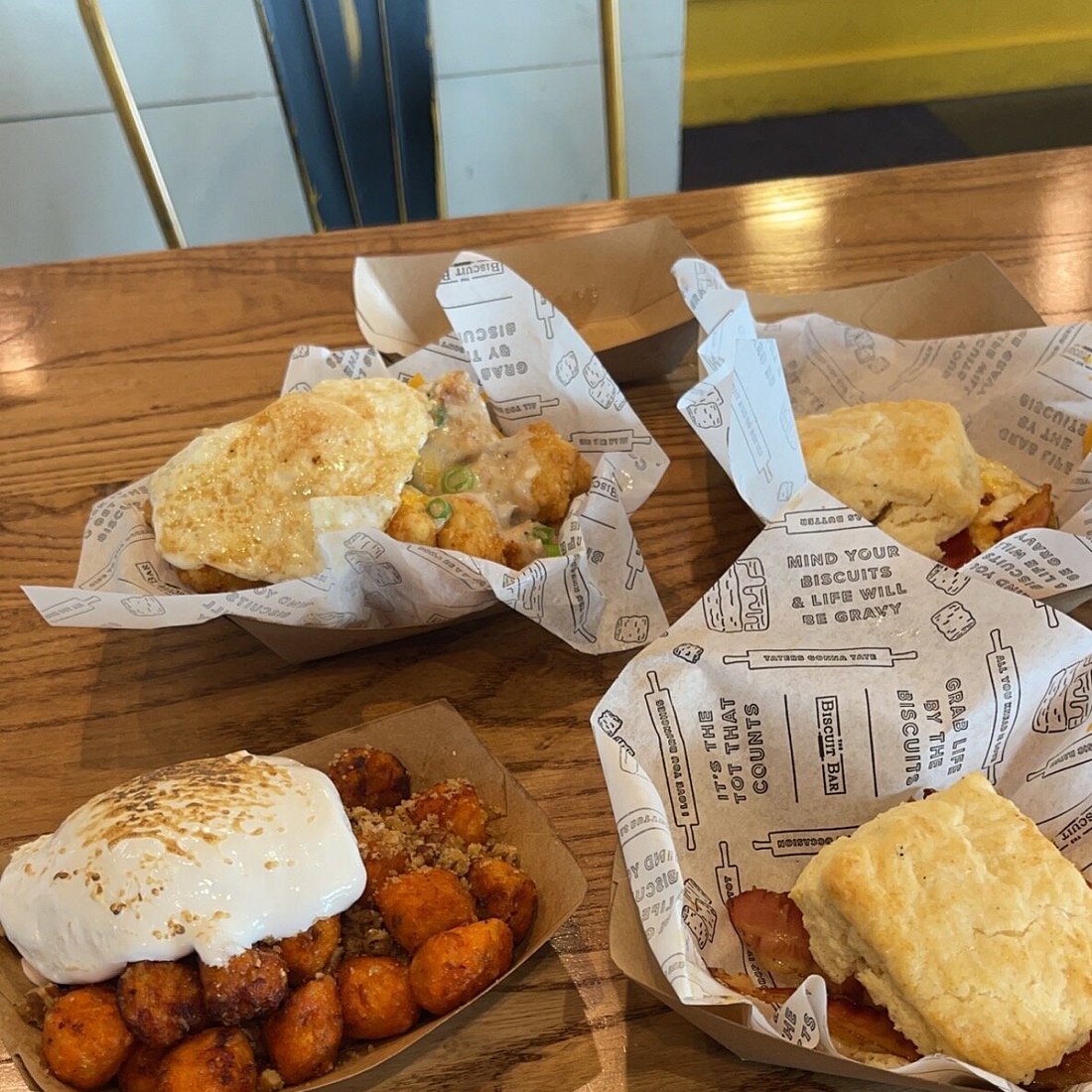
Founded in 2018, Biscuit Bar positioned itself as a family-friendly dining concept offering breakfast, lunch, dinner, and drinks. Its menu featured house-made biscuit sandwiches, loaded tater tots, fried comfort foods, and cocktails, helping it carve out a niche in Texas’ crowded casual-dining scene.
The Burketts grew the business from a single location to six restaurants in just a few years. But like many small and mid-sized operators, Biscuit Bar struggled with rising food and labor costs, supply-chain disruptions, and higher interest rates.
The owners also pointed to what they called “a commercial environment increasingly shaped by large institutional interests,” suggesting independent and regional chains face mounting pressure competing with larger, better-capitalized brands.
Part of a Broader Restaurant Reckoning
Biscuit Bar’s closure adds to a growing list of restaurant brands—both regional favorites and national chains—that have shut down locations or disappeared altogether this year.
Small and mid-sized operators such as Iron Hill Brewery & Restaurant, Opa Restaurant Group, Oath Pizza, and K&W Cafeteria have either closed entirely or dramatically reduced their footprints.
Long-standing family-run establishments have also been hit hard. Jenkins Quality Barbecue in Florida, Piggy’s Restaurant and Lounge in Wisconsin, and Hector’s Café and Diner in New York have all closed in 2025.
This month, K&W Cafeteria, an 88-year-old Southern institution spanning North Carolina and Virginia, shut its final eight locations, ending a dining tradition generations grew up with.
Major Chains Pull Back as Well
Even large national brands have not been immune.
Pizza Hut and Denny’s both sold their businesses this year after prolonged sales declines. Red Robin has announced multiple store closures, while Cracker Barrel-owned Maple Street Biscuit Company is closing 14 locations.
Other chains scaling back include Bahama Breeze, which shuttered 15 restaurants, and Wendy’s, which has said it plans to wind down roughly 300 underperforming stores.
Industry analysts cite a punishing combination of weaker customer traffic, higher food and labor costs, elevated interest rates, and lingering post-pandemic shifts in dining habits—leaving little margin for error across the sector.
A Difficult Holiday Season
For Biscuit Bar’s employees and loyal customers, the timing of the closure has made the blow especially painful.
What was once a fast-growing Texas comfort-food favorite has now joined a growing list of restaurant casualties in an industry undergoing rapid and unforgiving change—highlighting the challenges facing independent operators in an increasingly volatile economic environment.

Emily Johnson is a critically acclaimed essayist and novelist known for her thought-provoking works centered on feminism, women’s rights, and modern relationships. Born and raised in Portland, Oregon, Emily grew up with a deep love of books, often spending her afternoons at her local library. She went on to study literature and gender studies at UCLA, where she became deeply involved in activism and began publishing essays in campus journals. Her debut essay collection, Voices Unbound, struck a chord with readers nationwide for its fearless exploration of gender dynamics, identity, and the challenges faced by women in contemporary society. Emily later transitioned into fiction, writing novels that balance compelling storytelling with social commentary. Her protagonists are often strong, multidimensional women navigating love, ambition, and the struggles of everyday life, making her a favorite among readers who crave authentic, relatable narratives. Critics praise her ability to merge personal intimacy with universal themes. Off the page, Emily is an advocate for women in publishing, leading workshops that encourage young female writers to embrace their voices. She lives in Seattle with her partner and two rescue cats, where she continues to write, teach, and inspire a new generation of storytellers.