



Smokey Bones, a casual dining chain known for its barbecue and smokehouse offerings, is facing a significant restructuring that will see several of its locations closing or being converted to other concepts. The move comes as the restaurant chain navigates challenges in a post-pandemic market and works to streamline operations for long-term sustainability.
Across the United States, multiple Smokey Bones restaurants have been marked for closure, with locations in Florida, Illinois, Ohio, New York, and Pennsylvania among those affected. While some of these closures target underperforming units, the chain is also taking steps to identify locations that can be converted into other, more profitable concepts, reflecting a broader strategy to concentrate resources where they will have the greatest impact.
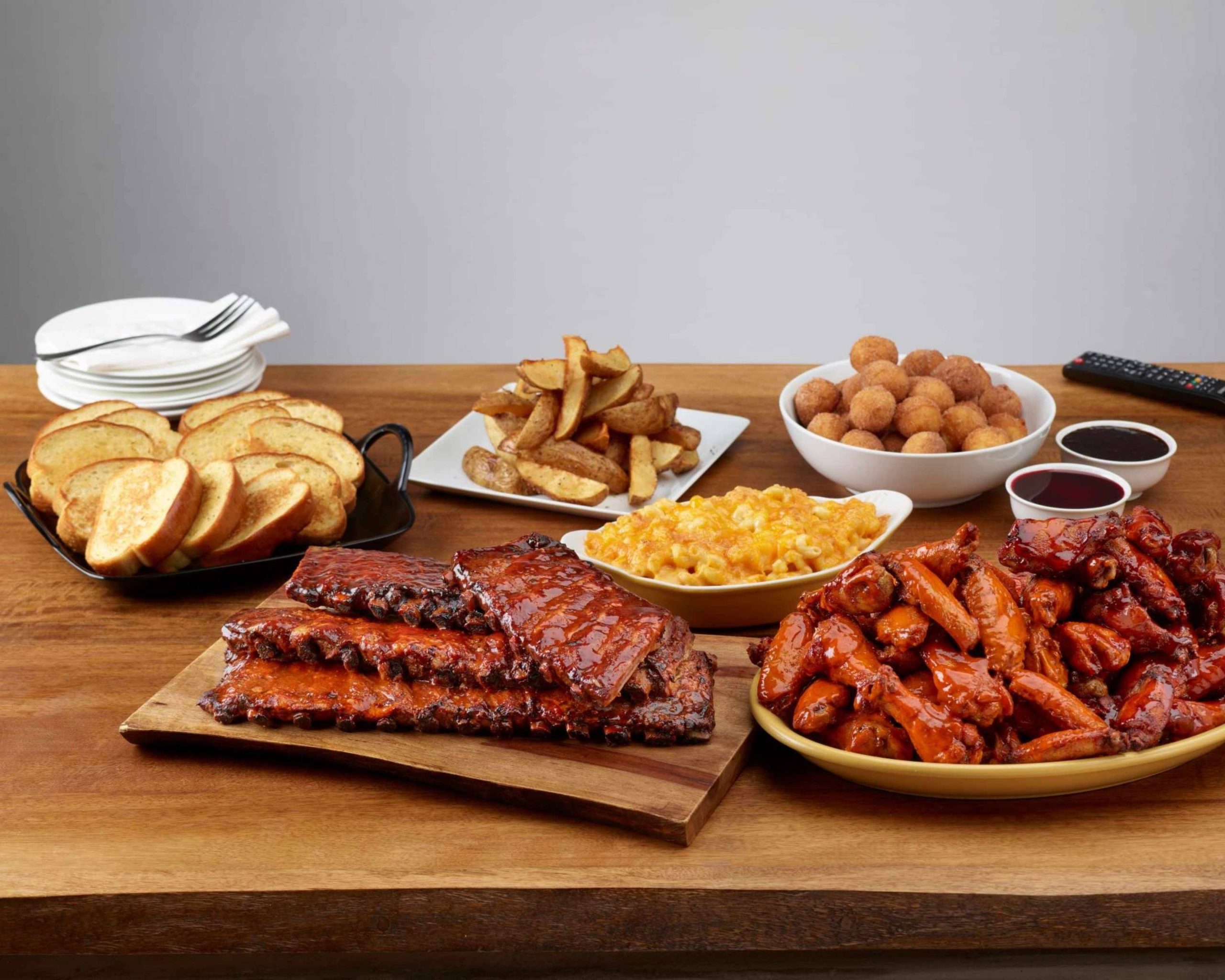
Smokey Bones’ menu and atmosphere have long attracted loyal customers seeking classic barbecue flavors, from smoked ribs and brisket to hearty sides and signature sauces. Despite its popularity, the chain has faced challenges in maintaining consistent profitability across all locations, a reality that has been intensified by rising operational costs and shifting consumer preferences.
FAT Brands, the parent company behind Smokey Bones as well as other restaurant concepts such as Twin Peaks, Fatburger, and Johnny Rockets, has been overseeing the restructuring process. The company has emphasized that while certain Smokey Bones locations will close, others will remain open and operational. Leadership at FAT Brands has framed these changes as a strategic realignment, aimed at focusing on stronger-performing units and ensuring the brand’s long-term viability.
Kim Boerema, CEO of Twin Peaks Hospitality—a sister company to Smokey Bones—has explained that a comprehensive review of the restaurant portfolio was conducted to eliminate inefficiencies, uncover synergies, and refocus on initiatives with the highest returns. This review identified underperforming Smokey Bones locations for closure, while also highlighting properties with potential for conversion to other concepts, ensuring that the chain continues to deliver value to both diners and investors.
The closures affect a mix of urban and suburban locations, including areas such as Orlando and West Boca Raton in Florida, Rockford, Illinois, Maumee, Ohio, Cheektowaga, New York, and Pittsburgh, Pennsylvania. These steps are part of a larger plan to streamline operations while maintaining service and quality for customers in areas where the brand remains strong.
While the closures are necessary from a business perspective, the company has reassured both patrons and employees that remaining locations will continue to operate without interruption. Smokey Bones staff affected by the closures are being supported through the transition process, with an emphasis on preserving jobs where possible and ensuring that affected team members receive guidance and resources during the restructuring.
The challenges faced by Smokey Bones are not unique in the restaurant industry. Many chains have had to adapt to changing consumer behaviors, increased competition, and lingering effects from the pandemic. In response, multi-brand operators often take steps such as closing underperforming units, reallocating resources, and converting certain locations to stronger-performing brands to stabilize finances and improve operational efficiency.
For Smokey Bones, the restructuring also includes a focus on enhancing the customer experience at remaining locations. Leadership has indicated that they will continue to invest in menu innovation, service quality, and brand identity, aiming to ensure that Smokey Bones remains a preferred destination for barbecue enthusiasts across the United States.
The chain has built a reputation over the years for its casual, welcoming environment and its focus on slow-smoked meats and signature barbecue flavors. Customers have praised the chain for its consistent quality, generous portions, and approachable, family-friendly atmosphere. These attributes are expected to remain at the forefront of the brand as it refines its portfolio and adapts to the current market landscape.
By concentrating on strong locations and shuttering underperforming units, Smokey Bones is positioning itself to emerge as a leaner, more financially flexible brand capable of sustaining growth in a competitive casual dining market. Industry analysts note that this approach allows the company to focus capital and operational efforts on locations that will generate the greatest return while managing the financial impact of less profitable units.
The closures, while significant, are being framed as a proactive measure to ensure the long-term success of the Smokey Bones brand. By taking decisive action now, the chain aims to strengthen its position, enhance operational efficiency, and continue to deliver the barbecue experience that has long been associated with its name.
For diners, Smokey Bones remains committed to maintaining quality and service, with remaining locations continuing to serve signature barbecue dishes and family-friendly dining experiences. Through strategic closures, conversions, and ongoing investment in the brand, Smokey Bones is seeking to adapt to the evolving restaurant landscape while staying true to its core identity.

Emily Johnson is a critically acclaimed essayist and novelist known for her thought-provoking works centered on feminism, women’s rights, and modern relationships. Born and raised in Portland, Oregon, Emily grew up with a deep love of books, often spending her afternoons at her local library. She went on to study literature and gender studies at UCLA, where she became deeply involved in activism and began publishing essays in campus journals. Her debut essay collection, Voices Unbound, struck a chord with readers nationwide for its fearless exploration of gender dynamics, identity, and the challenges faced by women in contemporary society. Emily later transitioned into fiction, writing novels that balance compelling storytelling with social commentary. Her protagonists are often strong, multidimensional women navigating love, ambition, and the struggles of everyday life, making her a favorite among readers who crave authentic, relatable narratives. Critics praise her ability to merge personal intimacy with universal themes. Off the page, Emily is an advocate for women in publishing, leading workshops that encourage young female writers to embrace their voices. She lives in Seattle with her partner and two rescue cats, where she continues to write, teach, and inspire a new generation of storytellers.