
When Bad Bunny took the stage for the Super Bowl LX halftime show at Levi’s Stadium, expectations were high for a performance that would blend music, culture and entertainment on one of the world’s most‑watched stages. As one of the biggest artists of his generation and a global crossover star, the Puerto Rican performer was positioned as a symbol of music’s evolving landscape and the NFL’s desire to expand the halftime show’s reach.
But within hours of the performance airing during the Seahawks‑Patriots matchup, reactions began to diverge sharply — and often loudly — across social media, traditional news outlets and political commentary platforms. What unfolded was less a consensus on the show’s artistic merit than a broader debate about culture, identity and the evolving expectations of mainstream entertainment.
Some viewers celebrated Bad Bunny’s performance as a bold and vibrant display of Latin music’s global influence. Others criticized it fiercely, saying it did not resonate with them or reflect what they believe the Super Bowl stage should represent. The show’s primarily Spanish‑language set and genre‑blending production quickly became central to the national conversation surrounding the event.
A Halftime Show Like No Other
Bad Bunny’s halftime set embraced his signature mix of reggaeton, Latin trap and Caribbean‑influenced sounds, bringing a highly stylized and rhythm‑driven show to millions of viewers. Although the performance featured several visual and musical highlights that supporters praised — including appearances from major stars and cinematic staging choices — many critics focused on the show’s differences from more traditional halftime performances.
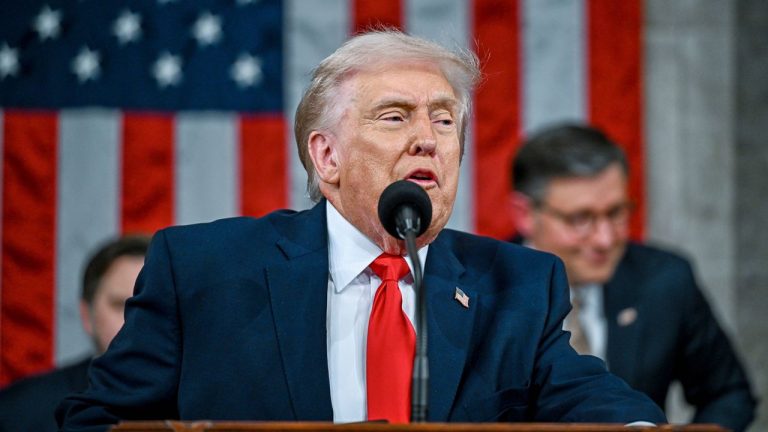
One of the most prominent critics was former President Donald Trump, who took to social media shortly after the performance aired to voice his disapproval. Trump called the show “absolutely terrible” and “one of the worst ever,” claiming it “makes no sense” and was out of step with what he considers American cultural values. He also argued that viewers “couldn’t understand a word this guy is saying,” a critique centered on the show’s Spanish‑language elements.
Trump’s comments were echoed by other conservative voices online and in media, many of whom objected to the halftime show’s tone, pacing and perceived political subtext. Some critics argued that the performance felt out of place for a family audience watching the Super Bowl, while others likened it to a broader cultural shift they don’t support.
At the same time, the performance drew praise from many quarters for its energy, creativity and inclusivity. Supporters argued that Bad Bunny’s halftime show reflected the cultural diversity of modern audiences and showcased a meaningful celebration of Latin music on a global platform. Numerous celebrities and public figures, including entertainers and athletes, shared positive reactions online, calling the show powerful, moving or joyful.
The viewing public’s response, in many ways, mirrored these broader divides. On some social media threads, fans described the performance as one of the most entertaining halftime shows in years. On others, viewers shared posts calling the show disappointing or “not what they expected.”
The Poll That Amplified Debate
Amid the flood of reactions, one unofficial online poll quickly became a focal point in the conversation about the halftime show’s reception. TMZ Sports published a poll on its website in which respondents were asked to choose which performance they preferred between Bad Bunny’s official NFL show and an alternative halftime show headlined by Kid Rock, hosted by the conservative group Turning Point USA.
By early Monday morning following the Super Bowl, the poll had drawn significant attention online, with results showing a notable lean toward Kid Rock among those who voted — roughly two‑thirds of respondents preferred the alternative show in the TMZ Sports poll, while about one‑third chose Bad Bunny’s performance.
While such online polls are far from scientific or representative of the general public, they nonetheless took on an outsized role in the debate. Critics of the Bad Bunny set pointed to the polling results as evidence that dissatisfaction extended beyond vocal conservative commentators and permeated a broader online audience. Supporters of Bad Bunny’s show, meanwhile, argued that the poll reflected a self‑selected group of respondents on social media rather than a true cross‑section of Super Bowl viewers.
Still, the poll injected fresh fuel into the ongoing conversation about the performance and became shorthand for criticism in many online discussions.
Cultural and Political Context
What made the reactions to Bad Bunny’s halftime show particularly intense was not just the performance itself but the cultural context surrounding it. Debates about identity, language, politics and entertainment have been increasingly prominent in recent years, and the Super Bowl — as a major cultural event — became another stage for those conversations.
Some conservative commentators framed their criticism of the performance as part of a larger narrative about American cultural values and what they believe should be showcased on a national platform. Others took issue with the Spanish‑language elements of the show or questioned the NFL’s decision to select an artist whose work is primarily non‑English, even though Bad Bunny has a significant global fan base.
Beyond political voices, reactions also came from within the sports world itself. Several NFL players expressed reservations about the choice of performer, with some saying that the halftime show should feature artists more closely tied to football culture or American musical traditions.
At the same time, supporters called attention to the landmark nature of Bad Bunny’s appearance. Not only did he bring a predominantly Spanish‑language set to the halftime show, but his performance also reinforced his status as one of the highest‑profile artists in the music industry — a global star whose tracks have topped charts around the world. Supporters contended that this kind of representation is meaningful and reflective of a broadening cultural landscape in the United States.
https://twitter.com/EricLDaugh/status/2020849109968581093
Divided Reactions Across Social Media
The public’s response on social platforms reflected the stark divide. Some threads were dominated by praise for the performance’s artistic elements and messages of unity that Bad Bunny shared during his set, such as visuals emphasizing love and togetherness. These supporters highlighted the joy many felt watching the performance and the ways it brought diverse audiences together.
Others focused on their disappointment with the show, emphasizing that it did not meet their expectations for a halftime performance at one of America’s most significant broadcast events. Many critics repeatedly cited the performance’s pacing or lyrical language as points of frustration.
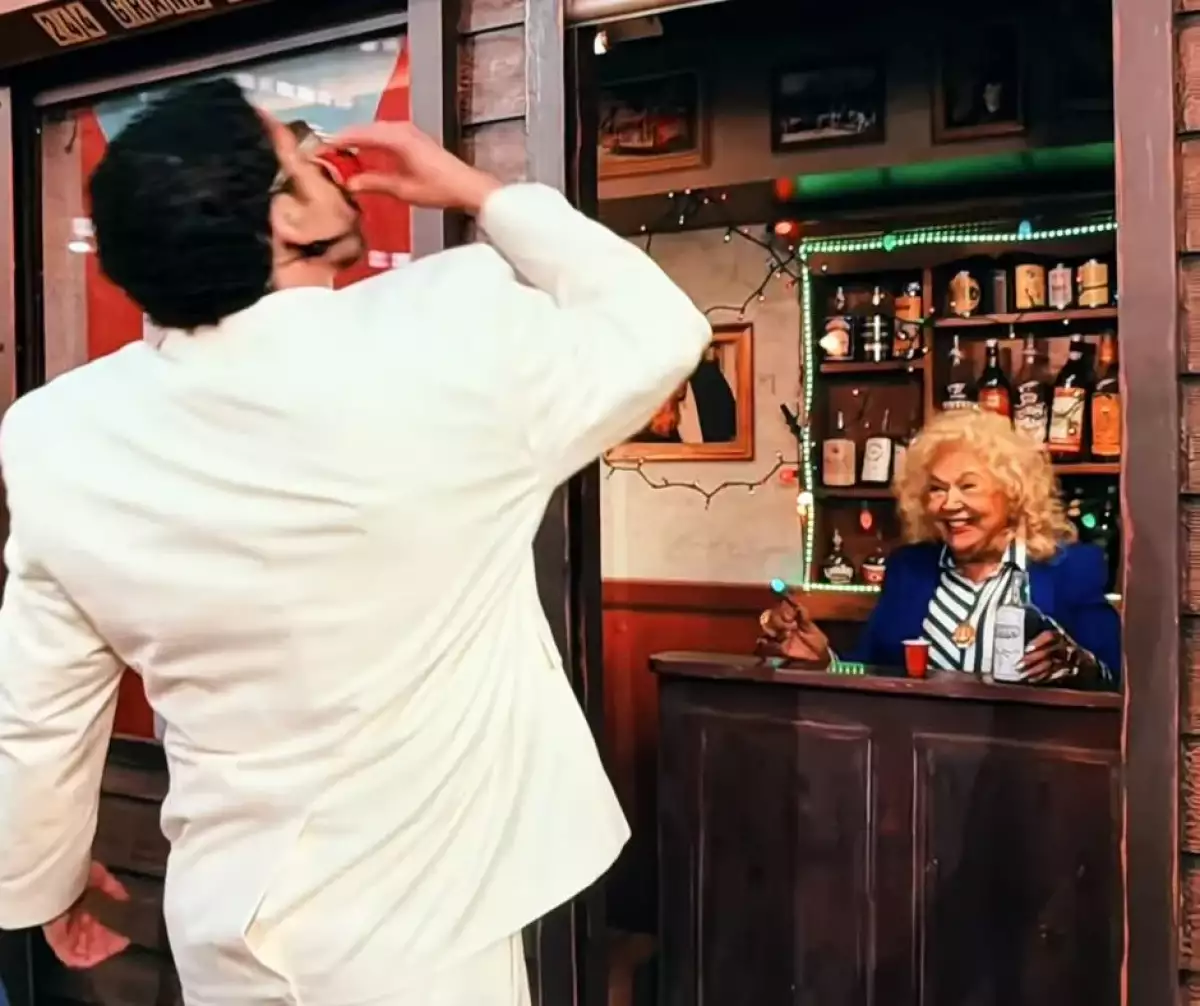
Even seemingly minor interactions — such as the way Bad Bunny integrated guest appearances or a specific visual moment in the production — became topics of conversation and interpretation. In highly engaged comment threads, users debated whether the show’s artistic choices were innovative or alienating, depending on their perspectives.
Broader Cultural Conversation
For many viewers, reactions to the halftime show were part of a broader cultural debate about how mainstream events should navigate diversity and representation in entertainment. Some argued that the halftime stage should prioritize artistic innovation and inclusivity, while others felt it should align more closely with traditional expectations.
This tension is not new, but the intensity of the reactions around Bad Bunny’s performance highlighted how cultural conversations have grown more polarized in mainstream spaces. Whether through commentary from political figures, online polls, or social media threads, the halftime show became a flashpoint for broader disagreements about identity, values and national symbolism.
In the end, the conversation extending from Bad Bunny’s halftime performance underscored how deeply entertainment, culture and public opinion intersect in today’s media landscape. The performance itself will be remembered not only for its artistic elements but also for the conversation it ignited, prompting discussion across cultural, political and social lines.

Emily Johnson is a critically acclaimed essayist and novelist known for her thought-provoking works centered on feminism, women’s rights, and modern relationships. Born and raised in Portland, Oregon, Emily grew up with a deep love of books, often spending her afternoons at her local library. She went on to study literature and gender studies at UCLA, where she became deeply involved in activism and began publishing essays in campus journals. Her debut essay collection, Voices Unbound, struck a chord with readers nationwide for its fearless exploration of gender dynamics, identity, and the challenges faced by women in contemporary society. Emily later transitioned into fiction, writing novels that balance compelling storytelling with social commentary. Her protagonists are often strong, multidimensional women navigating love, ambition, and the struggles of everyday life, making her a favorite among readers who crave authentic, relatable narratives. Critics praise her ability to merge personal intimacy with universal themes. Off the page, Emily is an advocate for women in publishing, leading workshops that encourage young female writers to embrace their voices. She lives in Seattle with her partner and two rescue cats, where she continues to write, teach, and inspire a new generation of storytellers.