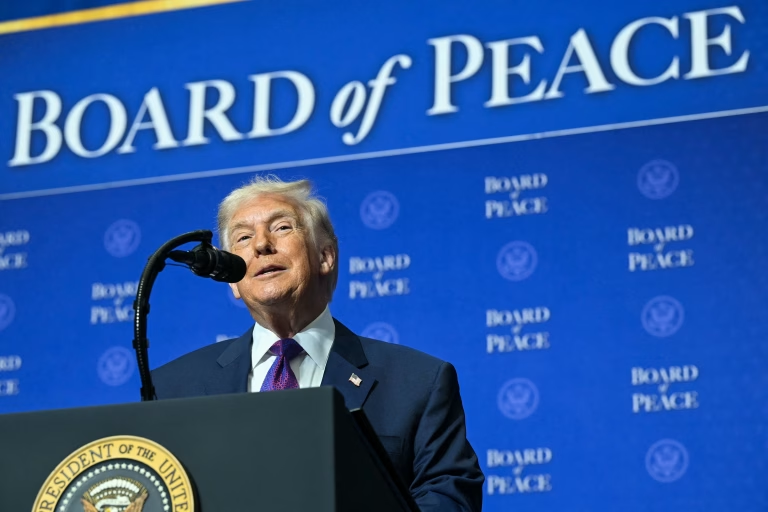

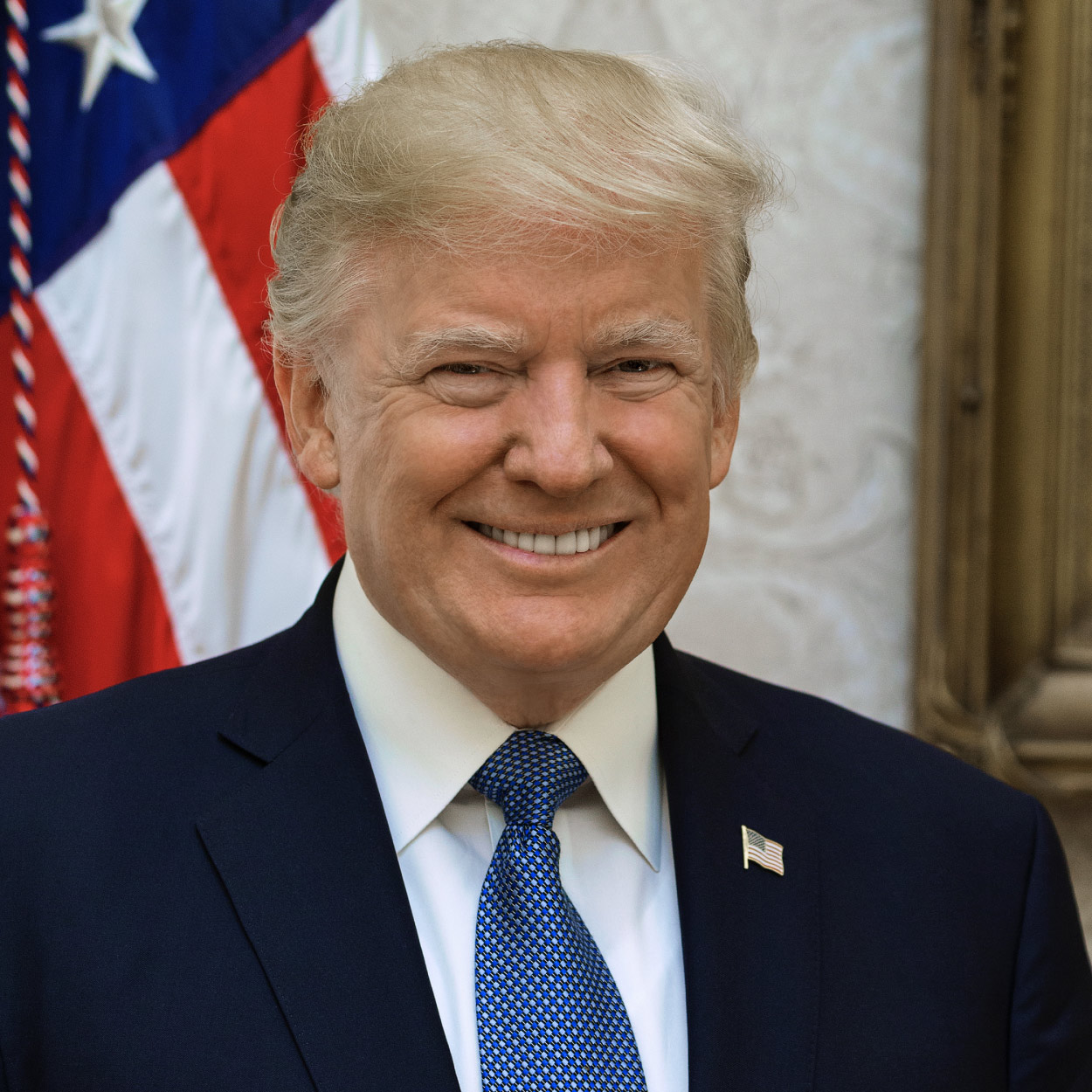
President Donald Trump has reversed his position on a proposed short-term exemption to immigration enforcement operations targeting industries like agriculture and hospitality. After signaling a potential pause in workplace raids last week, the administration has now directed U.S. Immigration and Customs Enforcement (ICE) to proceed with enforcement activities at farms, hotels, and other labor-reliant sectors.
This shift comes after days of conflicting guidance within federal agencies. Initially, there were internal discussions suggesting a halt to worksite enforcement in specific industries that heavily depend on immigrant labor. The temporary pause was reportedly aimed at addressing concerns voiced by farmers and business owners about labor shortages.
Last Thursday, Trump took to social media to acknowledge the pressure coming from those sectors. In his post, he wrote, “Our great Farmers and people in the Hotel and Leisure business have been stating that our very aggressive policy on immigration is taking very good, long time workers away from them, with those jobs being almost impossible to replace.”
He further criticized immigration policies under the previous administration, stating, “In many cases the Criminals allowed into our Country by the VERY Stupid Biden Open Borders Policy are applying for those jobs. This is not good. We must protect our Farmers, but get the CRIMINALS OUT OF THE USA. Changes are coming!”
Trump’s initial comments sparked speculation that the administration might allow a limited exemption for sectors experiencing the worst labor shortages. However, that idea has now been shelved, as ICE is reportedly moving forward with standard enforcement measures without delay or exceptions.
The decision has sparked debate on both sides of the political aisle. Supporters of strict immigration control argue that any exemption would weaken enforcement efforts and send mixed signals. Meanwhile, critics of the reversal argue that continuing raids in industries facing worker shortages may lead to economic disruptions and strain relationships with rural and business communities that have historically supported Trump.
Industry representatives, particularly in agriculture and hospitality, had hoped for more flexibility. Many claim that legal immigrant labor plays an essential role in their operations and that sudden enforcement surges could threaten productivity during peak seasons.
Trump’s move underscores his administration’s renewed focus on broad immigration enforcement and may signal more aggressive policy shifts in the months ahead. As the 2026 midterm elections approach and speculation grows around the 2028 presidential race, Trump’s balancing act between enforcing immigration laws and maintaining economic stability in key sectors will likely remain in the spotlight.

James Jenkins is a celebrated Pulitzer Prize-winning author whose work has reshaped the way readers think about social justice and human rights in America. Raised in Atlanta, Georgia, James grew up in a community that instilled in him both resilience and a strong sense of responsibility toward others. After studying political science and creative writing at Howard University, he worked as a journalist covering civil rights issues before dedicating himself fully to fiction. His novels are known for their sharp, empathetic portraits of marginalized communities and for weaving personal stories with broader political realities. Jenkins’s breakout novel, Shadows of Freedom, won national acclaim for its unflinching look at systemic inequality, while his more recent works explore themes of identity, resilience, and the fight for dignity in the face of oppression. Beyond his novels, James is an active public speaker, lecturing at universities and participating in nonprofit initiatives that support literacy and community empowerment. He believes that storytelling is a way to preserve history and inspire change. When not writing, James enjoys jazz music, mentoring young writers, and traveling with his family to explore cultures and stories around the world.