As the dust continues to settle from the most recent presidential election, attention in political circles is already drifting toward what comes next. While the 2028 election remains years away, early indicators are beginning to shape conversations about the future of American leadership. Among those indicators, one unlikely source has captured widespread attention: online prediction markets.
These platforms, which allow users to place bets on future political outcomes, have become increasingly popular in recent election cycles. Supporters argue that they offer a real-time snapshot of public sentiment, while critics caution that they reflect speculation rather than reality. Still, when new numbers emerge, they tend to spark debate far beyond the betting community.
Recently, updated odds from one such platform ignited a flurry of reactions—largely because of who appeared on the list, and how those names were ranked.
Why Prediction Markets Draw So Much Attention
Prediction markets like Kalshi operate on a simple principle: participants wager money on the likelihood of specific outcomes. In theory, the collective behavior of thousands of users creates a probability estimate that reflects perceived chances of success.
Over the years, these markets have been used to forecast everything from economic trends to legislative outcomes. Elections, however, remain their most closely watched category. Because money is involved, proponents argue that participants are incentivized to be realistic rather than aspirational.
That said, these platforms are not polls, nor are they forecasts. They measure belief, not inevitability. Even so, the numbers often influence public discussion—especially when they defy conventional wisdom.
Constitutional Limits and Political Reality
One of the most striking aspects of the latest betting data is how it intersects with constitutional law. The 22nd Amendment clearly states that no individual may be elected president more than twice. This provision has been in place since the 1950s and has long been considered a settled matter in American governance.
Despite that clarity, history has shown that public speculation does not always align neatly with legal constraints. Political loyalty, name recognition, and media attention can all shape perception—sometimes in ways that seem to contradict established rules.
In recent years, even the theoretical discussion of a third presidential term has re-entered the public conversation, largely driven by offhand remarks, media commentary, and online speculation. While such a scenario would face overwhelming legal obstacles, it has nonetheless become part of the broader political discourse.
The Role of Public Perception
Perception matters in politics—often more than feasibility. High-profile figures tend to dominate early discussions of future races, regardless of whether they ultimately run. Their continued visibility can inflate perceived influence long after their formal eligibility has ended.
This dynamic is particularly evident with former presidents and vice presidents, whose names carry weight across party lines. Supporters may see them as proven leaders, while critics view them as symbols of a past era. Either way, they remain part of the conversation.
That lingering presence can have a measurable effect on betting markets, where emotional investment and partisan enthusiasm frequently play a role.
A Closer Look at the Numbers
When the latest odds were released, they quickly circulated on social media—not because of who topped the list, but because of a comparison buried deeper in the rankings.
At first glance, the list appears predictable. Familiar names dominate the upper tier: sitting officeholders, prominent governors, and nationally recognized political figures. These candidates benefit from established donor networks, media access, and party infrastructure.
However, as users scrolled further, the rankings became more surprising. One particular comparison prompted disbelief, sarcasm, and frustration in equal measure.
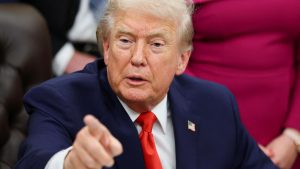
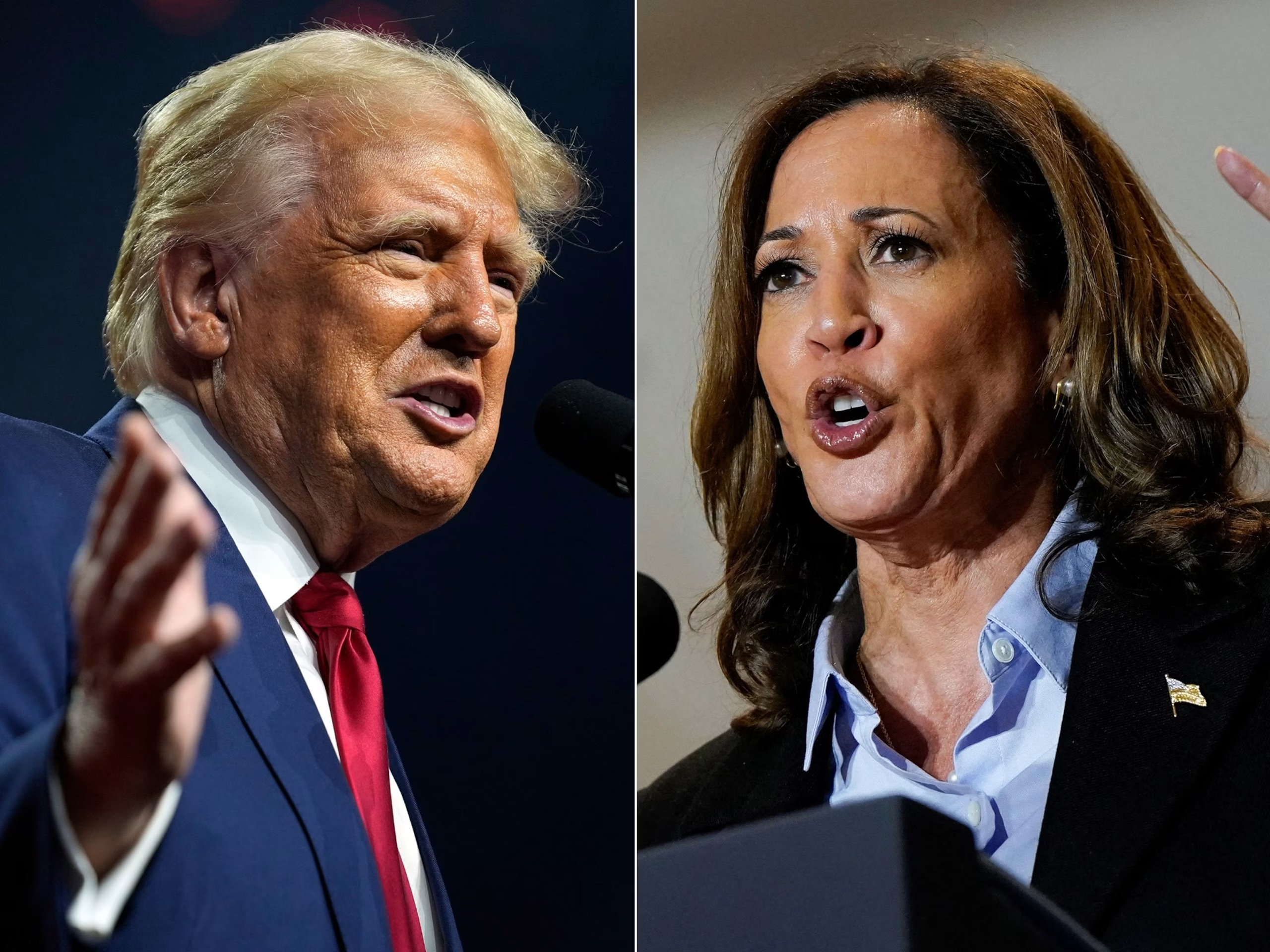
Despite constitutional barriers that would make a future run extraordinarily unlikely, Donald Trump was listed with higher odds of winning the 2028 election than Kamala Harris, the former vice president and 2024 Democratic nominee.
On the platform, Trump was assigned roughly a six percent chance, while Harris stood at three percent.
Why the Comparison Struck a Nerve
The reaction was swift. For many observers, the ranking symbolized something deeper than betting math. It reflected dissatisfaction, distrust, and a broader crisis of confidence—particularly within Democratic circles.
Kamala Harris, after all, has already cleared many of the hurdles that aspiring presidents face. She has served as vice president, won statewide elections, and led a major party ticket. Yet, in this snapshot of speculative belief, she trailed someone who is constitutionally barred from holding the office again.
The irony was not lost on commentators.
Some pointed out the contradiction among voters who believe Trump won the 2020 election, yet also accepted his eligibility to run again in 2024. Others framed the odds as a blunt indictment of the Democratic Party’s bench strength and messaging problems.
Trump’s Enduring Political Gravity
Regardless of legality, Trump’s continued prominence helps explain his position in the odds. He remains one of the most recognizable political figures in the world, with a loyal base that has shown little erosion over time.
Even as polling numbers fluctuate and policy approval rises and falls, his influence within Republican politics is undeniable. That influence alone is enough to sustain speculative belief, particularly in markets driven by momentum rather than strict legal analysis.
Trump himself has occasionally fueled speculation by making ambiguous or provocative comments about extended leadership, further blurring the line between impossibility and perception.
Harris and the Democratic Challenge
For Harris, the odds reflect a different challenge. After entering the 2024 race under difficult circumstances, her campaign struggled to consolidate support amid shifting voter priorities and narrow margins in key states.
While Democrats have notched significant wins at the state and local level since then, the party continues to grapple with questions about leadership, direction, and voter enthusiasm at the national level.
Harris’s lower ranking appears to reflect skepticism—not necessarily about her qualifications, but about her viability in a crowded and uncertain future field.
Who Leads the 2028 Field?
At the top of the betting market sits Vice President JD Vance, who is currently assigned a 30 percent chance of winning the 2028 election. His position reflects both institutional advantage and growing influence within Republican politics.
On the Democratic side, Gavin Newsom emerges as the strongest contender, with odds near 20 percent. Other notable names include Alexandria Ocasio-Cortez, Marco Rubio, Pete Buttigieg, and several governors viewed as rising national figures.
The list underscores one key reality: the 2028 race is wide open, and early assumptions remain highly fluid.
Interpreting the Odds with Caution
Despite the strong reactions, it’s important to remember what prediction markets are—and what they are not. They do not predict outcomes. They reflect sentiment at a specific moment in time, shaped by news cycles, narratives, and public mood.
As one user aptly reminded others online, these platforms are better understood as mirrors of belief rather than crystal balls.
Still, the conversation sparked by these odds reveals something real: a political landscape marked by volatility, skepticism, and an electorate uncertain about what—or who—comes next.
A Snapshot, Not a Verdict
The surprise surrounding these rankings is less about the numbers themselves and more about what they represent. They capture frustration, loyalty, fatigue, and uncertainty—all coexisting in the same political moment.
As 2028 approaches, many of these odds will shift, names will rise and fall, and today’s shock will become tomorrow’s footnote. For now, though, the reaction says as much about the national mood as it does about any individual candidate.

Emily Johnson is a critically acclaimed essayist and novelist known for her thought-provoking works centered on feminism, women’s rights, and modern relationships. Born and raised in Portland, Oregon, Emily grew up with a deep love of books, often spending her afternoons at her local library. She went on to study literature and gender studies at UCLA, where she became deeply involved in activism and began publishing essays in campus journals. Her debut essay collection, Voices Unbound, struck a chord with readers nationwide for its fearless exploration of gender dynamics, identity, and the challenges faced by women in contemporary society. Emily later transitioned into fiction, writing novels that balance compelling storytelling with social commentary. Her protagonists are often strong, multidimensional women navigating love, ambition, and the struggles of everyday life, making her a favorite among readers who crave authentic, relatable narratives. Critics praise her ability to merge personal intimacy with universal themes. Off the page, Emily is an advocate for women in publishing, leading workshops that encourage young female writers to embrace their voices. She lives in Seattle with her partner and two rescue cats, where she continues to write, teach, and inspire a new generation of storytellers.