The Pentagon has refused calls to release the full, unedited footage of a lethal U.S. military strike carried out on September 2 against a suspected drug-trafficking vessel, raising concerns among lawmakers over transparency and the potential implications of U.S. military operations abroad. The decision has intensified scrutiny of the military’s approach to counter-narcotics efforts in the Caribbean and sparked broader discussions on the legal and ethical boundaries of such operations.
The incident at the center of the controversy involved a vessel allegedly transporting cocaine for the Tren de Aragua cartel. The U.S. military struck the boat in international waters, reportedly killing all aboard. Reports indicate that two individuals survived the initial attack, prompting a follow-up strike that proved fatal. The Pentagon maintains that the details of the full operation remain classified and sensitive, citing national security concerns.
“Of course we’re not going to release a top secret, full, unedited video of that to the general public,” Defense Secretary Pete Hegseth said at a press briefing following a closed-door session with senators. Hegseth emphasized that the footage contains operational information that could reveal intelligence-gathering techniques and strategic methods, which could compromise future missions if disclosed.
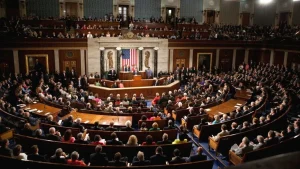
Despite these claims, several members of Congress have pushed for broader access, arguing that withholding the footage undermines public accountability and raises questions about potential violations of international law. Senate Minority Leader Chuck Schumer (D-N.Y.) said that if the Pentagon cannot be fully transparent with lawmakers, it is difficult to trust its oversight on sensitive operations in the Caribbean region.
The debate has also highlighted divisions along party lines. Some Republican lawmakers, including Sen. Markwayne Mullen (R-Okla.), defended the Pentagon’s actions, noting that hundreds of similar strikes have been conducted under previous administrations without generating comparable controversy. According to Mullen, approximately 500 strikes during the Obama administration resulted in roughly 3,700 fatalities, yet did not provoke significant public debate at the time.
Conversely, Democrats such as Sen. Elizabeth Warren (D-Mass.) have questioned the rationale for withholding the unedited video. Warren argued that footage of the initial strike had already been made public, leaving unclear why the subsequent footage could not also be shared with lawmakers or select oversight bodies. “They just don’t want to reveal the part that suggests war crimes,” Warren said, reflecting concerns that the follow-up strike on the survivors could constitute a violation of international law.
The congressional pushback comes amid broader concerns about the U.S. military’s growing presence near Venezuela. Recent operations have included warships patrolling regional waters, fighter jet maneuvers near Venezuelan airspace, and the seizure of an oil tanker allegedly linked to cartel activities. Some lawmakers have warned that these actions, while framed as counter-narcotics efforts, risk escalating tensions with Caracas and creating diplomatic challenges in the region.
In response, Secretary of State Marco Rubio stressed that the administration remains committed to dismantling the infrastructure of terrorist organizations and drug cartels, describing the operations as a cornerstone of the “America First” agenda. Rubio framed the strikes as proactive measures aimed at weakening transnational criminal networks that threaten U.S. security and economic stability.
The incident also raises questions about the classification of the footage and the process for Congressional access. Hegseth stated that members of the Armed Services Committees in both the House and Senate would be allowed to review the video this week. However, he did not clarify whether all members of Congress would have access, a decision that could exacerbate existing tensions over perceived selective transparency.
Legal scholars observing the case note that the situation occupies a gray area in international law. While U.S. forces have broad authority to target foreign drug-trafficking operations in international waters, the follow-up strike on individuals who survived the initial attack introduces potential concerns under the laws of armed conflict, particularly regarding proportionality and the treatment of combatants or non-combatants. Some commentators have argued that such actions, if not properly documented and justified, could be interpreted as extrajudicial killings under international standards.
The Pentagon’s refusal to release the unedited footage has not stopped the debate from extending into the public sphere. Analysts have noted that the lack of full transparency fuels speculation about both the legality of the strikes and the conduct of U.S. forces abroad. Critics argue that withholding footage, even for security reasons, contributes to perceptions of impunity, especially when lethal operations involve civilian areas or situations where the line between combatant and non-combatant may be unclear.
Adding to the scrutiny, U.S. Southern Command announced additional military actions earlier this week, reporting that three more vessels were struck in international waters, resulting in eight fatalities. Officials confirmed that these vessels were traveling along known narcotics trafficking routes in the Eastern Pacific and were engaged in illicit operations. While the military framed these strikes as part of a broader campaign to interdict drug flows, some lawmakers expressed concern that the accumulation of such lethal actions could escalate tensions with regional actors, particularly as the operations approach Venezuelan waters.
Observers note that the political context of the strikes is also significant. Under the current administration, counter-narcotics operations have become highly visible, both as a policy priority and a messaging tool. Some analysts suggest that the visibility of these actions, including the selective release of strike footage, may serve dual purposes: demonstrating operational effectiveness while controlling the narrative for domestic audiences.
The debate over transparency comes at a time when Congress has increasingly asserted oversight over military actions, especially those with potential international ramifications. Advocates for full disclosure argue that allowing broader Congressional review of classified operations ensures compliance with both U.S. law and international norms, while also providing a check against misuse of military authority.
From a historical perspective, military strikes on foreign vessels linked to drug trafficking are not new, but the level of public attention has grown significantly due to real-time reporting, social media, and direct presidential engagement. President Donald Trump publicly shared footage of earlier operations on social platforms, drawing both support and criticism from different segments of the public. The direct involvement of political leadership in promoting operational outcomes has intensified the stakes of congressional oversight, as lawmakers balance national security concerns with accountability.
Experts also point to the technical challenges of releasing unedited footage. Military operations often involve sensitive imagery, including intelligence collection, satellite reconnaissance, and aerial surveillance. Disclosure of raw material could inadvertently expose capabilities, methodologies, or personnel identities. Still, many contend that mechanisms exist for secure review, including closed sessions for lawmakers, that would allow oversight without compromising operational security.
Civil society organizations have joined the discussion, arguing that lethal strikes on suspected traffickers, especially those involving follow-up attacks on survivors, warrant careful examination. Human rights advocates emphasize that U.S. military policy must adhere to international standards and avoid setting precedents that could justify extrajudicial actions in other contexts. They stress that transparency and accountability are essential for maintaining the legitimacy of military operations abroad.
Meanwhile, political commentators have highlighted the interplay between public opinion and congressional action. Lawmakers’ calls for full disclosure resonate with constituents concerned about U.S. involvement in foreign military engagements, the ethical implications of lethal operations, and the potential for escalation with neighboring countries. These debates may influence future defense policy decisions and oversight mechanisms, particularly as the administration balances operational priorities with political accountability.
As the week progresses, congressional access to the classified footage is expected to provide a clearer picture of the incident, though it remains uncertain whether the review will satisfy critics demanding full transparency. Questions about the legality, proportionality, and necessity of the strikes are likely to persist, regardless of what is revealed in the video.
Observers also note the broader regional implications of U.S. military actions near Venezuela and throughout the Caribbean. While aimed at disrupting organized crime and narcotics trafficking, the concentration of military assets in these areas could exacerbate tensions, provoke diplomatic pushback, and complicate longstanding U.S. relationships in Latin America. The administration has framed these operations as targeted, strategic, and essential for national security, but regional leaders and some international legal experts remain cautious.
In summary, the Pentagon’s refusal to release the full, unedited video of the September 2 boat strike has sparked a complex debate that touches on transparency, accountability, international law, and U.S. military strategy. Lawmakers, civil society groups, and political observers continue to weigh the ethical and legal dimensions of the follow-up strike on surviving individuals.
As Congress prepares for controlled access to the footage, the discussion underscores the persistent tension between national security imperatives and the public’s right to information. With additional operations continuing in the Caribbean and the Eastern Pacific, these questions are likely to remain central to U.S. policy and oversight debates, shaping perceptions of military conduct and American leadership on the global stage.

Emily Johnson is a critically acclaimed essayist and novelist known for her thought-provoking works centered on feminism, women’s rights, and modern relationships. Born and raised in Portland, Oregon, Emily grew up with a deep love of books, often spending her afternoons at her local library. She went on to study literature and gender studies at UCLA, where she became deeply involved in activism and began publishing essays in campus journals. Her debut essay collection, Voices Unbound, struck a chord with readers nationwide for its fearless exploration of gender dynamics, identity, and the challenges faced by women in contemporary society. Emily later transitioned into fiction, writing novels that balance compelling storytelling with social commentary. Her protagonists are often strong, multidimensional women navigating love, ambition, and the struggles of everyday life, making her a favorite among readers who crave authentic, relatable narratives. Critics praise her ability to merge personal intimacy with universal themes. Off the page, Emily is an advocate for women in publishing, leading workshops that encourage young female writers to embrace their voices. She lives in Seattle with her partner and two rescue cats, where she continues to write, teach, and inspire a new generation of storytellers.