




Across Oklahoma, concerns about public safety and state preparedness are mounting as officials monitor extreme conditions in the region. Residents and lawmakers have expressed growing unease over environmental hazards, while local communities brace for potential emergencies that could impact both property and lives.
In recent days, Oklahoma’s political landscape has been dominated by discussions of state readiness and the role of leadership in protecting vulnerable populations. Lawmakers and civic organizations have highlighted the importance of robust emergency protocols, particularly in the face of unpredictable conditions that can escalate rapidly. Analysts note that these conversations are occurring against a backdrop of increasing weather volatility across the central and southern United States, raising questions about infrastructure, response coordination, and communication between agencies.
Amid these discussions, the state’s elected officials have been scrutinized for how effectively they anticipate and respond to emergent threats. For Oklahoma, a state with expansive rural areas and dense agricultural zones, the stakes are especially high. Residents in these regions often face extended response times from emergency services, making local leadership critical in issuing warnings, mobilizing first responders, and ensuring that communities are prepared for unexpected crises.
It is in this context that the severity of ongoing events in the Oklahoma Panhandle has come sharply into focus. On Wednesday, Oklahoma Governor Kevin Stitt officially declared a state of emergency in parts of the Panhandle region. The action came after wildfires spread rapidly across multiple counties, fueled by high winds, dry conditions, and unusually low humidity, threatening homes, infrastructure, and the safety of residents.
“The Woodward fires are about 20 percent contained, and we were very fortunate to keep most neighborhoods safe. A few homes were lost, and we’re keeping four injured firefighters in our prayers as they recover after working tirelessly through the night,” Governor Stitt said in a statement. He emphasized the importance of vigilance and cooperation with emergency services, adding, “As we head into today and tomorrow, conditions remain dangerous. We need every Oklahoman to stay alert and continue taking fire warnings seriously.”
Stitt’s declaration encompasses Beaver, Texas, and Woodward counties, and prompted precautionary evacuations, including the town of Tyrone in Beaver County. The governor’s office has been coordinating with local fire departments, the Oklahoma Forestry Services, and neighboring states to ensure a unified response. In addition to deploying state firefighting resources, Governor Stitt has been actively communicating with residents about safety protocols, such as staying indoors when possible, avoiding travel through smoke- or fire-affected areas, and preparing for rapid evacuation if conditions worsen.
The wildfire situation extends beyond Oklahoma. Neighboring Kansas has also issued emergency measures, with Governor Laura Kelly declaring a state of disaster for areas at risk of fire spread due to similarly dry and windy conditions. The Ranger Road Fire, burning from Beaver County into southwestern Kansas, has consumed approximately 145,000 acres and remains zero percent contained, according to the Oklahoma Forestry Services. Additional fires, including the Stevens Fire, Side Road Fire, and the 43 Fire, have burned thousands of acres across Oklahoma and into Kansas, though containment levels vary between 20 and 25 percent.
“The combination of gusty winds and low relative humidity will bring critical fire weather to the central and southern High Plains,” the National Weather Service (NWS) warned. Officials cautioned residents to monitor updates continuously, noting that “plumes of blowing dust will create pockets of low visibility” and that travel could become hazardous within short distances. Red Flag Warnings are in effect across western Oklahoma, Texas, and Kansas, as well as parts of eastern Colorado and New Mexico, underscoring the risk of rapid fire spread.
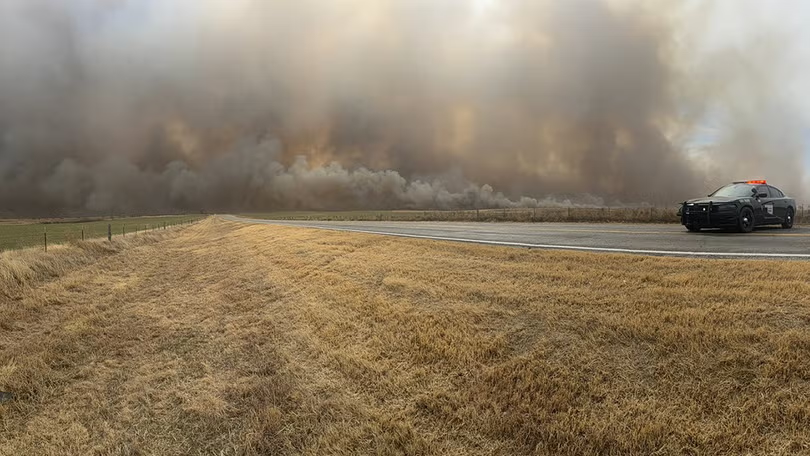
Governor Stitt has highlighted the tireless efforts of first responders. Firefighters have worked through the night to protect communities, often under dangerous conditions, while forestry crews manage containment lines and extinguish hotspots. The governor praised their dedication, noting that “their skill and bravery have saved countless lives and prevented broader destruction.” Local officials have also emphasized the importance of community preparedness, encouraging residents to develop evacuation plans, maintain emergency supplies, and heed alerts from both the state and county authorities.
The wildfire crisis underscores broader discussions around climate, environmental policy, and state-level emergency management. While Oklahoma has historically faced natural hazards, the intensity and frequency of these wildfires reflect a growing challenge for public officials and residents alike. Analysts suggest that leadership, including proactive emergency declarations and coordinated response efforts, can mitigate the impact of such events, reducing both property damage and the risk of injury.
Governor Stitt’s state of emergency also brings into focus the need for long-term resilience planning. Officials are evaluating infrastructure vulnerabilities, access to firefighting resources, and inter-agency coordination. These measures are critical not only for immediate containment but also for reducing future risks as climatic conditions continue to fluctuate. Residents and civic groups have expressed support for transparent communication, emphasizing the importance of timely alerts, accurate reporting of fire progression, and guidance for safe evacuation routes.
While the Oklahoma Panhandle remains under critical alert, Governor Stitt and state officials continue to monitor conditions, adjusting response strategies as needed. Local hospitals and emergency facilities are on heightened alert for potential injuries, while fire crews from neighboring states stand ready to provide additional assistance. The governor has called on all residents to stay informed, comply with evacuation orders, and assist neighbors in preparing for potential fire-related emergencies.
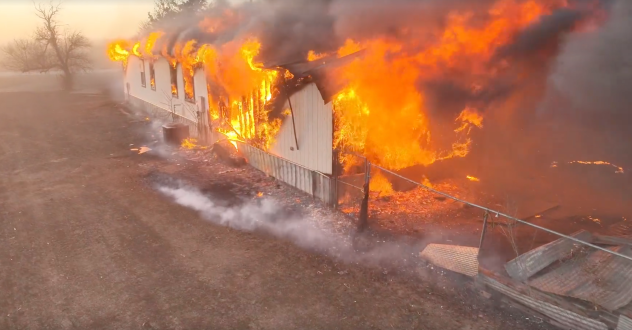
As of the latest updates, containment efforts remain ongoing. Firefighters are focused on protecting homes and critical infrastructure, managing fire lines, and mitigating risks posed by wind-driven flames. Governor Stitt has stressed that the situation, while challenging, is being handled with coordinated state and local efforts, ensuring that resources are allocated where they are most needed.
In conclusion, the unfolding wildfire emergency in Oklahoma’s Panhandle highlights the delicate balance between environmental risks and effective governance. Governor Kevin Stitt’s proactive measures—including the state of emergency declaration, coordinated firefighting response, and clear communication to residents—demonstrate the critical role of leadership in mitigating disasters. As fires continue to burn across Oklahoma and into Kansas, Texas, and other neighboring states, officials emphasize vigilance, preparedness, and community cooperation as essential tools for protecting life, property, and the region’s long-term resilience.

Emily Johnson is a critically acclaimed essayist and novelist known for her thought-provoking works centered on feminism, women’s rights, and modern relationships. Born and raised in Portland, Oregon, Emily grew up with a deep love of books, often spending her afternoons at her local library. She went on to study literature and gender studies at UCLA, where she became deeply involved in activism and began publishing essays in campus journals. Her debut essay collection, Voices Unbound, struck a chord with readers nationwide for its fearless exploration of gender dynamics, identity, and the challenges faced by women in contemporary society. Emily later transitioned into fiction, writing novels that balance compelling storytelling with social commentary. Her protagonists are often strong, multidimensional women navigating love, ambition, and the struggles of everyday life, making her a favorite among readers who crave authentic, relatable narratives. Critics praise her ability to merge personal intimacy with universal themes. Off the page, Emily is an advocate for women in publishing, leading workshops that encourage young female writers to embrace their voices. She lives in Seattle with her partner and two rescue cats, where she continues to write, teach, and inspire a new generation of storytellers.