A Grammy-winning rapper and once-prominent political booster is heading to federal prison after receiving a 14-year sentence for orchestrating what prosecutors described as one of the most sprawling foreign influence operations in modern American politics. Pras Michel, a founding member of the iconic hip-hop group The Fugees, was convicted in 2023 and has now finally learned his fate.
The crimes were serious, extensive, and deeply entangled with U.S. political power. Federal prosecutors alleged that Michel funneled millions of dollars in illegal foreign contributions into Barack Obama’s 2012 presidential campaign—a scheme financed by fugitive Malaysian billionaire Low Taek Jho, better known as Jho Low. The operation spanned continents, involved a network of straw donors, and aimed to buy political access at the very highest levels of government.
For years, the case received relatively limited mainstream attention. But the sentence handed down this week has revived questions conservatives have been asking for more than a decade: How deeply did foreign actors penetrate the Obama-era political machine, and why have so few powerful names been willing to speak publicly about it?
A Foreign Cash Pipeline Into a U.S. Election
According to the Justice Department, Michel accepted $120 million from Jho Low as part of a broader influence operation. A significant portion of that money was quietly spread throughout the 2012 Obama reelection effort using roughly 20 straw donors—individuals who illegally donated on behalf of foreign sources.
Federal prosecutors accused Michel of coordinating the network, concealing the origin of the money, and helping Jho Low pursue his ambitions to build influence inside Washington. In doing so, Michel violated multiple federal laws designed to prevent foreign nationals from exerting control over American elections.
The scale of the scheme shocked even seasoned investigators. Prosecutors argued Michel’s actions were not mere campaign violations but part of a years-long strategy to manipulate senior U.S. officials, derail investigations into Jho Low, and influence decisions involving foreign governments.
The sentencing memo was blunt: Michel “betrayed his country for money.”
A 14-Year Sentence That Could Have Been Much Worse
While prosecutors sought a life sentence, Michel’s defense team argued that three years would be more appropriate. They insisted that the government’s proposed penalty—typically reserved for terrorism, murder, or cartel-level trafficking—was excessive.
Michel’s attorney, Peter Zeidenberg, called the 14-year term “completely disproportionate.”
But the judge disagreed, citing the magnitude of the influence operation and Michel’s alleged lies, obstruction, and witness tampering after he was caught.
Prosecutors emphasized in their memo that Michel and his co-conspirators:
-
Targeted the highest ranks of government
-
Tried to manipulate a sitting president
-
Funneled foreign money into the heart of a U.S. election
-
Attempted to end the DOJ’s investigation into the infamous 1MDB scandal
-
Sought to secure favors from senior officials without due process
The crimes were not impulsive, prosecutors said, but deliberate, calculated, and executed over nearly a decade.
The AI Disaster: A Legal Defense in Shambles
The sentencing was delayed in part because the defense filed for a retrial last year, claiming Michel’s former lawyer had used generative AI to write the closing argument.
It sounds unbelievable, but the argument came straight from court filings.
Michel’s new attorneys accused the previous defense lawyer, David Kenner, of outsourcing trial prep to inexperienced contractors and relying heavily on an experimental AI program that produced a deeply flawed closing argument.
The filing was brutal:
-
The AI “misapprehended the required elements”
-
It “conflated schemes”
-
It “ignored critical weaknesses” in the government’s case
-
And the argument overall was “deficient, unhelpful, and a missed opportunity”
The new team said bluntly: “The AI program failed Kenner, and Kenner failed Michel.”
The judge denied the retrial.
In the end, no amount of legal maneuvering could overcome the evidence presented by federal prosecutors—evidence the court described as overwhelming.
The Prosecutors’ Memo: A Damning Summary of Corruption
In one of the most detailed sentencing memos in recent memory, prosecutors outlined why Michel’s crimes warranted severe punishment. They wrote that Michel:
-
Funneled foreign contributions into a U.S. presidential election
-
Tried to covertly influence the White House
-
Targeted the Attorney General and the Secretary of State
-
Tried to end the investigation into the 1MDB scandal
-
Attempted to have a Chinese national deported outside normal legal channels
-
Lied repeatedly to officials, investigators, and the court
The memo painted a picture of a man willing to do anything for money and fame, all while advancing the interests of a foreign billionaire facing massive fraud allegations.
Michel’s “extraordinary” effort, prosecutors said, was designed to directly influence U.S. policy at the highest levels.
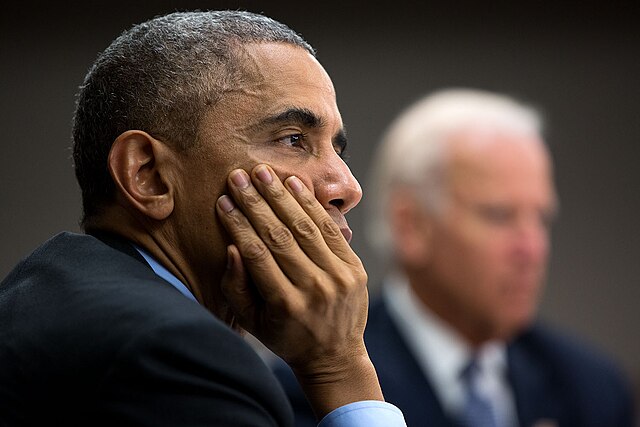
The One Person Staying Silent: Barack Obama
Michel’s operation tied directly into the 2012 Obama campaign—as confirmed by prosecutors, court filings, and the DOJ’s public statements on the case. Yet, one person has remained conspicuously quiet throughout the ordeal: Barack Obama himself.
For a former president who rarely hesitates to speak out on current events, political controversies, or even cultural issues, the silence around a foreign money pipeline connected to his own reelection effort is notable.
There is no allegation that Obama personally knew about the scheme. But conservatives have long argued that if the situation were reversed—if a foreign-financed criminal conspiracy funneled millions into a Republican campaign—media coverage would look very different.
Instead, the story has largely stayed on the outskirts of mainstream discussion, despite involving:
-
A Grammy-winning celebrity
-
A fugitive billionaire
-
Illegal campaign contributions
-
Foreign influence
-
Attempts to sway top U.S. leaders
-
And the largest embezzlement scandal in world history (1MDB)
That silence, critics say, speaks volumes.
A High-Profile Fall With Far-Reaching Implications
Michel’s case sits at the intersection of celebrity, politics, foreign money, and the enduring question of election integrity. It’s a story of influence peddling, hubris, and a legal system still grappling with the consequences of global corruption seeping into American elections.
For conservatives, the case is further evidence that the Obama era—often portrayed by Democrats as a period of unprecedented ethics and stability—was far more vulnerable to foreign manipulation than many were willing to admit.
Michel now begins a 14-year federal prison sentence, his appeal pending but chances slim. His life of fame, wealth, and political access has collapsed under the weight of evidence.
But the larger questions remain:
How many others were involved?
How much influence did foreign interests really gain?
And why is so much of Washington pretending this is just another forgotten headline?
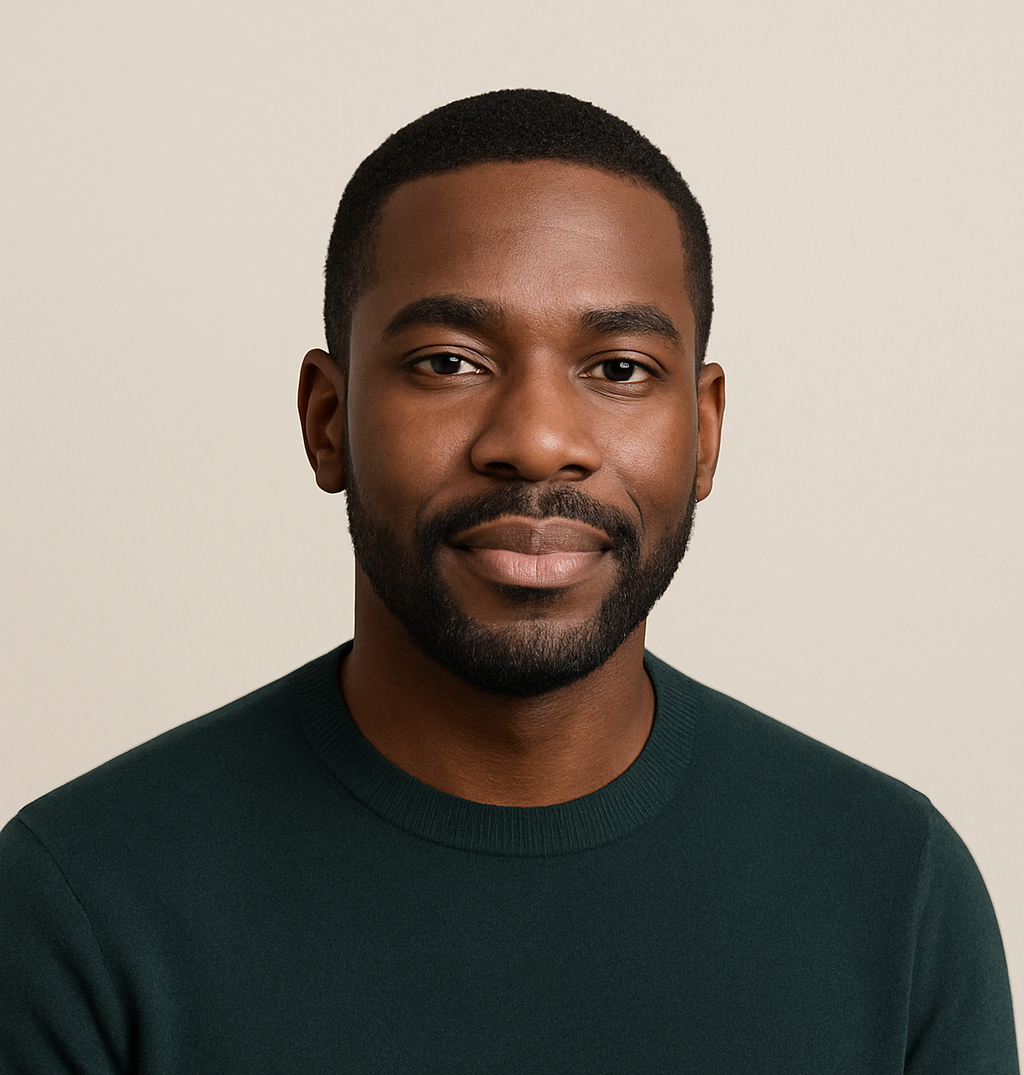
James Jenkins is a celebrated Pulitzer Prize-winning author whose work has reshaped the way readers think about social justice and human rights in America. Raised in Atlanta, Georgia, James grew up in a community that instilled in him both resilience and a strong sense of responsibility toward others. After studying political science and creative writing at Howard University, he worked as a journalist covering civil rights issues before dedicating himself fully to fiction. His novels are known for their sharp, empathetic portraits of marginalized communities and for weaving personal stories with broader political realities. Jenkins’s breakout novel, Shadows of Freedom, won national acclaim for its unflinching look at systemic inequality, while his more recent works explore themes of identity, resilience, and the fight for dignity in the face of oppression. Beyond his novels, James is an active public speaker, lecturing at universities and participating in nonprofit initiatives that support literacy and community empowerment. He believes that storytelling is a way to preserve history and inspire change. When not writing, James enjoys jazz music, mentoring young writers, and traveling with his family to explore cultures and stories around the world.