


A federal immigration case that has already drawn national attention intensified again on Thursday after a U.S. district judge ordered the release of an immigrant detainee whose history has raised major concerns among law enforcement officials. The case, which has been cited by Trump administration allies as an example of judicial overreach and inconsistent immigration enforcement, centers around a controversial figure who has faced allegations ranging from gang affiliation to human trafficking.
The decision came from U.S. District Judge Paula Xinis, an appointee of former President Barack Obama, who ruled that federal authorities must immediately release the detainee from an ICE detention facility in Pennsylvania. Her order sharply criticized how the government handled the man’s previous deportation and subsequent re-detention, stating that he was again being held “without lawful authority.”
The judge’s ruling stunned many onlookers—particularly given the history of the individual in question—because it didn’t merely call for release pending proceedings but directed federal officials to provide exact details of the time and location of his release before the end of the business day.
The Case That Has Sparked National Debate
The man at the center of this escalating controversy was initially deported by the Trump administration in March after officials determined he had entered the United States illegally. Authorities said he had been on their radar well before removal proceedings due to a series of alerts from local and federal agencies.
He came back into U.S. custody in June, but not voluntarily. Attorney General Pam Bondi announced that the individual had been extradited from a prison in El Salvador to face charges stemming from a 2022 traffic stop in Tennessee. During that stop, officers found him driving an SUV packed with passengers, raising immediate suspicion of trafficking activity. Court filings later suggested much deeper concerns, including potential gang ties.
He was placed in a Tennessee facility while awaiting trial, and immigration officials prepared to take custody as soon as state-level proceedings were completed. But that pathway shifted abruptly in August, when Judge Xinis ruled that the government must restore him to an ICE Order of Supervision in Maryland rather than hold him in a federal detention center.
The order effectively overrode the Trump administration’s plan to take him into ICE custody upon release. Fox News correspondent Bill Melugin, who has followed the case closely, noted at the time that the government had made clear its intention to detain him immediately due to what they viewed as a significant public-safety risk.
Re-detained — Then Released Again
Despite the judge’s directive, immigration authorities in Maryland later detained him again, citing inconsistencies in his supervision status and new concerns over the nature of his case. He was transferred to a detention site in Pennsylvania, where he remained until Thursday’s surprising ruling.
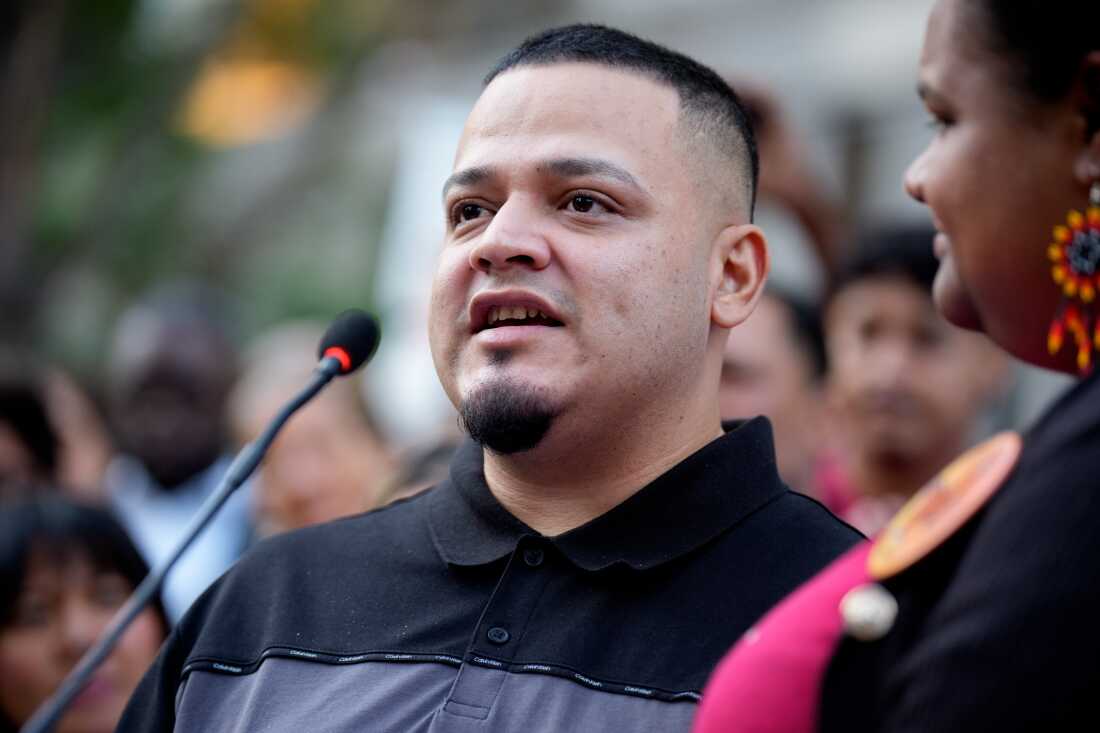
Only now — midway through the unfolding legal battle — has the public been reminded exactly who this case revolves around: Kilmar Abrego Garcia, a Salvadoran national whose alleged criminal history has fueled intense debate about border enforcement and judicial discretion.
Police reports and federal filings have linked Abrego Garcia to MS-13 activity, human trafficking routes, and domestic violence incidents, including accusations that he beat his wife. While his attorneys argue that he was improperly removed from the country in the first place and deserves due process, federal officials maintain that the risks surrounding him are too severe to ignore.

A Judge at Odds With Federal Enforcement
In her Thursday ruling, Judge Xinis condemned how authorities managed Abrego Garcia’s removal and return, again calling his earlier detention in El Salvador “wrongful.” She stated that the government’s actions justified immediate release and demanded full transparency in how it is executed.
ABC News reported that Xinis had already blocked the government from deporting him again until his ongoing habeas case is fully resolved—a process that could take months or longer.
Democratic lawmakers, especially Sen. Chris Van Hollen of Maryland, have strongly advocated for him. Van Hollen even traveled to El Salvador earlier this year to meet with him and argue that he was unlawfully removed by the Trump administration. Those calls, however, have grown quieter as allegations about gang affiliation, trafficking activity, and domestic abuse gained traction.
Concerns About Secrecy and Public Safety
The ruling has renewed criticism from legal analysts and immigration-enforcement supporters, many of whom say the court is creating an uneven playing field that prioritizes the rights of potentially dangerous individuals over community safety.
Critics question why a man with such a record—one repeatedly flagged by local police, state authorities, and federal agencies—is being released into the country at all, much less with judicial protection against immediate deportation or detention.
Others argue that this is yet another example of how judicial decisions, particularly those coming from Obama-era appointees, complicate the Trump administration’s attempts to enforce immigration law uniformly.
A Case Far From Over
For now, the government must proceed with the release as ordered. Prosecutors have not confirmed whether they will appeal or seek an emergency stay.
Judge Xinis herself acknowledged that the case is “extraordinary,” remarking that only essential facts were included in her public order due to the unusual nature of the proceedings.
The next stage in the legal process remains uncertain. The habeas challenge unresolved, the federal charges pending in Tennessee still exist, and questions over public safety continue to dominate public discussion.
What is clear is that the case of Kilmar Abrego Garcia—once obscure and largely unnoticed—has evolved into a high-profile flashpoint over immigration enforcement, judicial power, and the limits of executive authority.
And as the public digests the implications of Thursday’s ruling, the national debate over how the United States handles violent offenders who enter the country illegally is now louder than ever.

Emily Johnson is a critically acclaimed essayist and novelist known for her thought-provoking works centered on feminism, women’s rights, and modern relationships. Born and raised in Portland, Oregon, Emily grew up with a deep love of books, often spending her afternoons at her local library. She went on to study literature and gender studies at UCLA, where she became deeply involved in activism and began publishing essays in campus journals. Her debut essay collection, Voices Unbound, struck a chord with readers nationwide for its fearless exploration of gender dynamics, identity, and the challenges faced by women in contemporary society. Emily later transitioned into fiction, writing novels that balance compelling storytelling with social commentary. Her protagonists are often strong, multidimensional women navigating love, ambition, and the struggles of everyday life, making her a favorite among readers who crave authentic, relatable narratives. Critics praise her ability to merge personal intimacy with universal themes. Off the page, Emily is an advocate for women in publishing, leading workshops that encourage young female writers to embrace their voices. She lives in Seattle with her partner and two rescue cats, where she continues to write, teach, and inspire a new generation of storytellers.