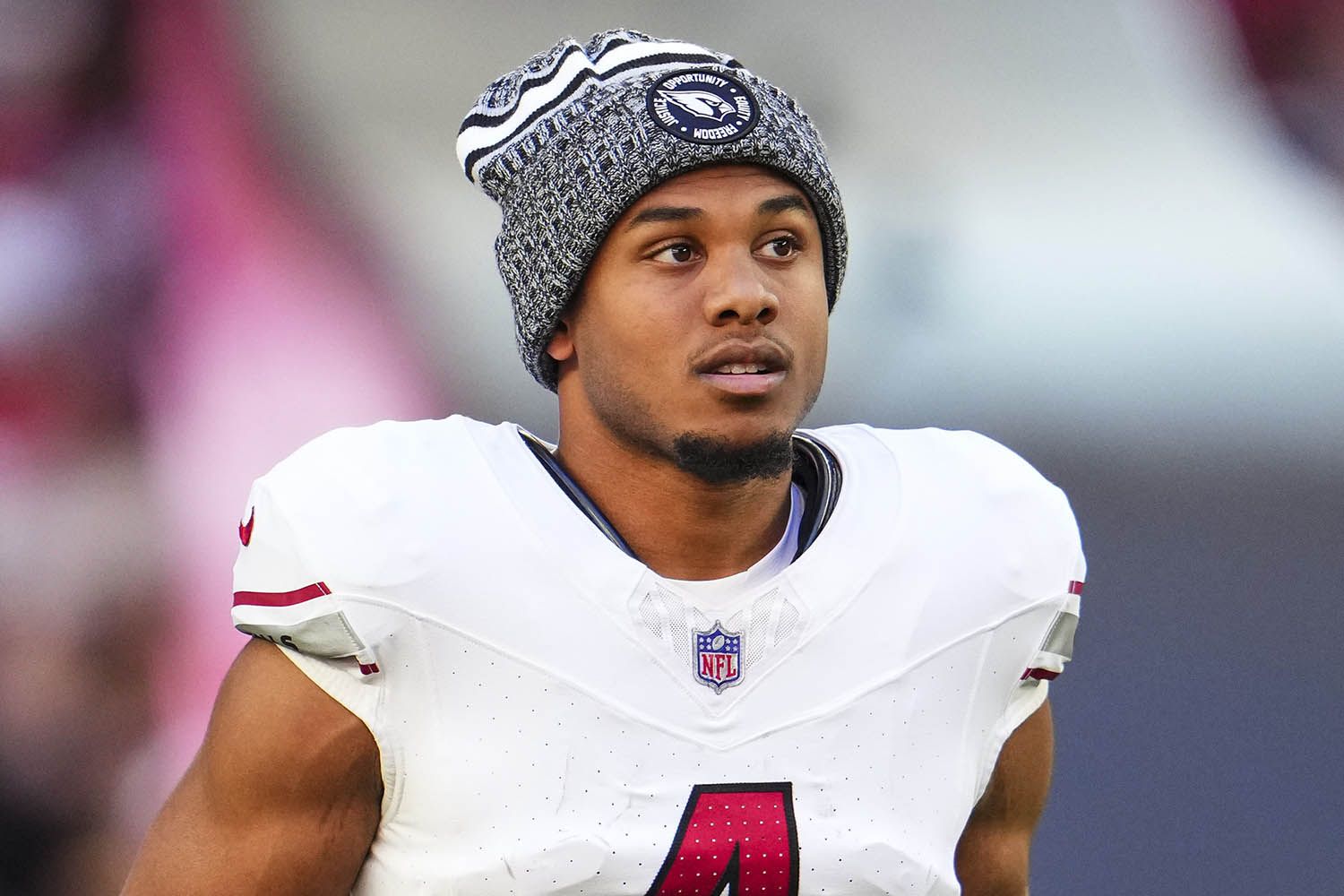
The sudden death of a young professional athlete has sent shockwaves through the football world and his hometown community, leaving teammates, coaches, and fans grappling with grief and unanswered questions. Authorities confirmed that the wide receiver, who had recently joined the Minnesota Vikings, was found deceased at a residence in New Albany, Indiana, on Saturday. He was 25 years old.
Local law enforcement responded to the scene after receiving a call and discovered the player in a garage on the property. Officials have since stated that an investigation was opened immediately, with an autopsy scheduled shortly afterward to formally determine the cause of death. According to the local police chief, early findings indicate the death is believed to be the result of a self-inflicted gunshot wound.
The loss has reverberated deeply throughout the organization and the broader National Football League community. In a public statement released shortly after the news emerged, the Vikings expressed their profound sorrow and extended condolences to the player’s family, emphasizing their commitment to supporting those closest to him.
The team also confirmed that it has begun providing counseling and mental health support services to players, coaches, and staff members in the wake of the tragedy. Such measures, increasingly standard in professional sports environments, reflect the emotional toll incidents like this can have on tightly connected locker rooms and team communities.
Although his tenure with the Vikings was brief, those who worked with him described him as someone who left a lasting impression. Head coach Kevin O’Connell spoke publicly about the young athlete’s character, calling him humble, respectful, and deeply connected to his roots in Indiana. He also praised the player’s resilience, noting that injuries had repeatedly interrupted his progress, yet he remained disciplined and determined throughout his career.
The wide receiver’s professional journey began with significant promise. He entered the NFL as a second-round selection in the 2021 draft, chosen by the Arizona Cardinals following an exceptional college career. At Purdue University, he established himself as one of the most dynamic offensive weapons in college football, recording 114 receptions for 1,258 yards and 12 touchdowns during his time with the program. His combination of speed, agility, and playmaking ability made him one of the most highly regarded prospects in his draft class.
During his first three seasons in the league, he played a total of 39 games, contributing both as a receiver and return specialist. His versatility and explosiveness made him a valuable asset, even as he worked to develop consistency at the professional level.
In March 2024, he was traded to the Atlanta Falcons, a move that was expected to provide a fresh start and expanded opportunities. However, his momentum was halted when he suffered a serious knee injury during training camp, forcing him to miss the entire 2024 season. The setback marked a turning point, as he was unable to showcase his abilities during a critical period in his young career.
The following year, in March 2025, he signed a one-year contract with the Minnesota Vikings, aiming to revive his trajectory. Unfortunately, misfortune struck again when he sustained another knee injury, sidelining him for a second consecutive season. Despite these challenges, those around him often noted his persistence and positive attitude, even while facing repeated adversity.
Teammates and former colleagues from across the league quickly expressed their condolences and shared memories following the announcement of his death. Among them was former Cardinals teammate J.J. Watt, who wrote an emotional message on social media, reflecting on the young player’s character and the promise he still held. His tribute echoed a sentiment widely shared throughout the league: that the loss came far too soon for someone who had so much potential both on and off the field.
Beyond the professional sphere, the news has deeply affected the community of New Albany, where the athlete grew up and maintained close ties. Friends, neighbors, and local supporters have expressed sorrow and disbelief, remembering him not only as a rising sports figure but also as a person who remained grounded and connected to his hometown.
As investigators continue to finalize official findings, the focus for many has shifted toward honoring his life and supporting those affected by his passing. The Vikings organization reiterated that it will remain in close contact with his family, offering any assistance needed during this difficult period.
The tragedy has also renewed conversations within the sports world about mental health, injury recovery, and the pressures faced by professional athletes, particularly those dealing with repeated setbacks. While professional sports provide visibility, opportunity, and success, they can also bring intense scrutiny, physical strain, and emotional challenges that are often less visible to the public.
For teammates who shared locker rooms and practices with him, the loss is personal and immediate. The structure of a professional team environment fosters close relationships built on shared goals, daily routines, and collective ambition. When one member is lost, the impact extends far beyond statistics or rosters—it affects the emotional fabric of the group.
In the coming days and weeks, tributes are expected from across the league, including moments of silence, commemorative messages, and gestures of remembrance. These acts serve not only to honor the individual but also to remind fans and fellow players of the human stories behind the sport.
For now, the priority remains supporting those closest to him—family members, friends, teammates, and coaches—as they navigate an immense and unexpected loss. His journey, though brief, left a meaningful imprint on those who knew him and those who watched him play, and his memory will continue to resonate throughout the communities he touched.

James Jenkins is a celebrated Pulitzer Prize-winning author whose work has reshaped the way readers think about social justice and human rights in America. Raised in Atlanta, Georgia, James grew up in a community that instilled in him both resilience and a strong sense of responsibility toward others. After studying political science and creative writing at Howard University, he worked as a journalist covering civil rights issues before dedicating himself fully to fiction. His novels are known for their sharp, empathetic portraits of marginalized communities and for weaving personal stories with broader political realities. Jenkins’s breakout novel, Shadows of Freedom, won national acclaim for its unflinching look at systemic inequality, while his more recent works explore themes of identity, resilience, and the fight for dignity in the face of oppression. Beyond his novels, James is an active public speaker, lecturing at universities and participating in nonprofit initiatives that support literacy and community empowerment. He believes that storytelling is a way to preserve history and inspire change. When not writing, James enjoys jazz music, mentoring young writers, and traveling with his family to explore cultures and stories around the world.