
NOTE: PHOTO AT THE END OF THE ARTICLE.
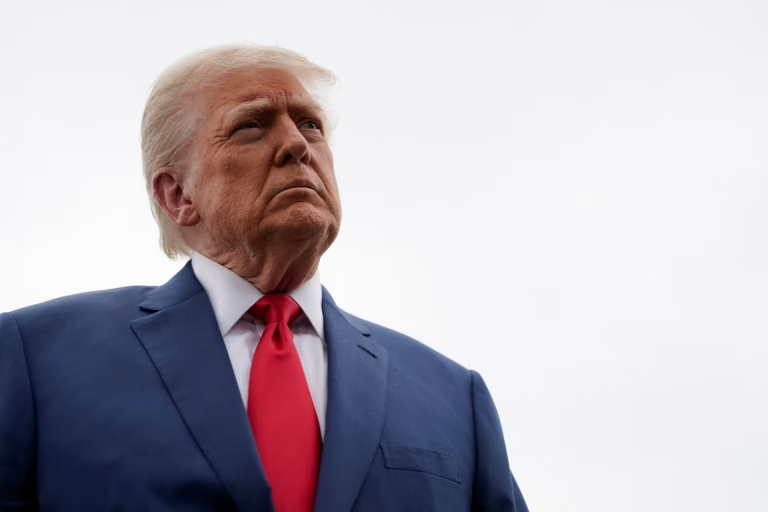
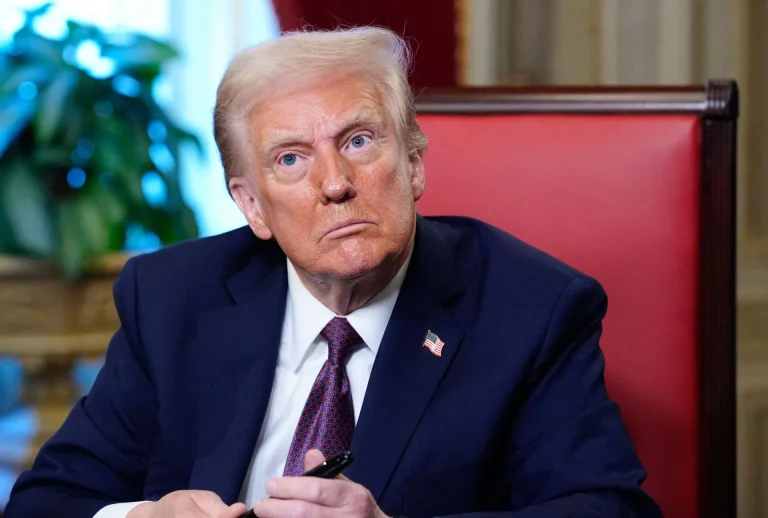
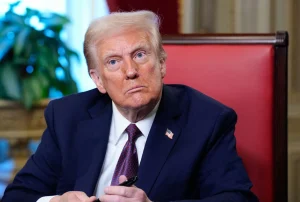
A newly released photo of President Donald Trump has ignited a wave of conspiracy theories online, reviving speculation surrounding the 2024 assassination attempt that nearly claimed his life.
The image, posted by the White House on Saturday (June 21), shows Trump in profile, wearing his signature red MAGA hat. But it’s not the hat that’s drawing attention—it’s his right ear, the same one reportedly injured during the attempted shooting last year.
In July 2024, while campaigning against then-Democratic nominee Kamala Harris in Pennsylvania, Trump was shot at during a public rally in Butler. The gunman, 20-year-old Thomas Matthew Crooks, opened fire from a rooftop using an AR-15-style rifle. Of the eight shots fired, one struck Trump, reportedly grazing his right ear.
Though Trump survived with a minor injury, the incident turned deadly for others: two audience members were critically wounded, and a third, firefighter Cory Comperatore, tragically died at the scene. Crooks was immediately neutralized by Secret Service agents.
At the time, the shooting was widely covered across global media, with video footage and eyewitness accounts reinforcing the narrative. But since then, some corners of the internet have questioned the official story.
Now, with the release of this new photo, conspiracy theorists are claiming the absence of any visible damage or scarring on Trump’s ear is “proof” the shooting was staged.
“Isn’t this the ear that apparently took a bullet?” one user posted on X (formerly Twitter), attaching a zoomed-in image of Trump’s ear.
“Trump should forget the Nobel Peace Prize and go for the Nobel Prize in Physiology or Medicine for naturally regrowing an ear. It’s never been done before,” another sarcastically commented.
A more serious user claimed: “There is absolutely nothing to see on Trump’s ear now. No scar, nothing. That is really impossible and therefore totally unbelievable. Staged!”
Others joined the chorus, saying the ear looked “perfect,” “undamaged,” and “too good to be true.”
However, not everyone is buying the theory. Many social media users pushed back, pointing to overwhelming evidence and eyewitness accounts of the event.
“How exactly was it faked in an outdoor setting with thousands of witnesses and dozens of cameras?” one user fired back. “One of those cameras even picked up the bullet mid-air.”
Another added, “This man nearly lost his life. A firefighter did lose his. Spreading nonsense like this is not just dumb—it’s disrespectful.”
As conspiracy theories continue to swirl, the debate online shows no signs of slowing down. But whether the speculation holds any weight or not, one thing is clear: even a single image can reopen old wounds and reignite fierce controversy.
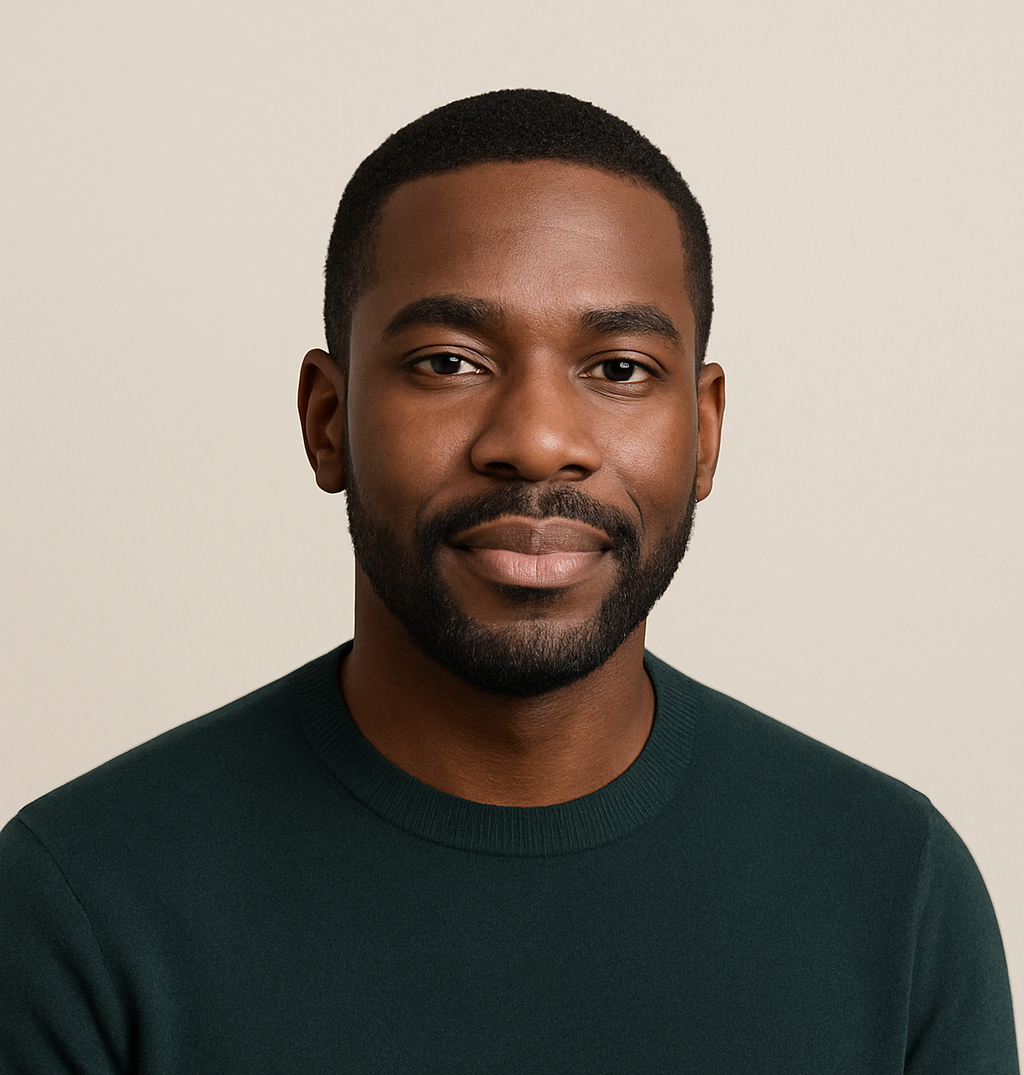
James Jenkins is a celebrated Pulitzer Prize-winning author whose work has reshaped the way readers think about social justice and human rights in America. Raised in Atlanta, Georgia, James grew up in a community that instilled in him both resilience and a strong sense of responsibility toward others. After studying political science and creative writing at Howard University, he worked as a journalist covering civil rights issues before dedicating himself fully to fiction. His novels are known for their sharp, empathetic portraits of marginalized communities and for weaving personal stories with broader political realities. Jenkins’s breakout novel, Shadows of Freedom, won national acclaim for its unflinching look at systemic inequality, while his more recent works explore themes of identity, resilience, and the fight for dignity in the face of oppression. Beyond his novels, James is an active public speaker, lecturing at universities and participating in nonprofit initiatives that support literacy and community empowerment. He believes that storytelling is a way to preserve history and inspire change. When not writing, James enjoys jazz music, mentoring young writers, and traveling with his family to explore cultures and stories around the world.