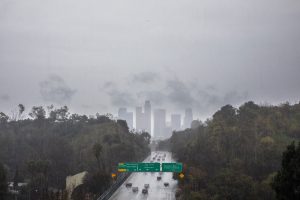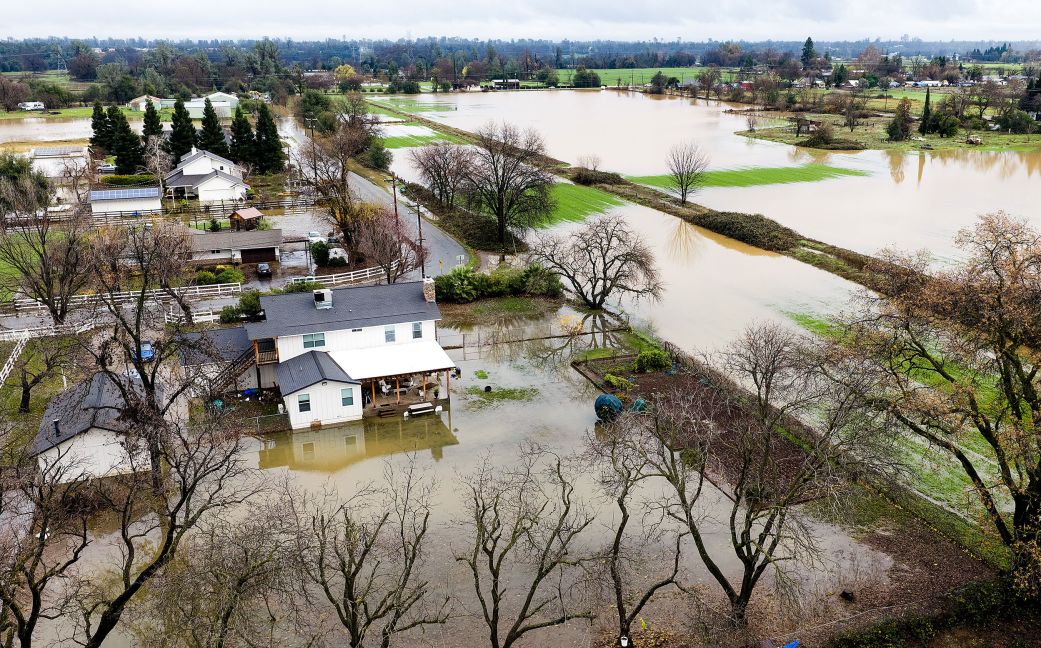
California is bracing for another round of dangerous weather as fresh storms line up offshore, threatening to dump several more inches of rain on regions already battered by flooding, road washouts, and emergency rescues.
After days of relentless rainfall that inundated communities, overwhelmed drainage systems, and claimed at least one life, state and local officials are now warning that the situation could worsen before it improves. With saturated ground, swollen rivers, and burn-scarred hillsides across much of the state, even moderate additional rainfall carries the potential for serious consequences.
Evacuation warnings were issued Tuesday for several vulnerable areas, particularly communities near recent wildfire burn scars, where the risk of mudslides and debris flows is significantly higher.
A State Already at the Breaking Point
The latest forecast comes at a precarious moment. Over the past week, large portions of Northern and Central California have endured extensive flooding triggered by a series of atmospheric river systems—long, narrow bands of moisture that funnel warm, tropical air toward the West Coast.
These storms dropped between three and six inches of rain in some areas over a short period, inundating roads, trapping motorists, and forcing water rescues from homes and vehicles. Emergency crews in multiple counties worked around the clock to respond to distress calls as creeks overflowed and urban drainage systems failed under the volume of water.
Officials confirmed at least one fatality linked to the flooding, underscoring the life-threatening nature of the storms.
Now, meteorologists warn that the ground across much of the region is so saturated that it has little capacity left to absorb additional rainfall. As a result, runoff is expected to increase rapidly, raising the likelihood of flash flooding even in areas that avoided the worst of the earlier storms.
Evacuation Warnings Focus on Burn Scar Zones
Among the most concerning developments are evacuation warnings for areas affected by recent wildfires. When vegetation is stripped away by fire, hillsides lose their natural ability to absorb rainfall. What would normally soak into the soil instead rushes downhill, carrying rocks, ash, and debris with it.
Authorities emphasized that these debris flows can occur with little warning and move with devastating speed, posing a severe threat to life and property.
Residents in evacuation warning zones are being urged to prepare go-bags, monitor local alerts, and be ready to leave quickly if conditions deteriorate. Officials stressed that evacuation warnings may be upgraded to mandatory orders if rainfall intensifies or ground movement is detected.
“This is not the time to wait and see,” emergency managers said. “If you live near a burn scar or in a low-lying area, you need to be prepared to move immediately.”
Flood Watches Stretch Across Central California
The National Weather Service has placed much of Central California under a flood watch through Friday, with forecasters predicting several more inches of rain in some regions.
The northern Sierra Nevada is expected to receive up to five inches of additional rainfall by midweek, while lower elevations could see steady downpours that exacerbate river flooding and urban runoff.
Meteorologists warned that while rainfall totals may vary by location, the cumulative impact is what makes this system particularly dangerous. Rivers, creeks, and reservoirs are already running high, leaving little margin for error.
Snow levels are also expected to fluctuate as warmer air pushes inland, raising concerns that rain-on-snow conditions could accelerate runoff in mountain regions.
Roads, Travel, and Public Safety Concerns
State and local officials are strongly urging residents to avoid unnecessary travel during the storms. Flooded roadways remain one of the leading causes of storm-related deaths, as drivers underestimate the power of moving water.
Even shallow flooding can sweep vehicles off the road, particularly at night or in areas where water obscures road damage.
“Turn around, don’t drown” remains the core message from emergency responders, who continue to report motorists attempting to drive through flooded intersections and rural roads.
In previous storms, emergency crews rescued stranded drivers from rapidly rising waters, sometimes at great personal risk. Officials stressed that every rescue puts first responders in harm’s way and diverts resources from other emergencies.
Public transit agencies are also monitoring conditions closely, with some routes experiencing delays or temporary closures due to flooding, debris, or damaged infrastructure.
Atmospheric Rivers: A Growing Threat
The storms threatening California are part of a broader pattern that scientists say is becoming more intense due to warming ocean temperatures.
Atmospheric rivers have long been a natural part of California’s climate, delivering much of the state’s annual precipitation. However, research shows that warmer air can hold more moisture, increasing the potential for heavier rainfall when these systems make landfall.
In recent weeks, similar weather patterns have caused historic flooding in other parts of the country, highlighting the growing challenge of managing extreme weather events.
While California desperately needs water after years of drought, officials warn that the current storms are delivering precipitation too quickly to be safely absorbed or stored.
Emergency Services Under Strain
Emergency response agencies across the state are preparing for another surge in calls as the next storm system arrives. Fire departments, sheriff’s offices, and public works crews are coordinating to clear storm drains, reinforce levees, and pre-position rescue equipment.
Shelters are being identified in case evacuations expand, and utility companies are on alert for potential power outages caused by downed trees and flooded substations.
Officials emphasized that residents should not rely solely on emergency services for last-minute assistance and should take personal responsibility for preparation.
That includes securing loose outdoor items, clearing drains near homes, stocking emergency supplies, and checking on elderly or vulnerable neighbors.
A Delicate Balance Between Relief and Risk
The storms come during a busy holiday travel period, adding another layer of complexity for families hoping to reach loved ones. Authorities are advising travelers to monitor weather conditions closely and to delay trips if necessary.
For farmers and water managers, the rainfall offers both relief and concern. While reservoirs have risen significantly, excessive runoff threatens agricultural land, livestock, and infrastructure critical to the state’s food supply.
Water officials note that managing these extremes—swinging from drought to deluge—is becoming one of California’s most pressing long-term challenges.
What Comes Next
Forecasters say the pattern remains unsettled, with additional storm systems potentially lining up behind the current one. While exact timing and intensity are still being refined, confidence is high that California is not yet done dealing with hazardous weather.
Officials are urging residents to remain vigilant throughout the week, even during brief breaks in rainfall, as delayed flooding and debris flows can occur hours after storms pass.
“This is a marathon, not a sprint,” one emergency official said. “Just because it stops raining for a few hours doesn’t mean the danger is over.”
As California braces for what could be another difficult week, the message from authorities is clear: preparation, caution, and patience will be critical in the days ahead.

Emily Johnson is a critically acclaimed essayist and novelist known for her thought-provoking works centered on feminism, women’s rights, and modern relationships. Born and raised in Portland, Oregon, Emily grew up with a deep love of books, often spending her afternoons at her local library. She went on to study literature and gender studies at UCLA, where she became deeply involved in activism and began publishing essays in campus journals. Her debut essay collection, Voices Unbound, struck a chord with readers nationwide for its fearless exploration of gender dynamics, identity, and the challenges faced by women in contemporary society. Emily later transitioned into fiction, writing novels that balance compelling storytelling with social commentary. Her protagonists are often strong, multidimensional women navigating love, ambition, and the struggles of everyday life, making her a favorite among readers who crave authentic, relatable narratives. Critics praise her ability to merge personal intimacy with universal themes. Off the page, Emily is an advocate for women in publishing, leading workshops that encourage young female writers to embrace their voices. She lives in Seattle with her partner and two rescue cats, where she continues to write, teach, and inspire a new generation of storytellers.